Let's talk about the first time nothing happens
You unbox a new lemon vibrator. You get to it alone, or with a partner. You turn it on. And then... nothing. No rush. No pleasure wave. Maybe a weird numb feeling, or it feels like someone's tapping your elbow. You're left wondering if you got a dud, if your body's broken, or if everyone else on the internet is lying about their orgasms.
None of those things are true. What's actually happening is your nervous system is meeting a new sensation for the first time, and it needs time to decode what to do with it.
Why your body doesn't recognize the sensation immediately
Your clitoris has about 8,000 nerve endings. They're wired to respond to specific kinds of touch: friction, pressure, vibration at certain frequencies, directional movement. When you introduce a lemon vibrator for the first time, your nervous system has to figure out the pattern.
That's not instant. It takes anywhere from a few minutes to several sessions before your body says "oh, I get this now" and starts responding.
Here's the neurological piece: your brain is mapping sensory input in real time. It's asking questions like "Is this consistent or variable?" "Does it hurt or feel good?" "Should I engage with this or protect myself?" This happens without you thinking about it, but it absolutely happens. And if your nervous system decides it's uncertain, it'll stay in neutral until the pattern becomes clear.
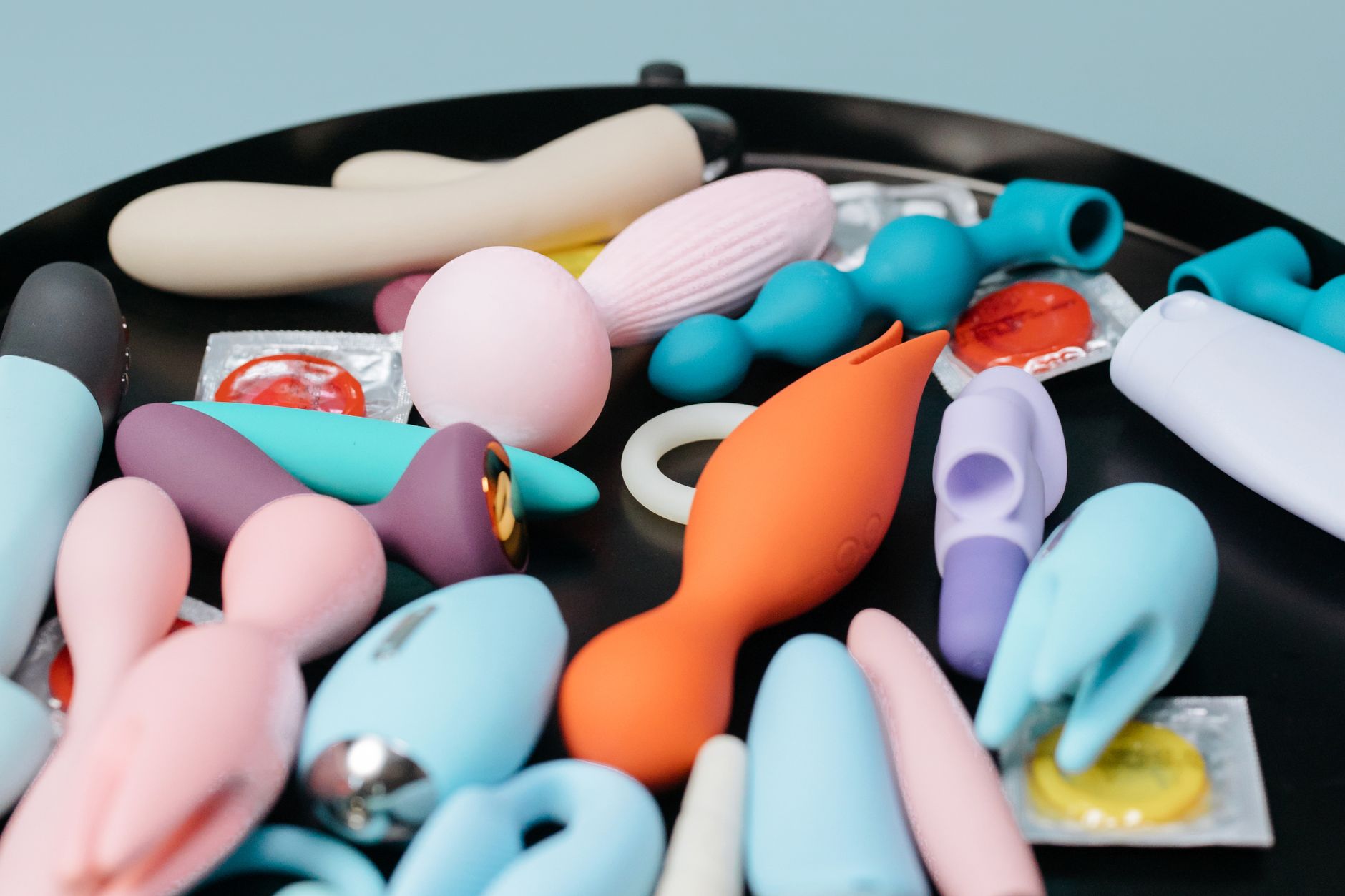
Photo by cottonbro studio on Pexels
The mental component is huge, and no one talks about it
You bring expectations into the moment. Maybe you've had great orgasms before and expect lemon vibrators to be similar. Maybe you've heard hype and expect fireworks. Maybe you're nervous because you've never used a toy and you're worried about "doing it wrong."
That mental noise is a genuine barrier. Your brain can't simultaneously relax into sensation and monitor whether you're doing this correctly. The moment you shift into self-evaluation mode ("Is this working? Should it feel different? Am I using this right?"), you pull attention away from actual sensation.
And here's the part that matters: this is completely fixable. It just requires knowing it's happening.
Why intensity settings work against you at first
The strongest pattern on a lemon clitoral vibrator feels overwhelming when you're new to the toy. It's like turning the volume to 10 on a song you've never heard before. Your nervous system hits the gas and then immediately brakes because it's too much too fast.
The sweet spot for first-time use is usually patterns 2 or 3, at lower intensity. This gives your body room to register the sensation without flooding your nervous system. You're looking for the intensity where you can feel the vibration clearly but still think clearly. Once your body gets it, you can experiment with higher settings.
Most people skip this step because they assume higher intensity equals faster results. It doesn't. It usually just means faster frustration.
The positioning piece everyone gets wrong
Lemon vibrators work best with direct contact on the clitoris or very close to it. But "direct" is different for every person. Some people need the toy slightly to the side. Some need it angled differently. Some need lighter contact than they think.
This is why positioning takes time. You're not just turning on a toy. You're having a conversation with your body about where it actually wants the stimulation. That conversation can't be rushed.
Spend the first session just moving the toy around slowly at low intensity. Map out where feels good, where feels neutral, where feels uncomfortable. This isn't wasted time. This is foundational information you'll use every single time you use a toy going forward.
Lubrication matters more than most people realize
The tissue around your clitoris benefits from moisture, even if you produce natural lubrication. Water-based lube creates a better glide and helps the vibration transmit more cleanly to nerve endings. Without it, the sensation can feel muted or unpleasant.
If your first session felt numb or dull, lube might be the missing piece. Add a little water-based lubricant and try again. You might be shocked at how much it changes the sensation.
Patience isn't weakness. It's the actual path forward
Honestly, the people who have the best relationship with lemon vibrators are the ones who treat the first few sessions like exploration, not a test. No goal. No outcome required. Just "I'm going to spend 10 minutes seeing what this feels like."
When you remove the pressure to orgasm, you can actually notice what's happening. You might find that the sensation builds slowly over several minutes. You might find that one pattern feels better than others. You might find that the toy works better at a different time of your cycle, or with a partner present, or alone.
All of this information is valuable. And you only get it if you're willing to be patient.
The first time is almost never the magic time
I tell my clients this directly: expect the third or fourth session to be where things start shifting. By that point, your nervous system has mapped the sensation. Your expectations have calmed down. Your body knows what to expect.
That's when the real learning begins. That's when you find your rhythm. And that's when you start to understand why people (not just online, but in real conversations) talk about why lemon vibrators work better for stronger orgasms. They're not lying. They've just gotten past the first session.
If you're stuck after three or four tries, check the basics: intensity setting (go lower), lubrication (add more), positioning (move it around), and mindset (let go of the outcome). Usually one of those four fixes it.
What actually helps during that learning curve
Three concrete things:
Start with manual stimulation first. Spend a few minutes with just your hands or fingers. Get aroused. Let your body warm up. Then introduce the toy. Why lemon vibrators feel better after using manual stimulation is actually about nerve priming. Your nervous system is already warmed up and ready to recognize a new input.
Use a timer and stop before you're frustrated. Give yourself 15-20 minutes max on the first session. If nothing's happening, that's fine. End on a neutral note, not a frustrated one. Your nervous system learns from that boundary.
Talk to a partner if you have one. Sometimes the mental piece shifts when there's a second person in the room, even if they're just present and not directly involved. It can take the pressure off performance. If you're coupled up and want to explore this together, there are real advantages to that framing.
Sensitivity issues are different from a learning curve
If the sensation feels painful rather than just odd, or if the vibration feels like pins and needles rather than vibration, you might have tissue sensitivity that needs a different approach. How to choose a clitoral vibrator if you have sensitive tissue covers this specifically, and it's worth reading before assuming you're "bad at vibrators."
Most people who think they're sensitive to vibration are actually just using the wrong intensity or the wrong toy design. But some people genuinely need softer, broader stimulation. That's not a failure. That's information.
The real timeline for comfort
Week one: discovery. Your body is learning what vibration feels like.
Week two: comfort. The sensation is familiar now. You might start noticing preference between patterns.
Week three and beyond: integration. You know what you like, and the toy becomes a tool you use confidently.
That's normal. That's how bodies work. If you're still in week one and feeling discouraged, remember that literally everyone who uses lemon vibrators successfully went through this exact phase.
FAQ: Common questions about why it's not working yet
Why does a lemon vibrator feel numb the first time?
Your nervous system is in assessment mode, not pleasure mode. The sensation needs to be familiar enough that your body stops wondering what it is and starts responding to it. This usually takes 2-4 sessions. Adding lubrication and lowering the intensity setting can speed this up because the sensation becomes clearer, which your body can recognize faster.
Can I use a lemon vibrator if I've never had an orgasm?
Yes. A toy doesn't require past experience with orgasm to work. What it does require is patience with your body. If you've never orgasmed before, you're learning two things at once: how your body works, and how this specific toy works. Give yourself permission for that to take time. Best lemon clitoral vibrator for beginners over 30 has guidance specifically for first-time users.
Should I be using the highest intensity setting?
Almost never on the first try. Higher intensity doesn't mean faster results. It usually means your nervous system gets overwhelmed before it can register what's happening. Start at pattern 1 or 2, let your body adjust, then experiment higher. You'll actually get better results this way.
Does it matter if I'm with a partner or alone?
It can. Being alone removes the social pressure of performing, which helps some people relax. Being with a partner can add comfort or remove performance anxiety, depending on the relationship. There's no wrong choice. How to use a lemon vibrator with your partner during sex walks through the partner scenario specifically.
How many times should I try before deciding it's not for me?
Give yourself at least three sessions with the basics locked in: low intensity, lubrication, and no pressure to orgasm. If after three sessions it still feels completely wrong, it might genuinely not be your tool. But most of the time, the third session is when things shift.
Is there something wrong with me if it takes this long?
No. Your nervous system is working exactly as designed. It's protective and cautious with new sensations. That's a feature, not a bug. Every person who's ever had success with a lemon vibrator went through this phase. You're not slow. You're not broken. You're learning.
The actual next step
If you're still struggling after a few attempts, reach out. Understanding your body is the foundation of everything else. Contact Hello Nancy and let's talk through what's happening. Sometimes it's a simple fix. Sometimes it's just hearing that you're not alone in the confusion.
Your pleasure isn't on a deadline. It's worth taking time to get right.