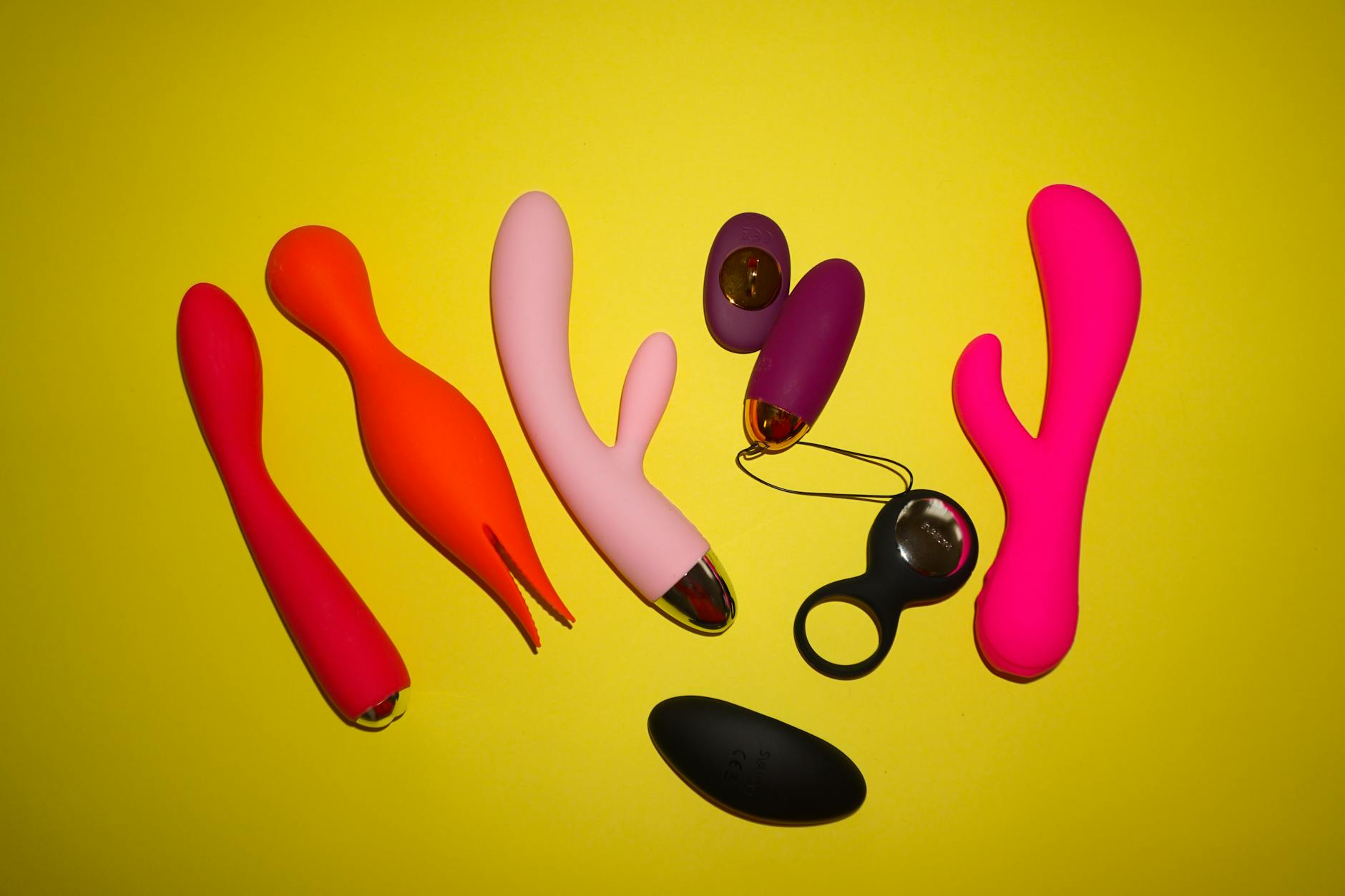
The honest conversation nobody's having
Your antidepressant might have saved your life. It also might have made orgasm feel like trying to win a lottery you're not even sure you're still playing in. Both things are true.
Sensation changes on SSRIs and other antidepressants aren't a sign that you're broken or that the medication is wrong. They're a predictable side effect that roughly 40 to 50 percent of people on these medications experience to some degree. But here's what nobody tells you: sensation can absolutely return or adapt with the right approach and the right tools. Lemon vibrators, specifically, work differently than other adult toys when you're navigating this particular shift.
What antidepressants actually do to pleasure
Let's start with the neuroscience without the jargon. Antidepressants increase serotonin availability in your brain. That's great for mood regulation, anxiety, and breaking depressive cycles. But serotonin also plays a gate-keeping role in sexual response. Higher serotonin can dampen the dopamine and norepinephrine surge that normally drives arousal and orgasm.
The result isn't always a total flatline. What people usually report is one or more of these shifts:
- Arousal takes longer to build, or feels muted when it does
- Sensation at the clitoris feels numb, distant, or requires harder pressure than before
- Orgasm is harder to reach, or the intensity feels diluted
- Desire itself dips, though that often rebounds over time
The tricky part is that not everyone experiences all of these, and they don't always happen at the same dose level. Some people adapt after 3 months. Others find their baseline shifts permanently but workably. The point is your body isn't malfunctioning. It's running on new neurochemistry.
Why lemon vibrators adapt better than other options
Here's where it gets practical. A standard vibrator applies direct, consistent vibration to the clitoris. That works great when sensation is at baseline. When sensation is muted, you hit a problem: you can either push harder (which becomes uncomfortable on sensitive tissue) or accept that the toy isn't delivering the stimulation you need.
Lemon vibrators use a different mechanism. They combine targeted vibration with suction and pulsing patterns that work with your nervous system rather than trying to overwhelm it. This matters because:
Suction engages different nerve pathways than direct vibration alone. When clitoral sensation is dulled, suction can activate deeper sensory receptors that vibration alone might miss. You're not forcing harder pressure. You're accessing sensation through a different route.
Variable patterns offer micro-adjustments. Many lemon vibrators have 5 to 10 distinct patterns. This flexibility lets you find the exact cadence that resonates with your current sensitivity, rather than gambling on a single vibration frequency.
Intensity ramps gradually. Most lemon clitoral vibrators start at lower intensities and build. That's a game-changer when your baseline is lower. You're not starting from "too intense" and working backward.
The clinical observation? People on antidepressants often report that lemon vibrators feel more effective than standard vibrators precisely because the suction component bypasses some of the serotonin-related numbness at the nerve ending level.
Timeline and what to expect
If you just started an antidepressant or increased your dose, don't expect sensation to return in week one. Most people see the biggest shift in weeks 3 to 8, though some experience changes much later.
Here's a rough roadmap:
Weeks 1-2. Sensation often feels distant or absent. This is normal. Don't blame yourself or the toy.
Weeks 3-8. Your body adapts. Some sensation typically returns, though it may be different from baseline. This is when experimenting with different lemon vibrator patterns becomes useful.
Weeks 9-12. For many people, pleasure stabilizes at a new set point. That point might be 90 percent of your pre-medication baseline, or it might be 110 percent. Both are fine.
Beyond 12 weeks. If sensation remains significantly dulled and nothing has shifted, talk to your prescriber about dose adjustment, timing (some people take their dose at night to sidestep daytime numbness), or switching to a medication with lower sexual side effect profiles.
Dose timing matters more than most people realize. Some medications can be taken in the evening so peak effects happen while you're asleep. Others need to be taken in the morning. Your doctor might have flexibility here that you haven't explored yet.
Building your pleasure confidence back
Here's the part that matters most psychologically. When antidepressants dull sensation, many people spiral into shame or avoidance. "My body isn't responding. Maybe I'm broken. Maybe this is permanent." That story kills arousal faster than the medication ever could.
The truth is less dramatic and more hopeful. Your body is adapting to new neurochemistry. Pleasure is still available. It just requires a different map.
Start with exploration, not performance. Spend time with a lemon vibrator on the lowest setting with zero expectations of orgasm. The goal is sensation mapping. Where can you still feel? What patterns create warmth or interest? What intensity level stops being pleasant and becomes numbing?
Track what's shifting. Keep a simple note about patterns, timing, and what feels different day to day. This isn't clinical. It's practical feedback. Sometimes sensitivity returns in phases. Sometimes it's better on certain days of your cycle. Information removes shame.
Extend your warm-up. Antidepressant-related dullness often responds well to longer foreplay, external stimulation, and relaxation. Budget 20 to 30 minutes instead of expecting fast arousal. Your nervous system needs more runway now, and that's workable.
Rebuild with your partner (if applicable). If you have a partner, the conversation about medication side effects deserves the same attention as any other relationship shift. "My pleasure baseline has shifted. Let's figure this out together" is radically different from shame-spiraling alone.
When to experiment with dose timing or medication changes
Some antidepressants have lower sexual side effect profiles than others. SSRIs like paroxetine and fluoxetine tend to have higher rates of sexual side effects. Bupropion has lower rates. Mirtazapine sometimes actually increases sexual desire. This doesn't mean you should switch medications willy-nilly, but it's a real conversation to have with your prescriber.
Also explore dose timing. If you're on an SSRI taken once daily and you're experiencing significant sensation changes, ask if taking it at night instead of morning makes a difference for your sexual response. Some people find this single adjustment restores enough sensation that lemon vibrators feel noticeably more effective.
If you're several months in and sensation hasn't budged at all, you have options. Talk to your doctor about dose reduction (if your mental health allows), adding a sexual side effect medication like buspirone, or switching to a different class of antidepressant. These conversations matter, and many doctors don't bring them up because they assume patients won't ask.
The non-medication pieces that matter
Antidepressants work best in combination with other things: sleep, movement, stress reduction, and sometimes therapy. If those pieces are shaky, pleasure will be harder to access regardless of which toy you're using.
If you're using an antidepressant specifically for depression or anxiety related to pleasure or sex, therapy alongside medication often unlocks better results faster than medication alone. Many therapists now specialize in sexual concerns related to mental health treatment. It's worth seeking that out.
Movement also matters. Regular exercise improves blood flow to the pelvic region and enhances nervous system flexibility, both of which help when sensation feels muted. Even 20 minutes of walking or yoga a few times a week can shift your baseline.
Sleep and stress are less sexy to talk about, but they're non-negotiable. Chronic sleep deprivation and high stress both suppress sexual response independent of antidepressants. If you're medicating depression while sleeping 5 hours a night and managing constant stress, pleasure will be harder to find. Address those first.
FAQ
Do all antidepressants cause sexual side effects?
No. About 40 to 50 percent of people on SSRIs experience some degree of sexual side effects. Other classes like bupropion have lower rates. Individual variation is huge. One person on sertraline might experience no sexual changes while their partner on the same dose has significant dullness. Genetics, dosage, duration, and other medications all play a role.
Can lemon vibrators really work if I feel completely numb?
Yes, but with patience. Complete numbness usually softens over the first 8 to 12 weeks as your body adapts. In the meantime, lemon clitoral vibrators work better than other options because the suction component can stimulate deeper sensory pathways that direct vibration alone might miss. Start low, extend warm-up time, and focus on sensation exploration rather than orgasm goals.
Should I stop my antidepressant if it's affecting my sex drive?
Not without talking to your prescriber. For many people, the mental health benefits of the medication far outweigh the sexual side effects, and those effects often diminish or stabilize over time. Stopping abruptly can also cause withdrawal symptoms. If the side effects are genuinely intolerable, work with your doctor on alternatives. Stopping solo is risky.
How long does it take for sensation to come back after starting an antidepressant?
It varies widely. Most people see shifts in weeks 3 to 8, but some take 12 weeks or longer. If nothing has changed by week 12, that's worth flagging to your doctor. It doesn't mean the medication is wrong. It might mean dose timing, dose level, or medication choice needs adjustment.
Can I use lemon vibrators while on antidepressants?
Absolutely. Lemon vibrators are actually one of the better options because the suction mechanism works differently than standard vibrators. Start on the lowest setting, take time to explore what feels good at your new baseline, and don't judge yourself for needing different stimulation than you did before medication.
If my partner initiates sex but I still feel numb, what do I tell them?
The truth: "My medication has shifted my sensation. I still want connection with you. Let's slow down and explore what feels good right now." That's not rejection. It's partnership. Many couples find that this adjustment period actually deepens intimacy because it requires real communication instead of assumption.
Moving forward
Antidepressants are powerful tools that often pull people out of dark places. The sexual side effects are real, but they're also workable. Lemon vibrators adapt to your body's new neurochemistry in ways that other toys often can't, and exploring them with patience and without shame can help you rebuild pleasure confidence.
Your medication isn't the enemy of your pleasure. It's a new variable in the equation. You're not broken. You're adjusting. That adjustment has a learning curve, and that's completely normal.
If you're struggling with this shift or want to talk through your specific situation, reach out. You don't have to figure this out alone.