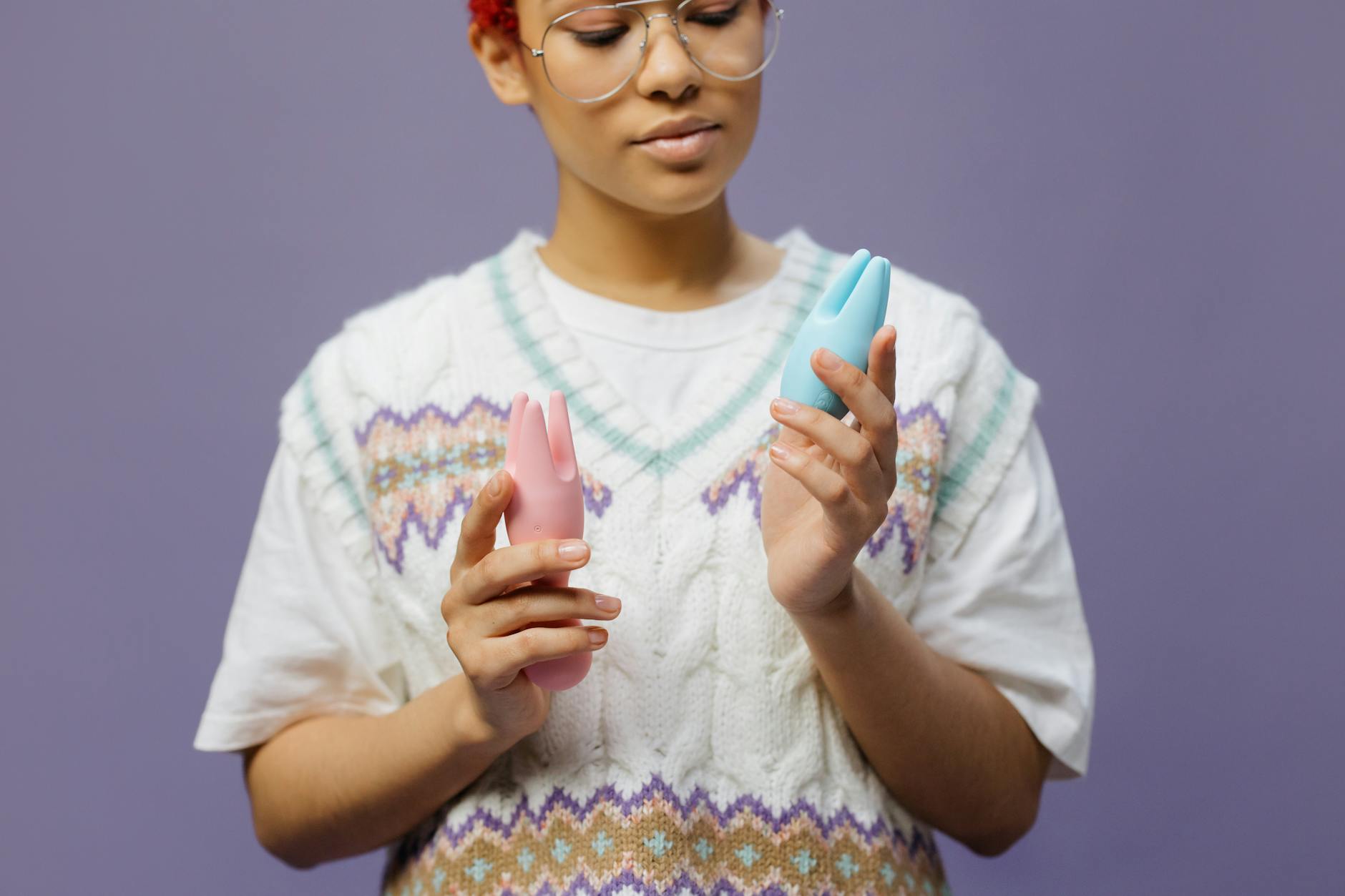
Let's talk about what's actually happening
Your clitoris changes sensitivity throughout your cycle. This is not a problem with your body or with your Lemon vibrator. It's a direct response to estrogen and progesterone fluctuations that shift blood flow, nerve sensitivity, and arousal patterns. Once you understand the pattern, you stop fighting it.
Most people don't realize that clitoral sensation isn't static. It shifts, sometimes dramatically, depending on where you are in your menstrual cycle, whether you're on hormonal birth control, or if you're experiencing perimenopause. The same vibrator that felt perfect last week can feel too intense or not intense enough this week. That's not you being broken. That's biology.
How hormonal shifts change what you feel
Estrogen peaks around ovulation. During this window, blood vessels in the clitoris dilate, tissues swell slightly, and nerve sensitivity increases. You may notice that lemon clitoral vibrators feel more pleasurable, that you reach orgasm faster, and that lower intensity patterns are enough. This is the sweet spot for many people.
After ovulation, progesterone rises. This hormone does the opposite: it constricts blood vessels, reduces clitoral swelling, and numbs sensitivity slightly. Your clitoris doesn't feel "dead," but it does feel less responsive. The same pattern on your Lem vibrator that worked beautifully five days ago might now feel underwhelming.
Right before your period, progesterone peaks, clitoral sensitivity is at its lowest, and some people report that direct contact feels uncomfortable or oversensitive in a way that doesn't feel good. This varies wildly from person to person.
If you're on hormonal birth control, this cycle is muted or absent altogether. Some people with hormonal birth control notice their sensitivity stays relatively flat throughout the month. Others report that certain progestin-dominant pills dull sensation overall, while estrogen-dominant formulations feel different.
The adjustment protocol that actually works
Instead of reaching for the same intensity every time, think of your lemon sexual toys as having multiple "versions" depending on the week. Here's what I recommend to clients:
Week 1 (Post-period, pre-ovulation). Sensitivity is rebuilding. Start with patterns 1-3 on your Lem. Your tissues are still adjusting, and you may need longer warm-up time. Water-based lubricant helps. Don't push for intensity just because you know you can handle it later in the cycle.
Week 2 (Ovulation window). This is when most people feel most responsive. Move up to patterns 3-5. You may find that faster patterns feel good, that you reach orgasm more quickly, and that you can explore patterns you skip during other weeks. This is also when partnered play often feels most connected, if that's relevant for you.
Week 3 (Post-ovulation). Progesterone rises. Stay with patterns 2-4. You may notice that the intensity you loved last week now feels like too much. This is normal. Extend your warm-up time to 15-20 minutes. Your body needs more time to build arousal as progesterone rises.
Week 4 (Pre-period). Sensitivity dips further. Patterns 1-3 work best for most people. Some folks find that direct clitoral stimulation feels uncomfortable and prefer indirect stimulation. If you have a Lemon vibrator, try angling it slightly off to one side rather than direct contact.
Track this for two months. Write down which patterns felt best in which week. You'll start to see your own pattern emerge.
When birth control changes the game
If you've recently started or switched hormonal birth control, your sensitivity baseline may have shifted entirely. Some people report that their clitoris feels duller on certain pills. Others notice heightened sensitivity. Some see no change at all.
If you're on a progestin-only pill or a hormonal IUD that releases progestin, progesterone is your baseline 24/7. You might find that lemon clitoral vibrators require higher intensity patterns than they did before, or that you need significantly longer warm-up time. That's not you losing sensitivity. That's your new hormonal reality.
Give yourself three months on any new birth control before deciding it's affecting your pleasure. Hormones take time to stabilize, and your body's response may shift as your system adjusts.
The perimenopause factor
If you're in perimenopause (the 5-10 years before menopause), hormonal fluctuations become erratic. You might have weeks where sensitivity is wildly heightened, followed by weeks where you feel completely numb. This unpredictability is maddening, but it's temporary.
During perimenopause, flexibility becomes your best tool. Keep your Lem vibrator accessible but don't expect the same response every time. Some weeks, patterns 1-2 will be plenty. Other weeks, you'll want the full intensity. Track it the same way, but expect more variance. Invest in a good water-based lubricant. As estrogen fluctuates, vaginal lubrication becomes less reliable, even if your clitoris feels responsive.
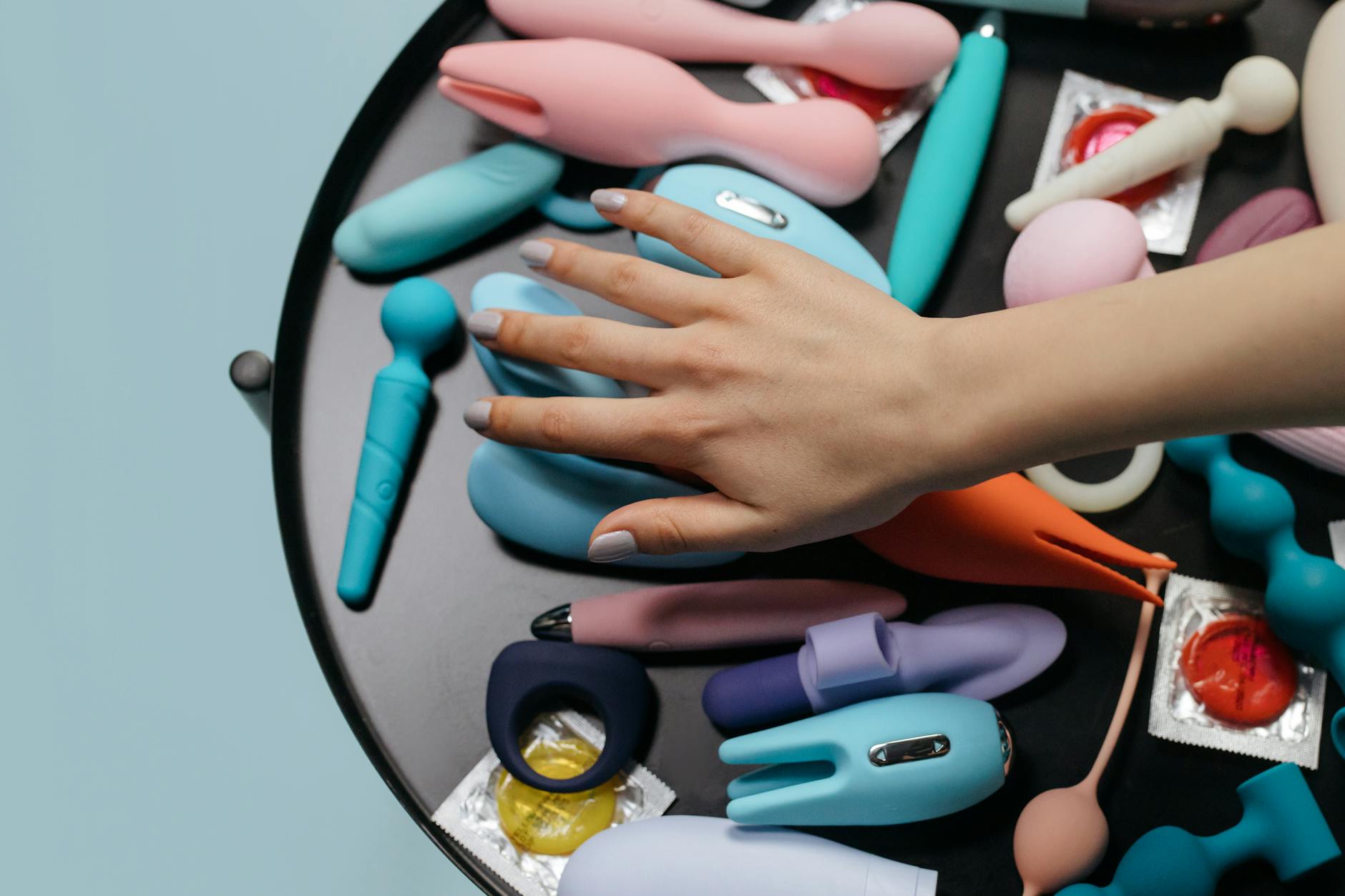
Photo by cottonbro studio on Pexels
What to do when sensitivity feels completely off
Sometimes the fluctuations feel more extreme than just moving between patterns. You might hit a week where your clitoris feels completely numb, or where everything feels painfully oversensitive.
If numbness strikes, take a break from your Lemon vibrator for a few days. Focus on non-vibration touch. Manual stimulation, grinding against a pillow, or just skin-to-skin contact with a partner can help you reconnect to sensation without the overstimulation that vibration might cause. Return to your vibrator when sensitivity returns. It always does.
If oversensitivity is the issue, indirect stimulation is your answer. Instead of placing your Lem vibrator directly on your clitoris, try positioning it over your labia, to the side, or with a thin cloth barrier between the vibrator and your skin. You get the benefits of lemon sexual toys without the overwhelming intensity.
Most important: don't shame yourself for the shifts. Your body isn't broken because it's not consistent. Consistency isn't the goal. Responsiveness to your own changing needs is.
Tracking patterns (without obsession)
I don't recommend obsessive cycle tracking for pleasure, but I do recommend basic notation. Use your phone calendar and add a one-word note after sex or masturbation: "responsive," "numb," "oversensitive," "perfect." After two months, you'll see where the clusters land. You'll know which week typically feels best for partnered play, which week you might need more foreplay, and which week your solo time might look different.
This isn't about controlling your body. It's about respecting it enough to learn its actual language instead of fighting it.
The partner conversation
If you have a partner, this variability matters for both of you. If they don't understand that your responsiveness genuinely changes throughout the month, they might interpret it as waning desire or attraction. That's not what's happening.
Talk about it directly: "My body responds differently at different points in my cycle. That's normal. Some weeks I need more time to warm up. Some weeks I need less intensity. None of that means I'm less interested in you." Most partners find this deeply relieving once they understand it's not about them.
You might also explore how lemon clitoral vibrators fit into partnered sex. Some weeks, you might want to use your Lem vibrator during sex for extra stimulation. Other weeks, you might prefer direct contact without any toy. Both are fine. Different isn't inconsistent.
FAQs
Can hormonal birth control make my clitoris less sensitive to vibrators?
Yes, certain formulations can. Progestin-dominant pills and hormonal IUDs release steady progesterone, which naturally reduces clitoral swelling and blood flow. You might find you need higher intensity patterns on your Lemon vibrator, or longer warm-up time. If this bothers you, discuss alternatives with your gynecologist. Some formulations are more estrogen-forward and produce different results. Give any new birth control three months before deciding it's not working for you.
Is it normal for my sensitivity to change week to week?
Completely normal. Estrogen and progesterone fluctuations are a primary driver of clitoral sensitivity. If you're menstruating, you can almost certainly map your sensitivity shifts to your cycle. If you're on hormonal birth control or in perimenopause, the pattern might be different, but fluctuation itself is normal. Track it for two cycles and you'll see your personal pattern.
Why does my clitoris feel numb right before my period?
Progesterone peaks right before menstruation, and this hormone constricts blood vessels in genital tissue. Less blood flow means less swelling, less nerve activation, and less sensation. It's temporary and doesn't indicate a problem. In a few days, estrogen begins rising again and sensitivity returns. If numbness extends beyond your period or feels painful, mention it to your doctor.
Does perimenopause permanently damage sensitivity?
No. Perimenopause creates erratic hormone levels, which creates erratic sensitivity. Once you reach menopause and hormone levels stabilize (albeit at lower levels), sensitivity stabilizes too. Many people report that post-menopausal sensitivity, while different from their reproductive years, is deeply satisfying. The transition period is unpredictable, but it's not permanent damage.
Should I use a different Lemon vibrator depending on where I am in my cycle?
Not necessarily, but you'll use your existing vibrator differently. One lemon clitoral vibrator at different intensity patterns covers most cycle-related sensitivity shifts. You might keep patterns 1-3 in your rotation during low-sensitivity weeks and move to patterns 4-5 during peak-sensitivity weeks. You don't need multiple toys. You need flexibility within the one you have.
What if my hormonal shifts feel extreme or debilitating?
If sensitivity swings feel severe, affect your quality of life, or include pain, talk to your gynecologist. Extreme sensitivity fluctuations can indicate hormonal imbalance, endometriosis, or other conditions worth investigating. Perimenopause can also create more dramatic swings than a regular cycle. Professional input helps you distinguish between normal variation and something that warrants treatment.
Your clitoris knows what it needs
The goal isn't to force consistent pleasure or pretend your body doesn't change. It's to work with your actual biology instead of against it. Your Lemon vibrator is a tool that works better when you understand what your body is doing and when.
For more on adjusting your approach to vibrators as your body changes, explore how arousal takes longer after hormonal changes. And if you're navigating sensitivity shifts alongside other changes, understanding how your body feels different during your cycle offers additional context.
Your body isn't inconsistent. It's informative. Learn to read it.