
Here's the thing about avoiding the conversation
Your partner won't talk about sex. Maybe they shut down when you try. Maybe they change the subject or make a joke. Maybe the silence just feels easier than risking rejection or judgment. Whatever the pattern, the result is the same: your pleasure gets smaller, quieter, and eventually invisible to both of you.
That's where a lemon clitoral vibrator comes in. Not as a replacement for partnership or communication, but as a personal anchor. Solo pleasure with a tool like the Lem isn't selfish or a statement of defeat. It's the opposite. It's reclaiming your body as yours.
This guide walks you through using a lemon vibrator when your partner avoids intimacy discussions. More importantly, it shows you how solo pleasure can actually be the first step toward opening that conversation later.
Why avoidance happens (and why it matters)
Partners avoid intimacy conversations for lots of reasons. Fear of performance pressure. Shame about their own desire or lack thereof. Past relationship trauma. Grief about aging bodies. The belief that good sex should "just happen" without talking about it. Sometimes they're depressed or stressed, and sex talk lands like one more demand on an already empty tank.
None of these reasons mean you should shrink. But understanding the underlying fear helps. When you use a lemon vibrator solo, you're not punishing your partner or forcing them into a corner. You're modeling the opposite of shame. You're saying: my pleasure is normal, it matters, and it doesn't require their permission.
That distinction is crucial because it shifts the dynamic. You're not waiting for them to fix the problem. You're taking care of yourself. And paradoxically, that often makes the conversation easier when it finally happens.
The first phase: rebuilding your own pleasure
Start alone, without expectation of partnership. This isn't cynical. It's strategic.
Many people who've been in avoidant relationships for a while have learned not to want. Desire goes underground because wanting feels unsafe. Using a lemon clitoral vibrator solo gives you permission to feel again without the weight of your partner's possible rejection.
Here's the process:
Pick a time when you're genuinely alone. Not rushed. Not stealing five minutes while your partner's in the shower. Block out 20-30 minutes. This is your time, and your nervous system will know the difference.
Start with patterns, not intensity. The Lem vibrator has eight different patterns. Begin on pattern one or two, even if it feels gentle. This teaches your body that touch is safe again. Many people jump to high intensity because they're used to rushing through pleasure. Slow down instead.
Let arousal build naturally. You might touch your body first, spend time on sensation, use your imagination. The lemon vibrator is responsive to how you move it. Use it like a conversation with your own body, not like a goal you're chasing. Some sessions won't lead to orgasm, and that's fine. You're rebuilding a relationship with pleasure, not checking a box.
Notice what shifts. After two or three weeks of regular solo use, most people feel something change. Confidence. Energy. A quiet sense of autonomy. That's the foundation you're building. That's what your partner will sense when the conversation finally opens up.
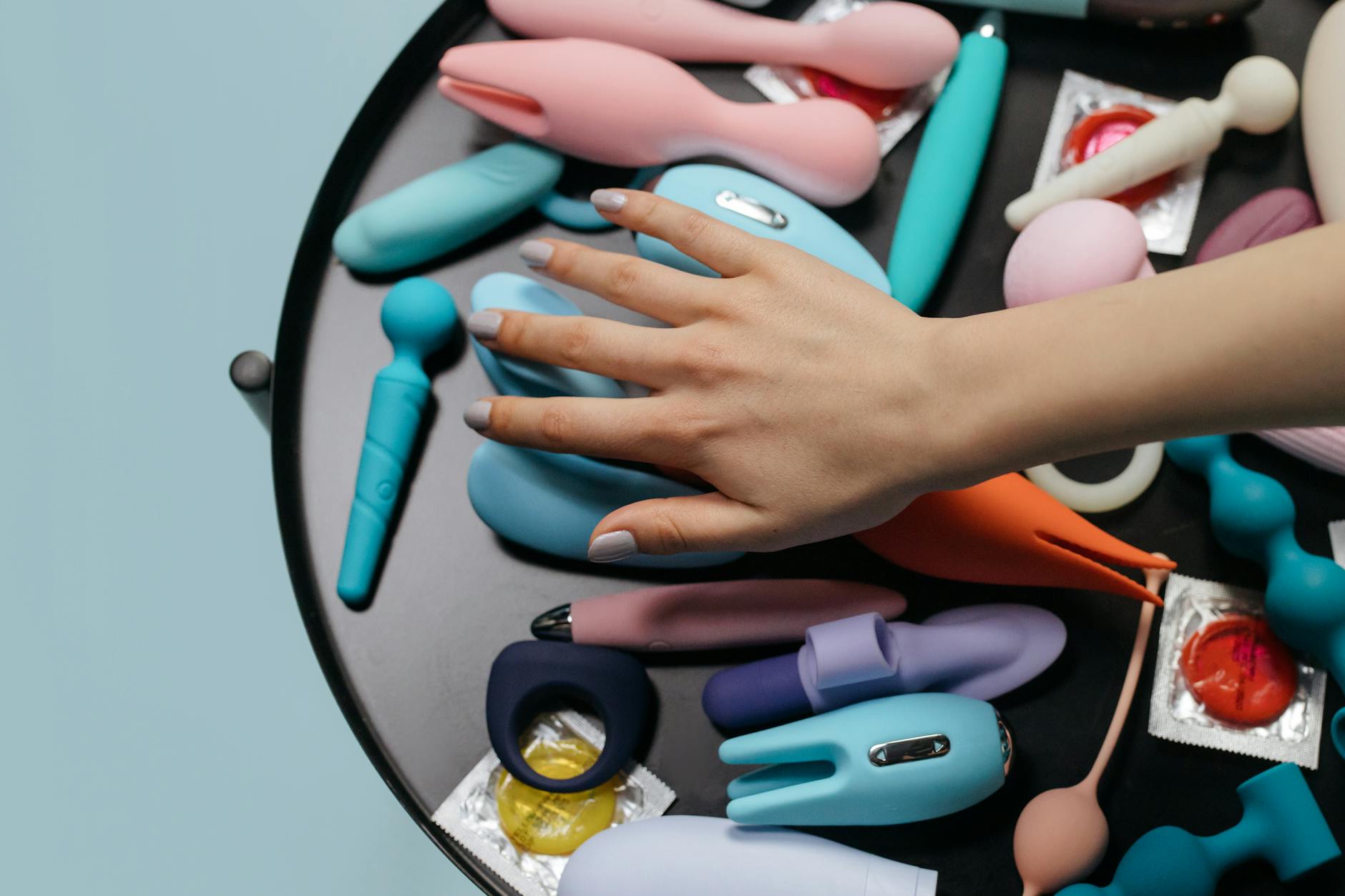
Photo by cottonbro studio on Pexels
Why the Lem works when conversation is stuck
Lemon vibrators, specifically air-suction clitoral vibrators like the Lem, are different from traditional wand vibrators. They don't vibrate the same way. Instead, they use gentle suction patterns that stimulate without the intensity that can feel overwhelming if your nervous system is already tense.
Why does this matter when your partner avoids talking? Because shame and avoidance live in the nervous system. When you use a vibrator that feels gentle and precise, you're not triggering the same fight-or-flight response that demanding conversation might create. You're soothing the nervous system while pleasure rebuilds.
The Lem's patterns also give you something to focus on besides performance. Pattern three might feel totally different from pattern five. This teaches your body that pleasure has textures and variations. It's not one thing. That nuance makes real conversations later feel less binary. It's not just "yes, I want sex" or "no, I don't." It becomes much richer.
The second phase: gentle integration with your partner
After a few weeks of solo use, you might consider a different kind of conversation. Not "We need to talk about sex" but something gentler.
"I've been taking better care of myself lately. I feel different." Then see what they ask.
Or: "I realized I'd stopped thinking about pleasure for myself. I'm working on that." No demand. No implication that it's their fault. Just honesty.
Some partners respond to this by showing more interest. Some don't. If they do, you might eventually invite them into the room while you use your lemon vibrator. Not partnered sex, necessarily. Just shared presence. Vulnerability without performance.
That's very different from "Let's fix our sex life." It's an invitation, not a project plan.
What to do if the conversation never happens
It might not. Some partners remain avoidant even when they see you reclaiming your pleasure. That's information too. That tells you something about their capacity for intimacy, their willingness to grow, and whether this relationship has the foundation you need.
But here's what changes: you've already rebuilt your relationship with your own pleasure. You're no longer dependent on their willingness to talk in order to feel okay. That's powerful. It's not bitterness. It's clarity.
You deserve pleasure. Not as a reward for finally breaking through your partner's avoidance, but as a basic fact of being alive. A lemon vibrator is a tool for that. It's not a substitute for partnership or intimacy. It's not a band-aid. It's a way of honoring your body while you figure out whether this relationship can give you what you need.
The conversation skills that actually work
When you do try to open this door, avoid these patterns:
Don't lead with complaint. "We never have sex" activates shame. "I miss feeling close to you" activates something different. It opens a door instead of closing one.
Don't ask them to explain their avoidance in the moment. Save that for a calm time, not right after you've just tried to initiate. Give them space to think.
Don't weaponize your solo pleasure. If you're using your lemon vibrator and then immediately bringing it up during conflict, they'll experience it as aggressive. Keep those things separate.
Do tell them what you need. "I need to feel desired sometimes" is clearer than "You never want me anymore."
When to get help
If months of rebuilding your own pleasure don't shift anything in your relationship, couples therapy is worth considering. A good therapist can help your partner understand that intimacy conversations aren't attacks. They're invitations. And they can help you figure out whether this relationship is genuinely avoidant because of communication patterns or because one or both of you has fundamentally mismatched needs.
A lemon vibrator can rebuild your pleasure. It can't rebuild a relationship that isn't willing to meet you halfway.
FAQ: Partner avoidance and solo pleasure
Can using a vibrator make my partner feel threatened?
Possibly, yes. Some partners interpret solo pleasure as rejection. But that's their wound to examine, not yours to carry. You can offer reassurance: "This is about taking care of myself, not about you being inadequate." If they remain threatened, that's a bigger relationship issue that therapy can help with. Your pleasure isn't conditional on their comfort level.
How do I bring up that I'm using a vibrator if my partner avoids sex talk altogether?
You probably don't, at first. Give yourself a few weeks of solo use to rebuild your confidence. Then, if the conversation opens naturally, you can mention it. "I've been focused on feeling good in my own body" is honest without oversharing. If they never ask, you're not obligated to announce it. Your solo pleasure is yours.
Will using a lemon vibrator actually help us communicate better?
It won't directly. What it does is remove desperation from the equation. When you're not starving for touch or validation from your partner, conversations become less charged. You can ask for what you need without it feeling like you're begging. That shift often makes communication easier.
What if my partner finds out I'm using a vibrator and gets angry?
That's a red flag worth examining. Partners who are angry about your solo pleasure are telling you something important about how they view your body and your autonomy. That's worth exploring in therapy or with a trusted counselor. Your pleasure is not theirs to police.
Can I use a lemon vibrator with my partner even if they won't talk about intimacy?
Yes, eventually. But start solo first. Build your own confidence. When you do invite them to be present, lead with curiosity, not demand. "I'd like to show you something that feels good to me" is different from "Try this on me." The first is an invitation. The second is a directive. Invitations work better when communication is already strained.
How long before things change if I use a vibrator regularly?
Two to four weeks before you feel a shift in yourself. Months before your partner might notice and respond. Years before the relationship might genuinely transform, if it does at all. The timeline depends entirely on whether both people are actually willing to change. What you can control is rebuilding your own pleasure, regardless of what happens with them.
The bottom line
Your partner's avoidance is not your fault. Your pleasure is not your responsibility to sacrifice. A lemon clitoral vibrator is a tool for reclaiming both. It's not a band-aid on a broken relationship. It's not a threat to your partnership. It's an act of self-respect.
Start solo. Give yourself time. Feel what shifts in your body and your confidence. Then decide whether the conversation with your partner is possible, whether this relationship is worth fighting for, or whether you need to make space for something that values you more fully.
Your pleasure matters. Not because your partner says so. Because you deserve it.
Ready to invest in yourself? Learn more at Hello Nancy or explore what works best for your body by reading about why lemon vibrator patterns matter more than intensity.
Sources
Gottman, M., & Silver, N. (2015). The Seven Principles for Making Marriage Work. Harmony Books.
Perel, E. (2017). The State of Affairs: Rethinking Infidelity. HarperCollins.
Laumann, E. O., Paik, A., & Rosen, R. C. (1999). Sexual dysfunction in the United States. Journal of the American Medical Association, 281(6), 537-544.