Here's what nobody tells you about vibrator intensity
Most people assume more power equals better orgasms. It doesn't. In fact, chasing maximum intensity is often a shortcut to numbness, frustration, and thinking something's wrong with your body when really the tool just isn't speaking your language.
The difference between a lemon vibrator and a wand? Pattern matters more than anything else. A good pattern at medium intensity will deliver more satisfying orgasms than max power on a flat buzz. And honestly, understanding why changes everything about how you use your device.
What patterns actually do to your nervous system
Your body doesn't respond to constant stimulation the same way it responds to rhythm. Steady buzz becomes background noise. Your nerves adapt to it. But variation, texture, and rhythm create a kind of conversation between the device and your body. Patterns interrupt that adaptation cycle.
When you use a lemon clitoral vibrator with varied patterns, you're essentially creating micro-moments of anticipation. The nerve endings stay engaged instead of dulling out. This is why people often report that pattern 3 or 4 on a lemon vibrator feels more intense than pattern 8 on a standard wand, even though the wand technically vibrates faster.
There's also a neurological component. Your brain tracks change better than it tracks constancy. Patterns activate more neural pathways, which means more of your nervous system lights up. More activation equals more potential for deeper sensation.
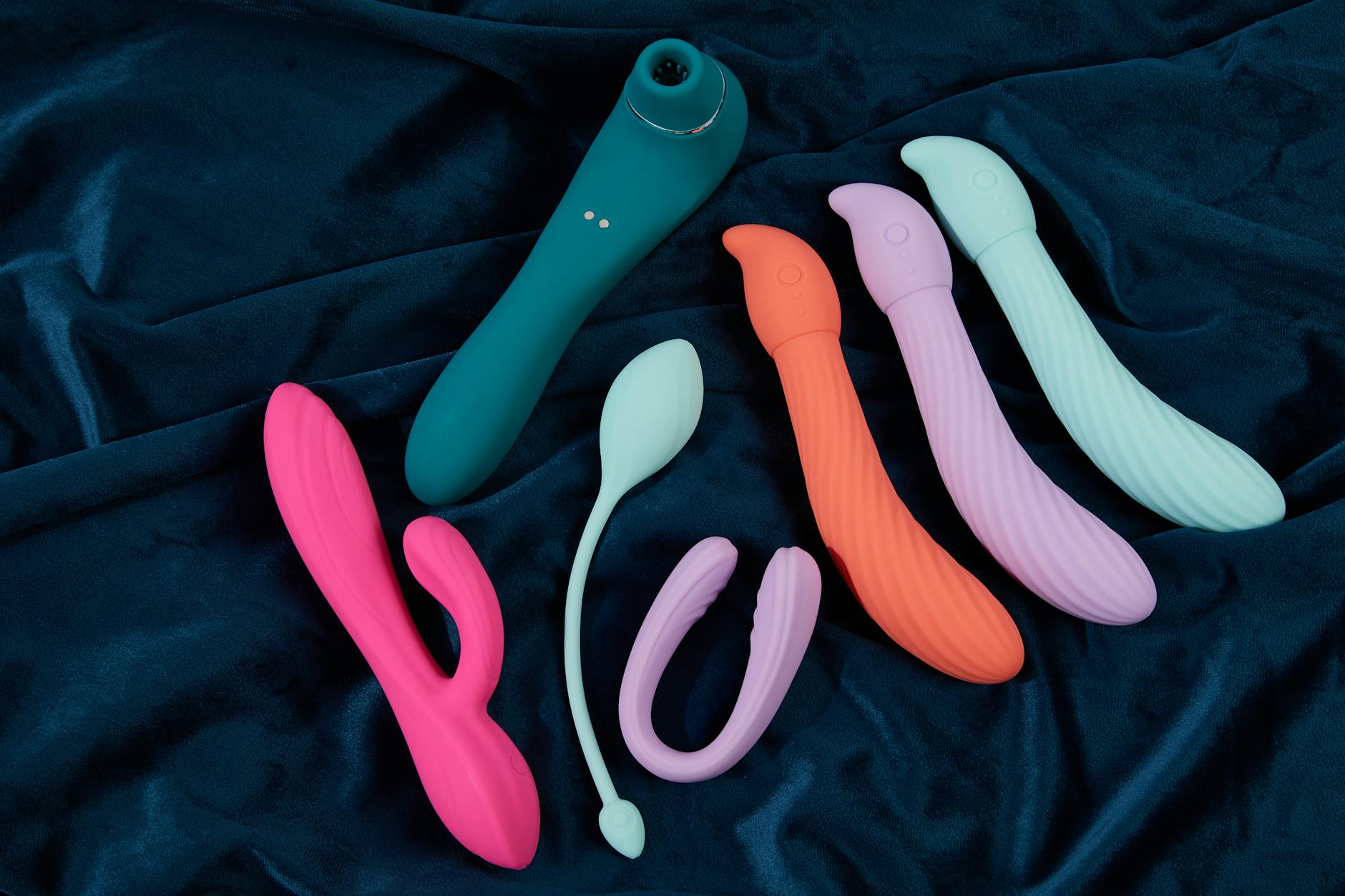
Photo by IFONNX Toys on Pexels
Why the Lem's design leverages patterns differently
The lemon vibrator's suction technology means patterns feel radically different than they do on traditional vibrators. Suction creates pressure variation naturally. When a pattern pulses on a suction device, you get rhythmic pressure release and reapplication. That's not the same sensation as a vibrating buzz.
With a regular vibrator, pattern might mean the buzz oscillates faster or slower. With a lemon clitoral vibrator, patterns create actual waves of sensation. Think of it like the difference between someone running their finger steadily across your skin versus tracing little circles. Same area, completely different experience.
This is why people who switch from traditional vibrators to a lemon sucker often say the patterns feel revelatory. They're literally creating a new kind of stimulation, not just a variation on the same thing.
The practical reality of pattern preferences
Everyone has a different pattern sweet spot. Some people gravitate toward rhythmic, pulse-based patterns that feel almost meditative. Others want rapid texture changes that feel playful and unpredictable. Some want patterns that build intensity gradually. None of these preferences is more valid than the others.
Here's what I tell people in my practice: pattern preference is more reliable than intensity preference over time. You might love intensity one week and find it irritating the next, depending on where you are in your cycle, stress levels, or how much foreplay you've had. But your favorite pattern? That tends to stay consistent.
This matters because it means you don't need maximum power. You need the right pattern. A lemon vibrator at pattern 5 might be your perfect match, while someone else lives at pattern 2. There's no hierarchy here.
How to actually find your pattern groove
Start by testing patterns when you're already somewhat aroused, not from a cold start. Your body's responsiveness changes as you warm up, and you want to know what patterns feel good when you're actually in the mood, not hypothetically.
Try each pattern for at least 30 seconds before deciding it's not your thing. Your nervous system needs a moment to register the rhythm and start responding. Instant judgment often means you're cutting it short.
Pay attention to which patterns feel grounding versus which feel like they're pulling pleasure up and out. Some people prefer that gathered, concentrated sensation. Others want an expansive, radiating feeling. That difference tells you something about your nervous system's preference, and that info is gold when you're exploring with a partner or learning your own body deeper.
Also notice whether you prefer patterns that feel mathematical and predictable, or ones that feel slightly chaotic and surprising. This is pure preference. But knowing it means you'll actually reach for your lemon vibrator instead of something generic.
Pattern variation over marathon intensity
One of the biggest breakthroughs I see in my practice is when couples move away from "turn it to max and go" into "let's explore the middle patterns together." Intensity creates tension in your pelvic floor. Patterns create engagement.
Tension and engagement are different things. Tension can feel productive in the moment, but it often leads to numbness later or the frustrated feeling of being unable to finish. Engagement actually builds sensation over time.
This is also why <a href="/blog/lemon-vibrator-intensity-settings-which-pattern-works-best">understanding your intensity settings matters</a>. You're not chasing max. You're calibrating. Pattern 2 at high intensity might be your actual perfect setting, and you'd never know if you skip straight to pattern 6 at max speed.
What research actually shows about pleasure and variation
There's a reason why novelty and variation are key to sustained pleasure in any context, sexual or otherwise. Your brain literally gets bored with sameness. But variation activates reward pathways more reliably than intensity does.
This is especially important for people who feel like they have a hard time finishing, or who feel numb, or who've been using intense vibrators for years. Sometimes the solution isn't switching to something gentler. Sometimes it's switching to something with more variation at a moderate intensity level.
People with vulvas can absolutely build tolerance to vibration intensity over time. It's not a failure on your part. It's how your nervous system adapts to stimulation. But patterns don't have the same tolerance issue because your brain continues to track and respond to rhythm and change. A pattern that worked beautifully a year ago will still work beautifully now.
Bringing pattern preference into partnered sex
If you're using a lemon vibrator with a partner, knowing your pattern preference is like having a cheat code. Instead of fumbling or giving vague instructions, you can say which pattern feels best. Your partner knows exactly what to dial in. This removes so much friction from communication about pleasure.
Many couples also discover that pattern preference reveals something about timing. You might find that your partner prefers having the device on a particular pattern while you're inside together versus during foreplay. That's useful information. <a href="/blog/how-to-use-lemon-vibrator-with-partner-during-sex">Exploring patterns during partnered sex</a> often opens up conversations that would feel awkward otherwise.
The sensitivity factor
If you have sensitive tissue, patterns might matter even more than they do for other people. Sensitivity often means constant stimulation feels irritating, but rhythmic, varied stimulation feels great. This is why <a href="/blog/how-to-choose-a-clitoral-vibrator-if-you-have-sensitive-tissue">choosing a clitoral vibrator with good pattern variety</a> can be transformative for sensitive bodies.
Sensitivity doesn't mean you need less pleasure. It means you need different stimulation. Patterns deliver that without requiring you to dial down intensity so much that the device becomes boring. You stay engaged, your tissue stays happy, and you actually finish.
When intensity still matters
Okay, so patterns matter more than raw power. But intensity isn't irrelevant. What matters is having enough intensity options that you can pair with your favorite patterns. You want to be able to run your favorite pattern at 40% power, 70% power, and 100%, and feel the difference.
This is why lemon adult toys with graduated intensity levels paired with true pattern variation are so useful. You're not stuck with one feeling. You have genuine flexibility.
FAQ
What if I don't feel a difference between patterns?
You might be at the wrong intensity level for pattern perception, or you might benefit from longer warm-up time. Patterns feel more noticeable when you're already aroused. Try testing patterns when you're 75% of the way to an orgasm, not at the beginning. If you still don't feel a difference, it's possible your nervous system responds better to consistent intensity than variation. That's real and valid. But most people discover pattern preference once they've tested them properly.
Is one type of pattern objectively better?
No. Pattern preference is like music preference. You might love a steady pulse while someone else finds it boring. Both preferences deliver pleasure. The goal is finding yours, not chasing what someone else says is best. Try everything available on your device and notice what makes you want to use it more often.
Can I use the same pattern every time?
Technically yes, but you might find novelty matters too. If you've been using pattern 3 for a year and it's losing its spark, try rotating through patterns 2, 3, and 4 instead. Sometimes the solution to numbness is just switching between two or three favorites rather than always reaching for one.
Do lemon clitoral vibrators have different patterns than other brands?
Yes. The suction mechanism changes how patterns feel entirely. Pressure waves are different from oscillation. If you've only ever used traditional vibrators, lemon patterns might feel radically new because they're literally creating a new type of sensation. This is why people often switch devices and suddenly feel the difference.
Should I start on a low pattern if I'm new to vibrators?
Not necessarily. Start on a medium pattern at a moderate intensity. Low patterns sometimes feel underwhelming when you're first learning your preferences, which can make you think you need intensity when really you just need a better pattern fit. Find the pattern that feels engaging, then adjust intensity around it.
What if my partner and I prefer different patterns?
Learn both. If you're using the device during sex, you might alternate whose preference takes the lead. Or you might discover that what feels good solo feels different partnered. Communication here is key. "Let's try your favorite pattern" removes the guesswork and builds intimacy.
The bottom line
Intensity is the easy sell. Patterns require a little more exploration. But that exploration is where actual, sustained pleasure lives. Stop chasing the highest buzz. Start mapping the patterns that make you want to come back to your device over and over. That's the real metric of a great match.
Ready to explore? <a href="/contact">Reach out if you have questions about finding your pattern groove.</a> Or revisit <a href="/blog/why-lemon-vibrators-feel-better-after-using-manual-stimulation">why lemon vibrators feel so different after manual stimulation</a> for more context on sensation variation.