Let's talk about what breakup does to your body
When a long relationship ends, your nervous system has to relearn how to experience pleasure alone. That's not metaphorical. For years, maybe decades, your body associated arousal with someone else's touch, their rhythm, their presence in the room. Your brain built neural pathways around that partnership. Divorce or a major breakup doesn't just end the relationship. It severs the sensory map you've been using to navigate your own sexuality.
Most people don't talk about this part. They talk about grief, anger, healing timelines. But the physical disconnection from your own pleasure? That gets buried. And it's one of the hardest things to reclaim.
This is where lemon vibrators change the game. Not because they're magic. Because they're specifically designed to help you rebuild that relationship with your body without the weight of partnership conditioning.
Why your body feels different after a breakup
Honestly, three things happen at once:
First, your nervous system is in mild shock. Breakup rewires your threat-detection system. Your body has been operating in "we" mode, and suddenly it's solo again. That alone doesn't kill desire, but it does make access to arousal slower and more fragmented.
Second, you've probably internalized a lot of partnered sex patterns. If you spent 10 years having sex in a certain way, on a certain timeline, responsive to a partner's cues, your body developed muscle memory around that. Solo pleasure feels weird because it is. Your body is literally learning a new language.
Third, there's often shame tangled in there. Not always obvious shame, but the kind that lives in your shoulders and your breath. "Is it okay to want this without anyone else wanting me?" The answer is yes. But your nervous system might not believe that yet.
Lemon adult toys work well here specifically because they're not a replacement for a partner. They're a tool for rediscovering what you actually like when you're not performing, not accommodating, not checking in with someone else's comfort level.
How the suction pattern helps with reconnection
Most people returning to solo play after divorce reach for whatever they used before. That sometimes works. Often it doesn't, because the sensation reminds you too much of what's missing. A partner's hands, the weight of someone else's body, the responsiveness.
Lemon vibrators use air-suction technology, which creates a completely different sensation than traditional vibration or manual touch. It's novel. Your body doesn't have a partnership memory attached to it. There's no ghost of someone else in the pattern.
The suction stimulation also requires you to stay present with sensation rather than drifting into performance mode. It demands attention in a way that supports nervous-system recovery. You can't run the pattern on autopilot while thinking about logistics or feeling guilty. The intensity pulls you into the moment.
That presence is genuinely healing. One client called it "the first time in years I felt like my pleasure was mine."
Starting solo play again after major relationship loss
Here's what I recommend to almost everyone rebuilding this:
Set a boundary around context. Don't do this while you're processing the breakup actively. Crying, anger, deep grief sessions come first. You want to enter solo play from a place of self-care, not self-soothing from trauma.
Start with your hands first. Before introducing any lemon sexual toys, spend time relearning what your own touch feels like. No goal beyond sensation. Two or three sessions. This reconnects you to your body without any external input.
When you do introduce a vibrator, start low and slow. The Lem vibrator has multiple intensity patterns. Begin at patterns 1 or 2, spend 15-20 minutes without rushing to orgasm. The point isn't climax. It's reestablishing that your body's pleasure is accessible and real.
Build a solo ritual. This matters more than you'd think. Light a candle. Clear the room. Give yourself permission audibly. "This time is mine." Ritual creates a container that separates solo play from the rest of your life and tells your nervous system that this is safe and intentional.
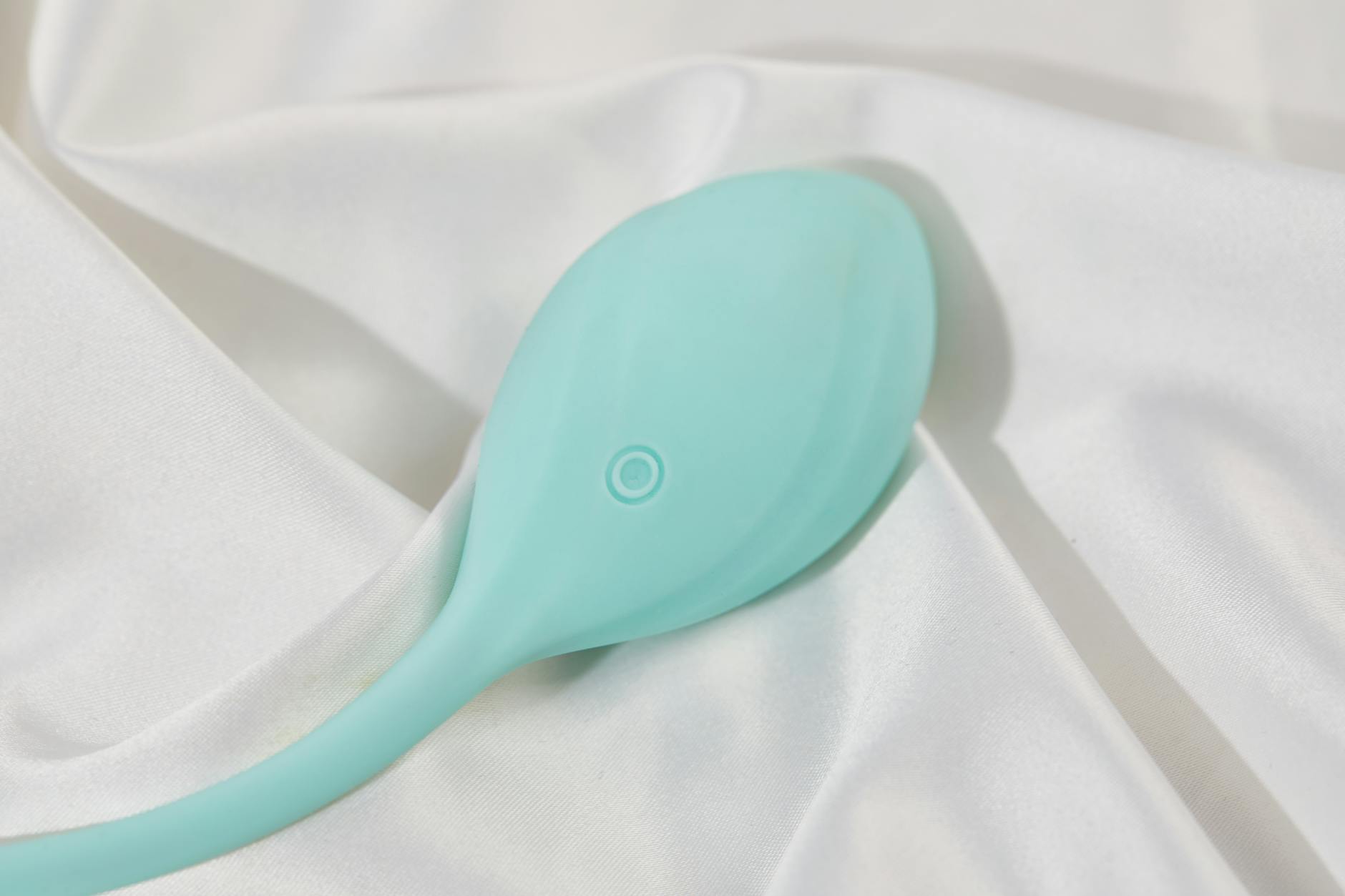
Photo by IFONNX Toys on Pexels
The psychological piece nobody mentions
Rebuild solo pleasure is also about reclaiming agency. When a relationship ends, especially a long one, part of the fallout is "what defines me now?" Your sexuality was always in dialogue with someone else's. Now you get to decide what it looks like for you. That's powerful and terrifying simultaneously.
Lemon clitoral vibrators become a tool for that reclamation. Not because you need a device to feel something. You don't. But because using one deliberately, on your own terms, no other agenda, is an act of self-definition. It's your body saying, "I exist independent of this loss."
This is also why the transition from partnered sex to solo play often produces unexpectedly intense orgasms. There's less noise. You're not managing someone else's response, monitoring whether they're still interested, adjusting for their comfort. Your nervous system gets to fully resource itself for your own pleasure.
When to consider professional support
If you're months out from a breakup and can't access arousal at all, that's worth checking in about with a therapist, not just a sex coach. Sometimes grief really does suppress desire, and that's normal. Sometimes there's underlying anxiety that needs naming.
If guilt is blocking you every time you try, that's also worth processing aloud. Breakup shame often hides. "I feel disloyal to the person I'm no longer with" or "I feel like I'm giving up on the relationship." Those beliefs usually dissolve once you say them out loud to someone safe.
Solo pleasure after divorce isn't indulgent. It's one of the clearest ways to tell your nervous system that you're actually going to be okay on your own. Your body believes you when you show up for it consistently.
Building confidence in your pleasure again
One unexpected benefit: rebuilding solo play after a major breakup often creates more confidence and clarity about what you actually want sexually. When you're learning your pleasure independent of someone else's preferences, you start noticing things you maybe didn't before.
"I actually like longer warm-up time." "I prefer patterns that build gradually." "I want intensity that surprises me." Without a partner's rhythm anchoring everything, you get to design the whole experience from scratch.
That knowledge is gold if you partner again later. You're not walking in asking someone to figure out your pleasure. You already know it.
Most of my clients find that a lemon vibrator becomes part of that discovery. The suction sensation is specific enough that it teaches you something new about your body. The design is beautiful enough that it doesn't feel like a bandage for loss. It feels like an investment in yourself.
Breakup recovery is long. But reclaiming your solo pleasure is one of the clearest messages you can send yourself: I'm worth taking care of. My pleasure matters. My body is still mine.
People also ask
How long after a breakup should I start using a vibrator again?
There's no timeline, but I usually suggest waiting until the acute grieving phase has passed. That's different for everyone. For some people it's six weeks. For others it's six months. The test is simple: can you do something for yourself without it feeling like you're running from pain? If yes, you're ready. If you're reaching for it because you're desperate to feel anything, that's grief talking, not desire.
Will using a lemon vibrator make solo sex feel like I'm missing a partner?
Sometimes initially, yes. That's normal. The suction sensation is different enough from partnered touch that it can highlight the absence. Sit with that for a session or two. Usually by the third time, your body recalibrates and starts enjoying the novelty. The pattern stops feeling like "not what I'm used to" and starts feeling like "what I actually like."
Can I use a lemon adult toy as part of healing if I'm not ready to date again?
Absolutely. Solo pleasure and readiness to partner are completely separate timelines. You can spend six months or a year rediscovering your body before you even think about dating. Lemon vibrators support that. They're not a substitute for connection. They're permission to prioritize yourself.
What if I feel guilty using a vibrator after my relationship ends?
That's one of the most common blocks, and it deserves attention. The guilt often disguises itself as "I shouldn't be having fun when I'm sad" or "This feels disloyal." The truth is your pleasure is not an insult to your ex. It's not a betrayal of what you had. It's evidence that you're going to be fine. If that guilt is persistent, talk it through with a therapist. Sometimes breakup leaves wounds that need more than a vibrator to heal.
Do I need a specific lemon vibrator for solo play after a breakup?
The Lem vibrator is designed for that specific suction-based stimulation that works beautifully for rebuilding sensation. But honestly, what matters most is that you choose something because you want it, not because you think it's what you should use. If you like the design, if the sensation appeals to you, if it feels like self-care rather than punishment, that's the right choice for you. The tool is secondary to the permission.
Is it normal to have stronger orgasms during solo play after a breakup?
Very normal. You're not managing anyone else's response. There's no performance aspect. Your nervous system gets to fully commit to your pleasure without divided attention. Many people report their most intense orgasms come during this post-breakup period of solo rediscovery. It's not sadness. It's clarity.
Recovery after major relationship loss is not linear. Some days you'll feel ready to rebuild. Other days you'll feel like you're starting from zero. Both are real. What matters is that you keep showing up for yourself, even in small ways. Your body will remember how to want again. That's built into you. It just needs patience and permission.
If you're navigating this transition and want support beyond what you can access alone, reach out. There's no timeline for healing, and you don't have to do it in isolation.