Here's the thing about vaginismus and vibrators
Vaginismus is an involuntary tightening of the pelvic floor muscles. Most people think it means "no penetration ever," but that's not quite right. It means penetration, if it happens at all, is wrapped in muscle tension so intense that it overrides sensation. Your body is clenched against something that's supposed to feel good. That changes everything about how stimulation lands.
When people with vaginismus first try vibrators, they often expect a direct clitoral vibrator to feel the same as it does for someone without the condition. It doesn't. The tension radiates outward. The tightening in your pelvic floor can make even gentle vibration feel overwhelming or, oddly, completely numb. You're caught between two extremes.
Lemon clitoral vibrators, especially air-suction designs like the Lem, work differently because they don't rely on the traditional vibration-and-pressure pattern. That distinction matters a lot if your body automatically guards itself.
How vaginismus changes sensation
When your pelvic floor is involuntarily clenched, three things happen to pleasure:
First, your nervous system is already in a heightened state. Your brain is receiving signals that something is a threat. That doesn't mean you're not aroused or that you don't want touch. It means your sympathetic nervous system (the fight-flight part) is activated alongside your parasympathetic system (the relax-and-enjoy part). You're essentially asking your body to be calm and defended at the same time.
Second, the tension makes direct pressure feel either too intense or strangely distant. A traditional vibrator pressing against your clitoris when your pelvic floor is locked can feel like it's vibrating into tension rather than through sensation. The muscle tightness acts as a barrier.
Third, sustained stimulation can trigger the reflex to tighten further. Your body's protective mechanism kicks in harder when it feels persistent pressure. This isn't weakness or a failure of desire. It's how your nervous system was wired to respond, usually from physical or emotional trauma, anxiety, or a history of painful sex.
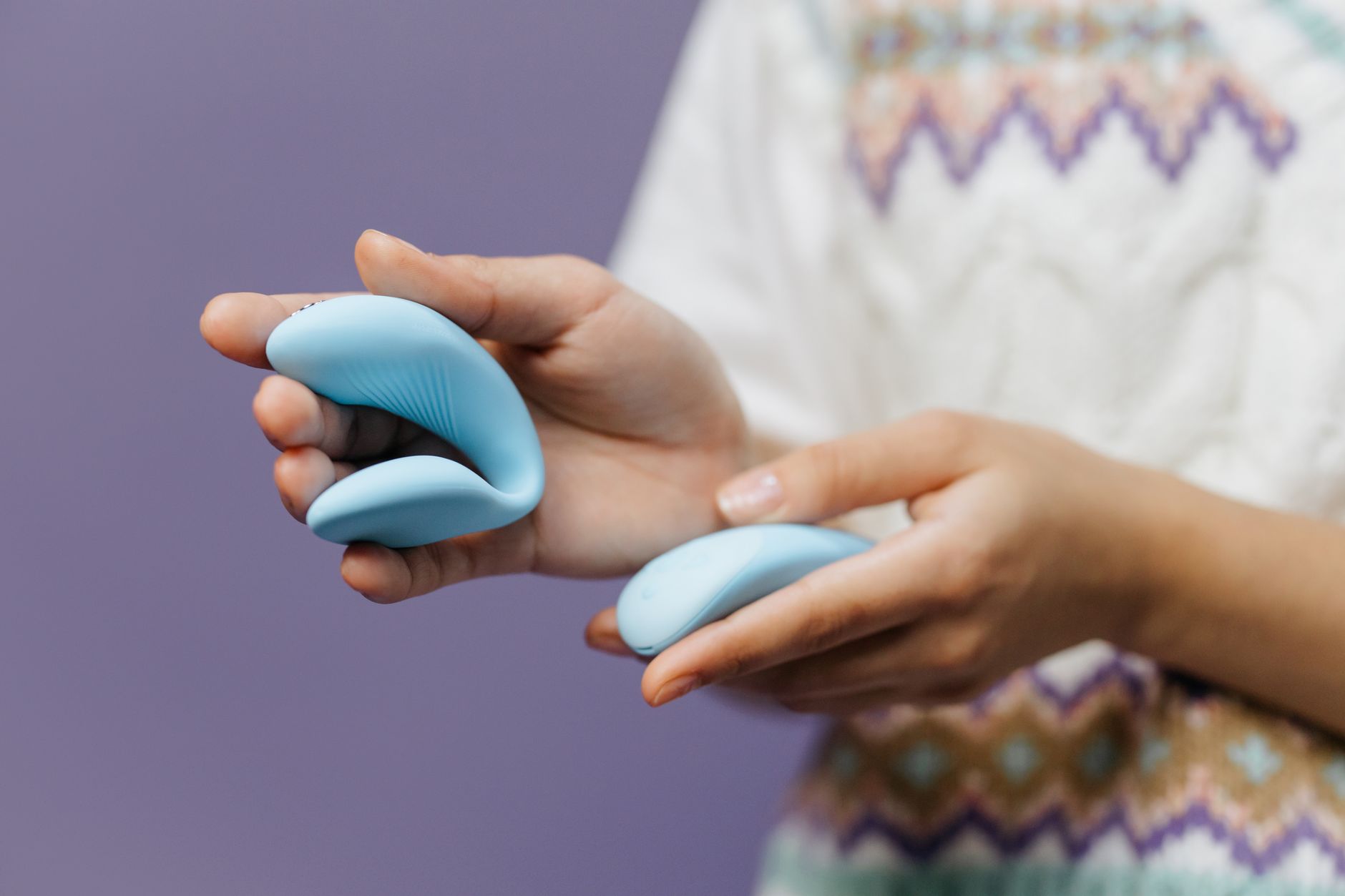
Photo by cottonbro studio on Pexels
Why air-suction design feels gentler
Lemon clitoral vibrators use air-suction technology instead of traditional vibration. Instead of something pressing and buzzing, you get gentle rhythmic suction that mimics the sensation of oral sex. That's not just more pleasant. It's neurologically different.
With air-suction, there's no sustained pressure. You get a pulse. That pulse is easier for your nervous system to track and trust than continuous vibration. Your body isn't fighting a constant assault. It's meeting something rhythmic and then releasing. That on-off rhythm actually helps some people with vaginismus because it doesn't activate the protective reflex as aggressively.
The suction also works on different nerve endings than direct pressure does. Your clitoris has thousands of nerve endings, but they're organized in layers. Suction activates the ones closer to the surface without that crushing intensity. For people with vaginismus, this often means the difference between pain and pleasure, numbness and sensation.
Lemon vibrators are also designed with a small opening that keeps stimulation concentrated without requiring pressure to build sensation. You're not fighting to feel something through tension. You're not braced for impact. The sensation arrives more gently.
What to expect when you first try one
If you have vaginismus and you're picking up a lemon clitoral vibrator for the first time, here's what's realistic:
Start in a space where you feel genuinely safe. That means alone, or with a partner you trust completely, at a time when you have no interruptions and no time pressure. Your nervous system won't relax if you're rushing.
Water-based lubricant matters. A lot. Not because you necessarily need it physiologically, but because the ritual of preparing your body with something slick and intentional can help signal safety to your nervous system. It's a form of consent you're giving yourself.
Begin on the lowest setting, usually pattern 1 or 2 on a lemon vibrator. You're not looking for orgasm. You're looking for sensation without pain or shutdown. Some people with vaginismus find that even gentle suction triggers the protective reflex at first. That's okay. You might spend your first sessions just feeling the device against your skin, turning it off and on, getting your body used to the rhythm.
Many people with vaginismus notice that their body gradually learns the sensation is safe. Your pelvic floor might still tighten initially, but over time and with consistent positive experience, the automatic clenching can reduce. That's not guaranteed. But it's possible, and it's one reason why exploring clitoral pleasure independently is so valuable.
If the suction feels overwhelming, stop. Your body knows what it needs. This isn't about pushing through discomfort. It's about building trust with yourself.
The role of pelvic floor awareness
One of the most useful things you can do alongside trying a lemon clitoral vibrator is learning to notice your pelvic floor. Not to control it. To notice it.
Lie down in a comfortable position and place one hand on your lower belly. Breathe deeply and pay attention to what's happening. Is your pelvic floor tight right now? Can you feel it release on the exhale? This isn't a Kegel. You're not working. You're observing.
Many people with vaginismus hold tension in their pelvic floor so chronically that they don't realize it's there until someone points it out. By the time you're sexually aroused, the tension is already present and amplified. Learning to recognize and release that baseline tension can transform how touch feels.
Some people benefit from pelvic floor physical therapy alongside vibrator use. A good pelvic floor PT can teach you to actually relax those muscles, not just squeeze them. That skill makes air-suction vibrators feel completely different.
When to involve a partner
If you have a partner, the conversation about vaginismus and vibrator use is separate from the act itself. Here's what helps:
First, explain that vaginismus is not about them. It's not rejection. It's a physical response. The more they understand that your body is protecting itself, not protecting against them, the better they can support you.
Second, make solo exploration non-negotiable first. You need to learn what your body is capable of when there's zero performance pressure. That knowledge is yours alone before you share it with anyone.
Third, if you do involve a partner, their job is to create safety and then step back. They can be in the room. They can provide comfort. But they can't fix your pelvic floor. That's neurological work your body has to do.
When to seek professional help
Vaginismus is highly treatable, and you don't have to figure it out alone. If you're experiencing pain with any penetration, or if your pelvic floor tightens involuntarily, talking to a pelvic floor physical therapist or a sex therapist is worth it. Cognitive behavioral therapy specifically designed for vaginismus has strong evidence behind it. So does progressive desensitization with the right support.
A clitoral vibrator like the Lem can be part of that healing. But it works best alongside professional guidance that addresses the nervous system response underneath the muscle tension.
You deserve pleasure that doesn't come wrapped in pain or shutdown. That's not a luxury. That's baseline. A lemon clitoral vibrator is a tool that can help you get there.
FAQ
Can air-suction vibrators trigger vaginismus?
For some people with vaginismus, yes. Even gentle suction can activate the protective reflex initially. That doesn't mean it's wrong or that you should stop. It means your nervous system is recognizing the sensation as novel. Starting very slowly, at the lowest setting, gives your body time to learn that the stimulus is safe. If suction consistently triggers pain or severe tightening, talk to a pelvic floor PT. They can help you desensitize gradually.
Will using a lemon vibrator help me overcome vaginismus?
A vibrator can be part of your toolkit, but it's not a cure by itself. Vaginismus usually requires work on your nervous system through pelvic floor PT, therapy, or both. A clitoral vibrator helps because it separates pleasure from penetration. You can experience satisfaction and learn that stimulation is safe without the added trigger of anything entering your body. That's valuable groundwork.
Is it normal for my pelvic floor to tighten even more when I use a vibrator?
Completely normal. Your body is doing exactly what it was trained to do. The tightening reflex is protective, not personal. With consistent, gentle exposure to sensation at the lowest intensity, many people find that reflex gradually softens. But this takes time and usually works best with professional support.
Can I use a lemon vibrator if I've never had penetration?
Absolutely. Many people with vaginismus start with clitoral pleasure precisely because it avoids the penetration trigger. Using an air-suction vibrator on your vulva and clitoris is a way to experience sexual pleasure without the psychological or physical bracing that comes with penetration.
Should my partner be involved when I first try a vibrator?
Not if you don't want them to be. Solo exploration lets you learn your body's responses without performance pressure or concern about your partner's experience. That said, if you have a supportive partner and you want them present, their role is to stay calm, stay present, and not make it about them. They're a witness to your pleasure, not a participant in your healing.
How long before a lemon vibrator stops triggering my vaginismus reflex?
It varies widely. Some people notice a shift within a few weeks of consistent, low-pressure use. Others take months. The timeline depends on how deep the protective reflex goes and whether you're working with professional support. There's no timeline to rush.