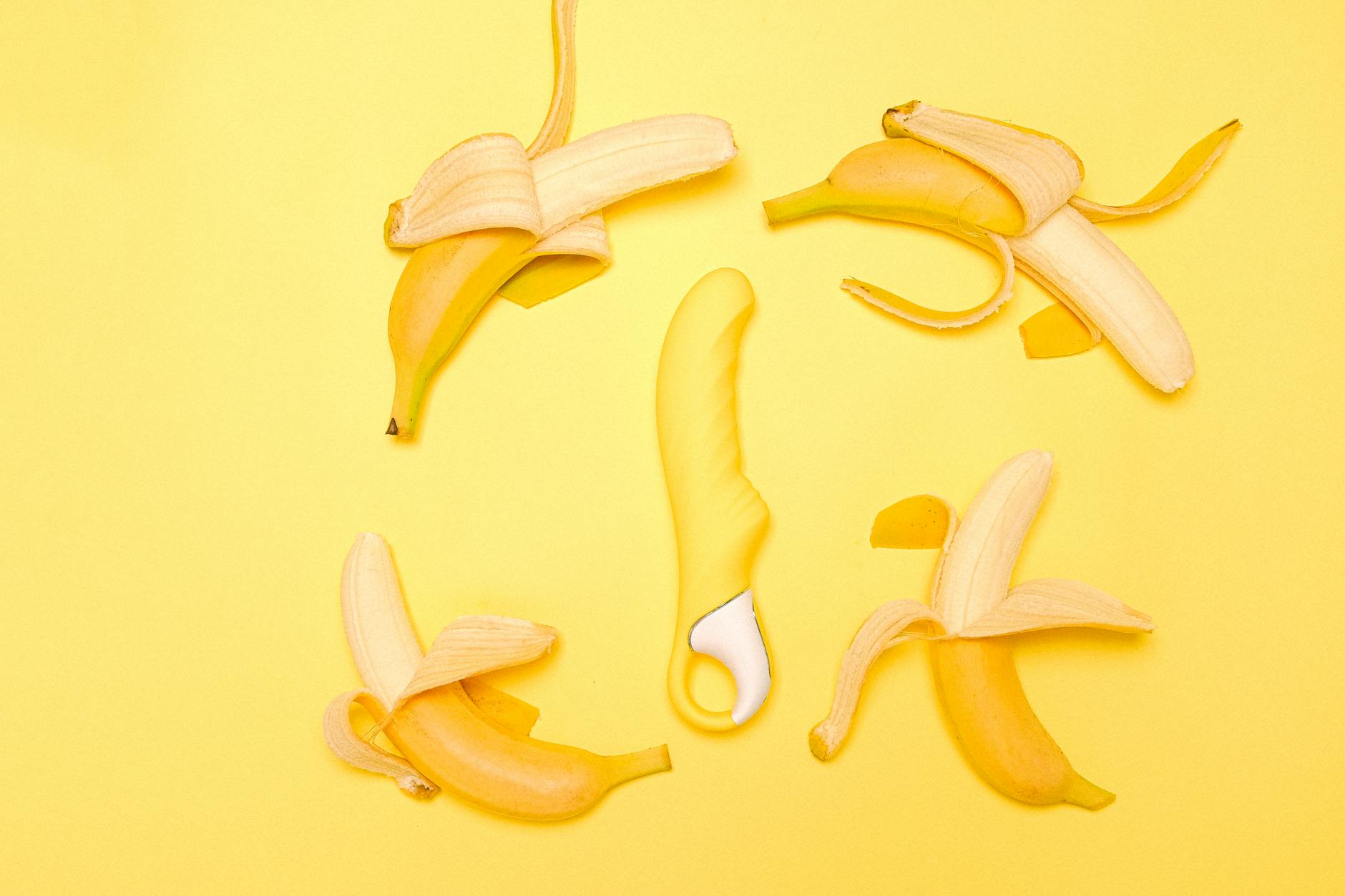
Here's the thing about vibration patterns
Most people assume intensity means speed. Press harder, go faster, feel more. But with a lemon vibrator, that's only half the story. Pattern is actually where the magic lives. The same speed delivered in a steady pulse versus a rhythmic wave versus a stuttering acceleration can feel wildly different to your nervous system.
I've worked with hundreds of people navigating pleasure in relationships and on their own. One of the most common misconceptions is that higher intensity automatically equals better sensation. The truth is messier, more interesting, and honestly more useful.
Why pattern matters more than you'd think
Your clitoris is packed with thousands of nerve endings, but they're not all the same. Some respond to steady stimulation. Others light up when the pattern changes. Some people's nervous systems prefer predictability; others get desensitized if the sensation stays the same for too long.
A steady, unwavering buzz can feel grounding and straightforward. A stuttering, pulsing rhythm activates different neural pathways. Some folks find rhythmic patterns mimic the natural building blocks of arousal. Others find them annoying and distracting.
The lemon clitoral vibrator is built with multiple pattern options exactly for this reason. You're not paying for gimmicks. You're paying for choice, and choice is what pleasure actually needs.
Starting low and reading your body's feedback
I always recommend beginning at pattern 1 or 2, regardless of experience level. This isn't about being tentative. It's about gathering information.
Spend 3 to 5 minutes with each pattern before deciding you've outgrown it. Your body needs time to register the sensation, for arousal to build, for that particular rhythm to unfold fully. Most people jump to higher patterns before they've actually felt the earlier ones.
What you're looking for is a signal that feels like "more of this" versus "this is uncomfortable" versus "I'm numb." The numb signal is important. If you're desensitizing halfway through, that usually means the pattern is too predictable or the intensity too high for that moment in your arousal cycle.
Pay attention to your breathing, your pelvic floor, any sensations in your thighs or deeper inside. Your body is constantly giving feedback. Most people just haven't learned to listen for it.
The progression that actually works
Here's a structure that works for most people most of the time.
Patterns 1 to 3: Exploration. These are your warm-up settings. Steady or gentle pulsing. The goal isn't orgasm yet. It's acquainting yourself with how that specific pattern lands. This phase usually takes 10 to 15 minutes.
Patterns 4 to 6: Building arousal. Here's where rhythm often shifts to something more dynamic. Stuttering, waves, accelerations. Your body has registered the earlier patterns and is ready for variation. Arousal is climbing.
Patterns 7 and up: The finish line. Higher intensity, usually faster rhythm, sometimes all of the above. By now your body knows the device and the sensation profile. You're primed for the intensity to feel good rather than overwhelming.
This progression isn't universal, but it works often enough to be worth trying. Your actual experience might move faster or slower depending on your nervous system, your arousal that day, stress levels, medication, how much you've slept. That variability is normal and not a sign something's wrong.
Why you might plateau on a particular pattern
Desensitization is real. If you've been using a lemon vibrator at pattern 5 for two months and now pattern 5 feels like nothing, that's not failure. That's your nervous system adapting to the signal.
You have a few smart options. First, take a break. A few days off resets sensitivity. Second, switch patterns entirely. Jump to pattern 3 or pattern 7. The novelty of a different rhythm often restores sensation. Third, vary the location slightly. A millimeter shift in angle can change the entire feel.
Many people also report that their sensitivity and arousal patterns change across their menstrual cycle or due to life stress. If you were loving pattern 6 last week and it feels flat this week, check in with what else is happening in your body and life. Pleasure isn't static.
How to use patterns intentionally with a partner
If you're exploring a lemon vibrator with someone, the patterns become a shared language. Instead of "faster" or "more," you're talking about specific patterns. That's useful because it removes ambiguity.
You might say, "I want pattern 4 right now" and your partner knows exactly what that means. You can explore whether they find pattern 2 soothing while you prefer pattern 5 for intensity. Neither is better. They're just different nervous systems with different wiring.
Many couples also use pattern switching as a way to stay present with each other. Instead of locking into one setting, you take turns choosing. It becomes a back-and-forth conversation rather than a fixed destination.
Reading pain versus pleasure intensity
This is critical. Pain and pleasure live close together neurologically, but they're not the same thing.
Pleasure intensity feels like mounting sensation, building arousal, deepening focus. Your body wants more. Pain feels sharp, pinching, stinging, or burning. Your reflex is to pull away.
If a pattern causes any sharp sensation, that's your cue to drop to a lower pattern or a different one entirely. This isn't about being delicate. It's about working with your body instead of against it. If you're experiencing consistent pain with clitoral vibrators, that's worth flagging with a healthcare provider. Sometimes it signals sensitivity that needs a different approach.
Pleasure intensity can feel intense without being painful. It can feel almost overwhelming and still be good. The difference is your consent and your body's response. You're leaning in, not bracing against it.
The myth of "needing more"
There's a cultural message that pleasure is about escalation. Faster, harder, more intense, always pushing forward. That's not actually how arousal works.
Some people's most satisfying experiences happen at medium intensity with the right pattern. Some people never go above pattern 4. Some people use lower patterns for 20 minutes and never reach orgasm, but they feel deeply connected to their body. All of that is valid and complete.
You don't need to work your way up the intensity ladder like you're leveling up a video game. You need to find what actually feels good to your nervous system. For some people, that's consistent. For others, it changes daily. Both are fine.
Creating a sustainable practice
One of the best things I've observed from people using quality lemon sexual toys regularly is that they stop treating pleasure like an outcome to achieve. They start treating it like information gathering.
Each time you pick up your lemon vibrator, you're not necessarily aiming for orgasm. You're checking in with your body, exploring sensation, noticing how different patterns land today. Some sessions deliver orgasm. Some deliver relaxation. Some deliver clarity or just connection to yourself.
That approach usually means people stay curious about patterns and settings instead of getting locked into a rut. It also means they're more likely to keep using the device because it's not pressurized into being productive.
Set a low bar for success. If you used it for five minutes and noticed something about how your body responds to pattern 2, that's a win. You've gathered data. Your next session will be better informed.
FAQ: Pattern and Intensity Questions
Why does pattern 3 feel stronger than pattern 5 sometimes?
It usually comes down to arousal state and attention. If you're more aroused when you try pattern 3, it will feel more intense. If you're distracted or less present with pattern 5, it'll feel muted. It's not the device. It's your nervous system's capacity to receive the sensation. Pay attention to your baseline arousal before comparing patterns.
Can I damage my sensitivity by using high patterns too much?
Temporary desensitization happens. You won't permanently damage your clitoris from vibration, but you can numb it temporarily if you're using the highest patterns daily for weeks. If you notice sensitivity dropping, take a few days off and rotate patterns. Your nervous system will recalibrate.
What if my partner and I prefer different patterns?
That's completely normal and actually useful. You might take turns choosing the pattern, or you might find a compromise pattern that works for both of you. If you're using the device together, you don't have to be on the same setting. Some partners use lemon vibrators simultaneously on different patterns. Explore what feels connected to you both.
Is there a "best" pattern for orgasm?
No. Some people orgasm fastest and easiest on steady patterns. Others need rhythmic or pulsing variations. Some people need a specific pattern sequence. The best pattern is the one your body responds to. And that might change. You'll know it when you hit it because your body will tell you clearly.
How long should I stay on one pattern before moving up?
At minimum, 3 to 5 minutes while aroused. Ideally longer. You need time for arousal to build, for your nervous system to register and respond to the rhythm. If you're jumping between patterns every 30 seconds, you're not actually experiencing any of them fully. Slow down. Patience usually pays off.
Can I use a specific pattern for relaxation instead of orgasm?
Absolutely. Some people use medium patterns as a way to calm their nervous system or to connect with their body without any goal. There's no rule that says lemon vibrators are only for reaching orgasm. Use them however serves you.
The bottom line
Pattern and intensity are tools. You're the one who gets to decide which tool serves you today. There's no progression you have to follow, no finish line you have to reach, no "right" way to use a lemon clitoral vibrator. Start low, pay attention to feedback, notice what your body actually wants instead of what you think it should want. That's the whole practice. Everything else follows from that.
If you're exploring this with a partner, the same rule applies. Check in regularly, stay curious, and remember that pleasure is information, not performance. The more honestly you can read your body's signals, the better your experience will become. That takes no special equipment. It just takes attention. The lemon vibrator is the easy part.