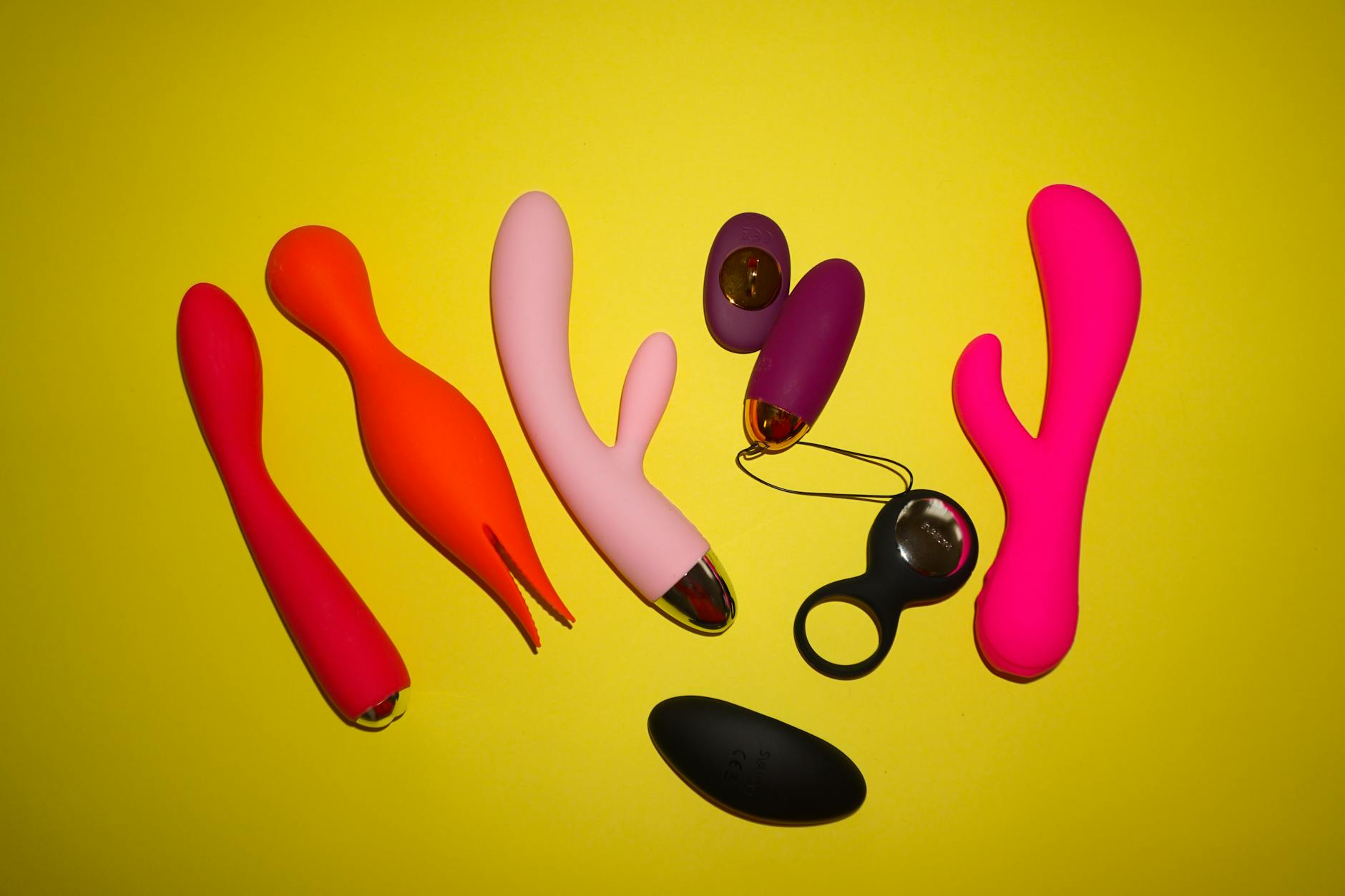
Let's talk about why this conversation matters
Most couples don't bring a lemon vibrator into the bedroom because of a technical problem. They bring it in because something's shifted—desire isn't showing up the way it used to, orgasm takes longer, or the same rhythm you've been using for five years stopped working. A vibrator isn't a fix for a broken relationship. But it is a direct line to conversation, permission, and rediscovery with your partner.
Here's what I see clinically: couples who integrate toys report not just better sex, but better communication overall. Why? Because you can't awkwardly hand someone a lemon vibrator without talking about it first. That conversation is where the real work happens.
Before you buy: the conversation you actually need to have
Don't start with "Should we get a vibrator?" Start with what's actually different. Is one partner's desire lower? Is penetration no longer enough? Does arousal take longer than it used to, and you're both frustrated? Name the specific thing. This shifts the frame from "something's wrong with you" to "something's shifted, and we want to solve it together."
Then come the practical questions: Do you want to use it during foreplay, during penetrative sex, or solo with a partner present? Does it feel more intimate if you're the one holding it, or would you prefer your partner to control the rhythm? These aren't awkward questions. They're the opposite. They're clarity.
If one partner is hesitant, don't push. Hesitation usually means one of three things: fear that they're "not enough," worry it'll feel clinical, or uncertainty about what they're actually buying. Address the actual concern, not the surface resistance.
Understanding your anatomy together
Here's what most couples miss: a lemon clitoral vibrator works differently than manual stimulation because it doesn't require downward pressure. It's all sensation, no friction. This means you can use it in positions that would be impossible with hands alone, and you can sustain a single pattern far longer without fatigue.
For the partner with a vulva, the key is understanding your own arousal map first. Where does this vibrator feel best? The shaft, the side of the clitoris, just above it? At what speed? If you don't know, spend a solo session figuring it out. This is not selfish. This is information your partner needs.
For the penetrating partner, learn where the vibrator can fit in your bodies together. During entry, the Lem works beautifully applied during penetration because its compact design doesn't interfere with depth or angle. During partnered oral, one partner can focus on the shaft or entrance while the other uses the vibrator on the clitoral area. During foreplay, the vibrator can reduce the pressure on the receiving partner to orgasm from hands or mouth alone.
The rhythm matching that actually matters
One of the biggest mistakes couples make is treating a lemon vibrator like a magic button. It's not. It's a tool for extended sensation, not a shortcut to climax. If your partner has taken 20 minutes to warm up to arousal, turning the vibrator to its highest setting isn't going to compress that timeline. It's going to feel jarring.
Instead, match the vibrator's rhythm to the momentum you've already built. Start at a lower setting during foreplay. Increase gradually as excitement builds. If you're in penetrative sex, let the vibrator complement the rhythm of entry and withdrawal, not compete with it.
The other pattern that works: one partner controls the vibrator pattern while the other controls depth, speed, or position. This divides the labor and means nobody's stuck performing a single action while their arm gets tired. Communication mid-sex is clumsy but essential. "A bit slower," "higher up," "more pressure," "let's try switching" are all valid mid-act directives.
Specific positions and entry points
The easiest entry point for couples is foreplay. One partner uses their mouth, fingers, or both while the other applies the lemon clitoral vibrator to a different area. This gives both partners something to do and creates overlapping sensation that feels distinctly different from what you've done before.
During penetration, the receiving partner can hold the vibrator or hand it to the penetrating partner to apply during thrusting. The vibrator doesn't need to be applied continuously. Intermittent sensation often feels better than constant pressure. This also prevents numbness, which is real and worth preventing.
One position that many couples discover accidentally: the receiving partner on their back, vibrator in their hand, penetrating partner entering from above. This angle lets the receiving partner apply vibration at their own preferred rhythm and intensity while the penetrating partner focuses on depth and pace. You're working in parallel, not competing.
For external-only play, the vibrator can be applied during manual or oral stimulation. The penetrating partner can use a single hand for entry or toys while the other applies the vibrator, or they can alternate. There's no one correct way. What matters is that you're both present and communicating.
What to do if it feels weird or clinical
It will, at first. That's normal. Introducing anything new into sex comes with a small period of awkwardness. The receiving partner might feel self-conscious about needing a vibrator. The penetrating partner might feel inadequate or like they're "not enough."
Nether of these feelings is true or permanent. A lemon vibrator is not a replacement for a partner. It's an addition. You wouldn't say a restaurant kitchen isn't good because it uses a food processor. The processor is a tool that lets the chef do more interesting work.
The clinical feeling usually evaporates after the first or second time. Once you've moved past the novelty and tension, it becomes just another element of sex. Like a new position or a location change. It's an enhancement, not a replacement.
Maintenance and care during partner play
If you're using a lemon vibrator with a partner, you need to establish a hygiene routine. This isn't romantic, but it's essential. Before and after partnered use, the vibrator should be cleaned with warm water and a toy-safe cleanser. If you're moving between partners or between vaginal and anal areas, clean between.
Many couples find that assigning someone as "toy keeper" helps. This person maintains the device, charges it, cleans it, and stores it safely. This removes the friction of nagging and makes maintenance feel collaborative rather than unequal.
The vibrator should be made of silicone or another non-porous material rated for intimate use. If you haven't bought one yet and aren't sure, check the material. If it doesn't say silicone or stainless steel, don't buy it.
When to seek outside perspective
If integrating a vibrator into partnered sex feels genuinely painful or creates real relationship tension, that's worth addressing with a couples therapist or a sex-positive counselor. Sometimes the resistance to a vibrator isn't actually about the vibrator. It's about feeling unseen, unheard, or unsupported in your desire.
If one partner has a history of trauma, medical pain, or sexual anxiety, a professional can help you navigate introducing new tools safely and at your own pace. There's no rush. You have time.
Frequently asked questions
Can you use a lemon vibrator during penetrative sex without it getting in the way?
Yes. The Lem and other lemon clitoral vibrators are designed with compact shapes specifically so they don't interfere with depth or angle. Position it on the side of the clitoris or just above the clitoral area, and it won't obstruct entry. Many couples find this gives the receiving partner the external stimulation they need while preserving the fullness of penetration.
Is it okay if only one partner wants to use a vibrator?
Completely normal. Not everyone needs a vibrator to enjoy sex. If one partner wants to use one solo or during partnered sex while the other prefers not to use toys, that's fine. The key is that both partners feel heard. If the non-vibrator partner feels left out or worried about adequacy, that's the conversation to have.
How do you talk about a lemon vibrator without making your partner feel inadequate?
Frame it around what you both want more of, not what's missing. Instead of "I can't come with just you," try "I'd love to explore what feels good together, and I think a vibrator might help us both relax more." The receiving partner should own the vibrator if possible. Them choosing to use it during partnered sex feels very different from a partner handing them one.
What if we already have toys but never use them together?
That's often about environment or timing. Toys that lived in a drawer under shame get forgotten. Toys that live in a nightstand drawer and come out naturally are used. If you bought something months ago and it's still in the box, ask yourself honestly: Is it the tool, or is it the emotional permission to use it? Sometimes couples need to rebuild that foundation before toys make sense.
Can a lemon clitoral vibrator help if desire is really low in your relationship?
Not on its own. If desire has completely disappeared, a toy won't bring it back. But it can be part of a broader conversation about rekindling interest. Sometimes the missing piece isn't a vibrator. It's carving out time, reducing stress, addressing resentment, or rebuilding emotional connection. A therapist or counselor can help you figure out what's actually needed.
Is it weird to use a vibrator if you're in a long-term relationship?
No. In fact, long-term partners who integrate toys report higher satisfaction and longer sexual lives. Routine is real, and tools help break it. What matters is that you're choosing this together and you're both excited about it, not reluctant.
The deeper shift
When couples successfully integrate a lemon vibrator into their sex life, something shifts beyond just the physical. Suddenly there's permission to experiment. To talk about what actually feels good. To stop performing and start being present. That permission ripples into other conversations in the relationship.
Your pleasure matters. Your partner's pleasure matters. And figuring out how to give each other more of it together is one of the most intimate conversations you can have. A lemon vibrator is just the tool. The real work is the conversation.
If you're unsure where to start with this conversation in your relationship, or if something feels stuck, reach out. That's what I'm here for.
Sources and further reading
Evidence on couples' sexual satisfaction and communication comes from the Gottman Institute's longitudinal studies on relationship dynamics and the work of clinical sex educator Emily Nagoski on desire and responsive arousal patterns. I've applied these frameworks to the practical landscape of partnered toy use based on clinical observation and direct feedback from couples navigating this transition.
If you want to explore this more with professional guidance, I'm available for couples counseling focused on intimacy and communication.