Here's the thing about dryness
Vaginal dryness doesn't mean your body has stopped responding to pleasure. It means the tissue that used to self-lubricate isn't doing that job as efficiently. That's a different problem entirely from not being aroused, not being able to orgasm, or not wanting pleasure. But somehow we've bundled them all together under one word: dryness. And that bundling makes everything confusing.
The good news? Lemon vibrators, especially clitoral vibrators, work brilliantly for people dealing with dryness because they don't rely on the same kind of friction that can feel uncomfortable when vaginal lubrication is low. They work on a different part of your body entirely.
What causes vaginal dryness (and why it matters)
Dryness happens for a few reasons. Hormonal shifts (perimenopause, menopause, postpartum, hormonal birth control) are the big ones. But stress, certain medications (antihistamines, antidepressants, blood pressure meds), dehydration, and even not enough foreplay can play a role too. The tissue lining your vagina needs estrogen to stay plump and produce natural lubrication. When estrogen dips, that tissue gets thinner and drier.
Here's what doesn't happen. Your clitoral nerve endings don't go anywhere. Your ability to orgasm stays intact. Your desire doesn't automatically vanish. The problem is localized. And localized problems have localized solutions.
Why clitoral vibrators are your friend here
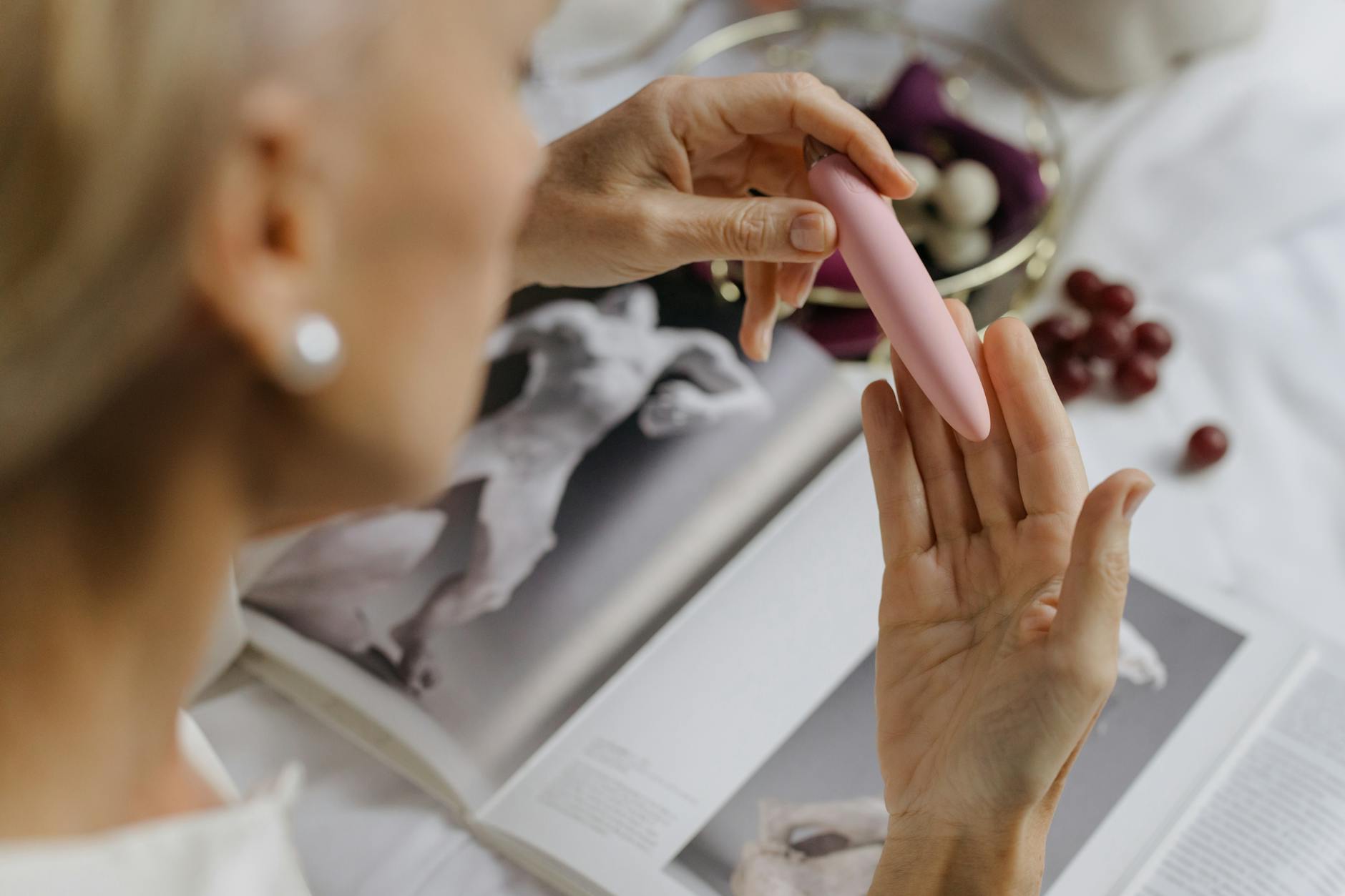
A lemon clitoral vibrator like the Lemon Toy works on stimulating the clitoris, which has a completely separate blood supply and lubrication system from the vagina. You can use a lemon vibrator without any internal contact at all. For people dealing with dryness, this is huge.
The clitoris also has roughly 8,000 nerve endings concentrated in a small area. That density means you get a strong signal with gentler stimulation. You don't need deep friction or internal movement to feel something. You just need the right pattern and a bit of time.
If you've been using vibrators internally and that's started to feel uncomfortable or painful, switching to clitoral stimulation with a lemon toy can completely transform the experience. You're not limited. You're redirecting.
The lubrication piece (and it matters)
Okay, so here's where people get confused. You might think that if your vagina is dry, using any kind of toy is automatically off limits. That's not true. But you do need to be thoughtful.
If you're only using external clitoral stimulation (which is what a lemon vibrator is designed for), lubrication is less critical than you think. The vibrator isn't moving inside you. You're not creating friction against dry tissue. You're using focused vibration on the outside.
That said. Water-based lubricant still helps. It makes the experience more comfortable, reduces any irritation, and honestly, it feels better. So use it. Apply a little to the toy or to your skin before you start. It doesn't need to be a lot. A dime-sized amount is enough.
Avoid silicone-based lubricants if you're using a silicone toy like the Lemon Toy, because silicone lube can degrade silicone products over time. Stick to water-based.
Starting slow when you're dealing with dryness
Your tissue is more sensitive when it's dry. That means you need a slightly gentler entry point than you might otherwise use. I recommend starting with a lower intensity setting on your lemon vibrator. Most modern toys like the Lemon Toy have multiple speeds and patterns. Begin at level 1 or 2. Spend 3 to 5 minutes there. Get a feel for how your body is responding.
One thing I've noticed working with clients is that impatience is the biggest mistake people make. You want sensation to build quickly. But when tissue is compromised, rushing creates discomfort. Giving yourself time actually speeds up pleasure because you're not spending the session managing pain or irritation.
If level 1 feels good after a few minutes, move to level 2. If you want more intensity, great. If level 1 is perfect, stay there. Your pleasure isn't measured by intensity. It's measured by whether you feel good.
Positioning and angle matter more than you think
When you're using a clitoral vibrator while dealing with dryness, where you position it makes a real difference. Direct, hard pressure on the clitoris can feel overwhelming or even uncomfortable when the surrounding tissue is irritated.
Try positioning the vibrator slightly to the side of the clitoris instead of directly on top. Or use it with a softer, glancing contact rather than pressing firmly. You're not trying to hammer the spot. You're creating a gentle hum of sensation.
Angle matters too. Some people find that angling the vibrator slightly downward or upward changes what they feel. Play around. Your body will tell you what works. The beauty of external clitoral stimulation is that you can experiment without any pain risk.
When to add lube, when to see a doctor
Use water-based lubricant every time you're using a lemon vibrator if you're dealing with dryness. It's not an emergency measure. It's just part of the process. It keeps tissue safe and makes pleasure more likely.
That said. If you're experiencing pain during sex (with a partner or solo), if dryness is severe enough that even external touch feels uncomfortable, or if it's affecting your quality of life, talk to your doctor. Genitourinary syndrome of menopause (GSM) is real and it's treatable. Topical estrogen creams work fast. Some people also benefit from vaginal moisturizers you use a few times a week, separate from sex. These aren't emergency interventions. They're practical tools.
Your doctor should be your partner in this conversation, not someone you're embarrassed to talk to. They've heard it before. They can help.
The emotional piece
Dryness sometimes arrives with a story we tell ourselves. That our body is failing. That pleasure is harder now. That we should just accept less. I'm going to push back on that gently.
Your body isn't failing. It's adapting. You're learning a new way to feel good. That's not loss. That's evolution. How to Use Lemon Clitoral Vibrators When You Have Vaginismus or Pelvic Floor Tension actually walks through some of that same tissue sensitivity piece if you're curious.
If you're in a relationship, be honest about what's changing. "I want us to try something different" is a real conversation. How to Use Lemon Vibrators With Your Partner When You're on Different Schedules talks through some of those logistics. Dryness isn't a sign that your sex life is ending. It's a sign that it's shifting into a new shape.
FAQ: Dryness and Clitoral Vibrators
Can I use a lemon vibrator if I have severe vaginal dryness?
Absolutely. Since lemon clitoral vibrators work externally on the clitoris, they're actually ideal for people with dryness because you're not creating friction against dry vaginal tissue. Start with lower intensity and always use water-based lubricant on the toy or your skin. If the area around the clitoris feels irritated, take a break and talk to your doctor. But dryness alone isn't a reason to avoid pleasure.
Does lubricant make a difference with clitoral vibrators?
Yes, even though you're working externally. Lubricant reduces friction, keeps skin comfortable, and honestly just feels better. Use a water-based lube. Apply a small amount to the vibrator or your body before you start. You don't need a lot. A dime-sized amount goes a long way.
What if water-based lubricant isn't enough?
If standard water-based lube isn't working and dryness is really severe, ask your doctor about hyaluronic acid-based lubricants or vaginal moisturizers. Some people also benefit from topical estrogen cream applied a few hours before sex. These aren't last resorts. They're normal tools. Your doctor can recommend what fits your situation.
Can dryness get worse if I use vibrators?
No. Using a vibrator doesn't cause dryness to get worse. But using a vibrator incorrectly (pressing too hard, starting at high intensity, skipping lubricant) can create temporary irritation. Use water-based lube, start low on intensity, and position gently. You're not making anything worse by being thoughtful about it.
How long does it take to feel pleasure when you're dealing with dryness?
Pleasure timelines shift a bit. Instead of 5 to 10 minutes to arousal, you might need 15 to 20. That's not a problem. It's just different. Some people find that the orgasms they reach feel even more intense because they had more time to build. Take the time your body needs. It's worth it.
Should I see a doctor before using a vibrator if I have dryness?
You don't need permission. But if dryness is severe, painful, or affecting your daily life, absolutely see a doctor first. They can rule out infections, discuss treatment options, and make sure everything is safe. It's a quick conversation. And it usually leads to real solutions.
The bottom line
Dryness is a physical situation, not a verdict on your sexuality. Your body is still capable of pleasure. You just need to adjust your approach. A lemon vibrator, used thoughtfully with lubricant and at the right intensity, works brilliantly for people in this situation. You're not compromising on pleasure. You're being smart about it. And that smartness usually leads somewhere really good.