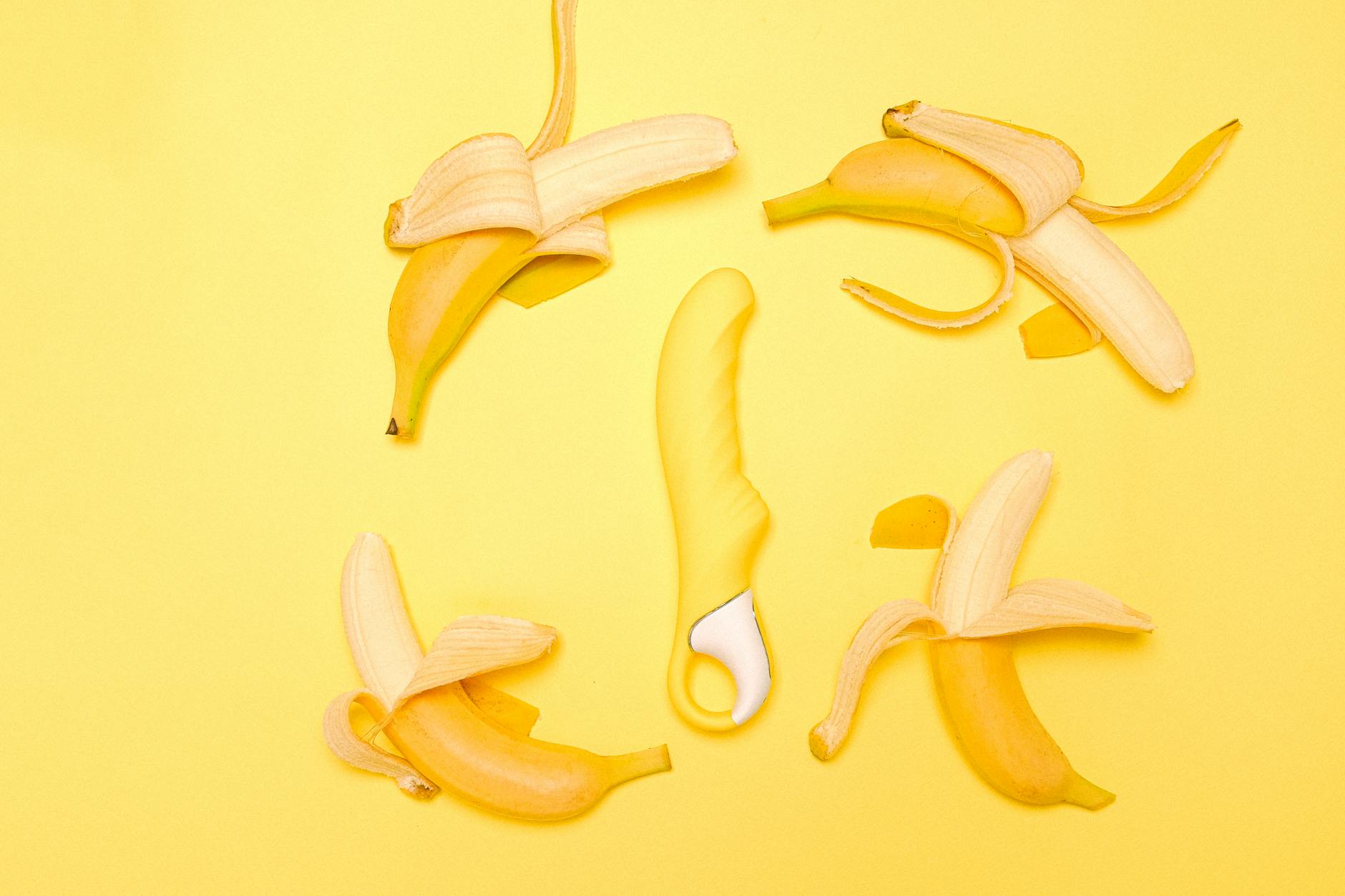
Here's what nobody tells you about desire
Your pleasure doesn't stay static. A job loss, a career win, a relationship ending, moving to a new city, becoming a parent, empty nest, health changes. These aren't just things that happen around your sex life. They rewire your sex life. The things that used to turn you on might feel flat now. Things that never appealed to you might suddenly make sense. That's not a malfunction. That's your brain and body telling you something real.
Most of us treat shifting desire like a problem to fix. Actually, it's information to read. And lemon vibrators, when you approach them right, become a tool for that reading.
Why major life changes mess with desire
It's not mystical. It's neurochemistry and psychology tangled together.
When you go through a major transition, your brain releases cortisol. You're in a low-level threat response, even if the change is objectively positive. Your amygdala is activated. Your prefrontal cortex (the part that handles pleasure and exploration) goes quieter. Simultaneously, your sense of self is reorganizing. A big change forces you to answer the question: who am I now? Until that settles, your pleasure preferences often settle too.
Add in the emotional reality: if the transition involves relationship change, grief, loss, or even exciting newness, your nervous system has a lot going on. Desire is one of the first things that gets redirected elsewhere or turns down entirely.
This is why generic advice about "just relax" or "use more lube" often misses the point. The issue isn't mechanical. It's existential.
The desire inventory: what's actually changed
Before you reach for a lemon clitoral vibrator thinking something is wrong with you, spend a week or two noticing:
Has your baseline libido shifted? Are you thinking about sex less, or just thinking about it differently? These are different problems. Baseline libido drop often points to stress, hormones, or depression. A shift in what you want often points to identity reorganization.
Has the type of pleasure that appeals to you changed? If you used to love fast, intense sensation and now that feels overwhelming, that's worth noting. If you used to want a lot of buildup and now you want to get there faster, also worth noting. These aren't random. They map onto your nervous system state.
Has your relationship to solo pleasure versus partnered pleasure changed? Some people go through seasons of wanting only solo pleasure. Others lose interest in solo stuff because partnered intimacy has shifted. Neither is better. But knowing which one is happening tells you what to address.
Has what you need from your partner (if you have one) changed? Sometimes a life transition that has nothing to do with your relationship still changes what you need from it. You might need more grounding. Or less. Or different timing. Or permission to take things slower.
The lemon vibrator reset
Here's how to use lemon clitoral vibrators during a season of shifted desire without forcing it.
Start with curiosity, not goals. Forget about whether you're going to orgasm. Forget about being able to orgasm in a certain timeframe. Use a lemon sucker vibrator the same way you'd test a new recipe. What patterns feel good right now? What intensity? What speed? What rhythm? If you're using the device for the first time during a transition, you're learning your own pleasure map under new conditions. That's the entire assignment.
Use lower intensity settings first. When desire has shifted, intense sensation sometimes reads as threatening rather than pleasurable. Start on the lowest setting. Let your nervous system get comfortable. You can always turn it up. You can't un-ring that bell of overstimulation.
Pay attention to timing. Some people find that right after a major transition, they need way more foreplay time than usual. Others need less. Some people's pleasure window opens at a completely different time of day. These aren't character flaws. They're data. If you notice your body responding better to pleasure attempts at 7 a.m. than 11 p.m., that matters. Work with it instead of against it.
Separate solo exploration from partnered sex for a while. If you have a partner, it's tempting to assume that using lemon vibrators solo means you're "taking from" partnered time or that you need to bring that same energy back to bed with them. You don't. Solo pleasure during a transition is often about regaining your own baseline. Let it be its own thing for a few weeks. Partnered sex can evolve separately.
When to talk to your partner about this
If you're in a relationship, shifted desire becomes a two-person conversation pretty fast. Here's the frame that usually works:
Don't lead with "something's wrong with my desire." Lead with "I'm noticing our dynamic is shifting because of X change, and I'm figuring out what I need right now." That moves you from problem-focused to collaboration-focused.
Be specific. "I'm less interested in quickies" is more useful than "my libido is low." "I need 20 minutes of time to myself before I can be present" is more useful than "I don't feel ready."
If your partner is also willing to explore with tools like lemon sexual toys, great. If they're not, also fine. A lot of people find that using a clitoral vibrator solo actually gives them the information they need to ask for something different from their partner. You learn your own rhythm. Then you can ask for that rhythm in partnered contexts.
The timeline question
One thing I hear a lot: "How long until my desire goes back to normal?" Here's the honest answer. It depends on the transition. A job change might take three months for your nervous system to settle. A relationship ending might take six to eighteen months. Empty nest can be a year or more. A major health event can reshape desire permanently. And sometimes "back to normal" isn't the destination. Sometimes you're building a new normal.
Use lemon vibrators as a marker. If you notice your interest in solo pleasure returning, that's usually a sign your nervous system is downregulating. If you're enjoying variety and intensity again, another sign. These aren't the only markers, but they're useful ones.
When desire doesn't return
If it's been longer than you'd expect and you still feel nothing, or if desire is now tied up with pain or dissociation, that's the moment to bring in a professional. A sex therapist or relationship coach can help you figure out whether this is still part of the transition or whether something else needs attention. Sometimes a major life change unmasks something that was already there. Sometimes it genuinely creates something new that needs support.
The lemon clitoral vibrator is a great tool for exploration. It's not a replacement for that professional conversation.
The permission piece
Here's what I notice most with clients going through major transitions: they're angry at their own desire for shifting. They feel betrayed by their body. "Why don't I want this anymore? Why can't I just be normal?"
You're not broken. You're changing. That's exactly what you're supposed to do when your life changes. Your desire isn't a fixed trait. It's a living thing that responds to context. When you fight that, you make it worse. When you get curious about it, you usually find something useful on the other side.
Use the tools. Pay attention. Let your pleasure teach you something about where you actually are right now.
Frequently asked questions
How long after a major life change should I wait before using lemon vibrators again?
You can use them whenever you want. There's no waiting period. But the goal might be different right after a transition than it is three months later. Right after, it might be pure exploration. Later, it might be reclamation. Let the intention shift naturally.
What if my partner feels threatened by me using lemon clitoral vibrators during a transition?
That's worth a separate conversation from the transition itself. Sometimes partners worry that solo pleasure means you're pulling away from them, especially when intimacy is already fragile. Reassurance helps. So does clarity: "This is me taking care of myself so I can be present with you." If the concern persists, couples therapy is worth considering. How to Use Lemon Vibrators When You and Your Partner Have Different Pleasure Preferences covers this more deeply.
Can using a lemon sucker vibrator actually help me figure out what I want after a major change?
Yes. Your body knows things your brain doesn't yet. What sensations feel good, what intensity, what rhythm. Those are clues about your nervous system state and your pleasure needs. Pay attention to those clues.
What if I feel guilty about prioritizing my pleasure during a hard transition?
Guilt is real. It's also sometimes a remnant of messaging that your needs matter less during chaos. They don't. Actually, taking care of your own pleasure during hard times is a form of self-preservation. Explore that guilt if it's loud. But don't let it stop you.
Is it normal for desire to feel totally different after life changes?
Completely normal. Totally predictable. Your brain and body are reorganizing. Desire always reorganizes with them. This isn't a sign you need therapy. It's a sign you're alive and responsive to your circumstances.
Should I try new types of lemon vibrators or stick with what I know?
Both approaches work. Some people find that sticking with what they know is grounding during transitions. Others find that exploring new sensation helps them feel more in control. You're allowed to experiment or play it safe. Your preference is the right one.
Let yourself evolve
Desire isn't loyalty. It's not a promise. It's not a character trait. It's a living system that's supposed to shift and grow with you. When a major life change happens, your pleasure gets to change too. That's not a problem. That's evolution. Use the tools that help. Pay attention. Trust what your body tells you. And if you need support figuring it out, that's what resources like How to Use Lemon Vibrators When You Want More Sensation Without Irritation and professional support are for. You've got this.