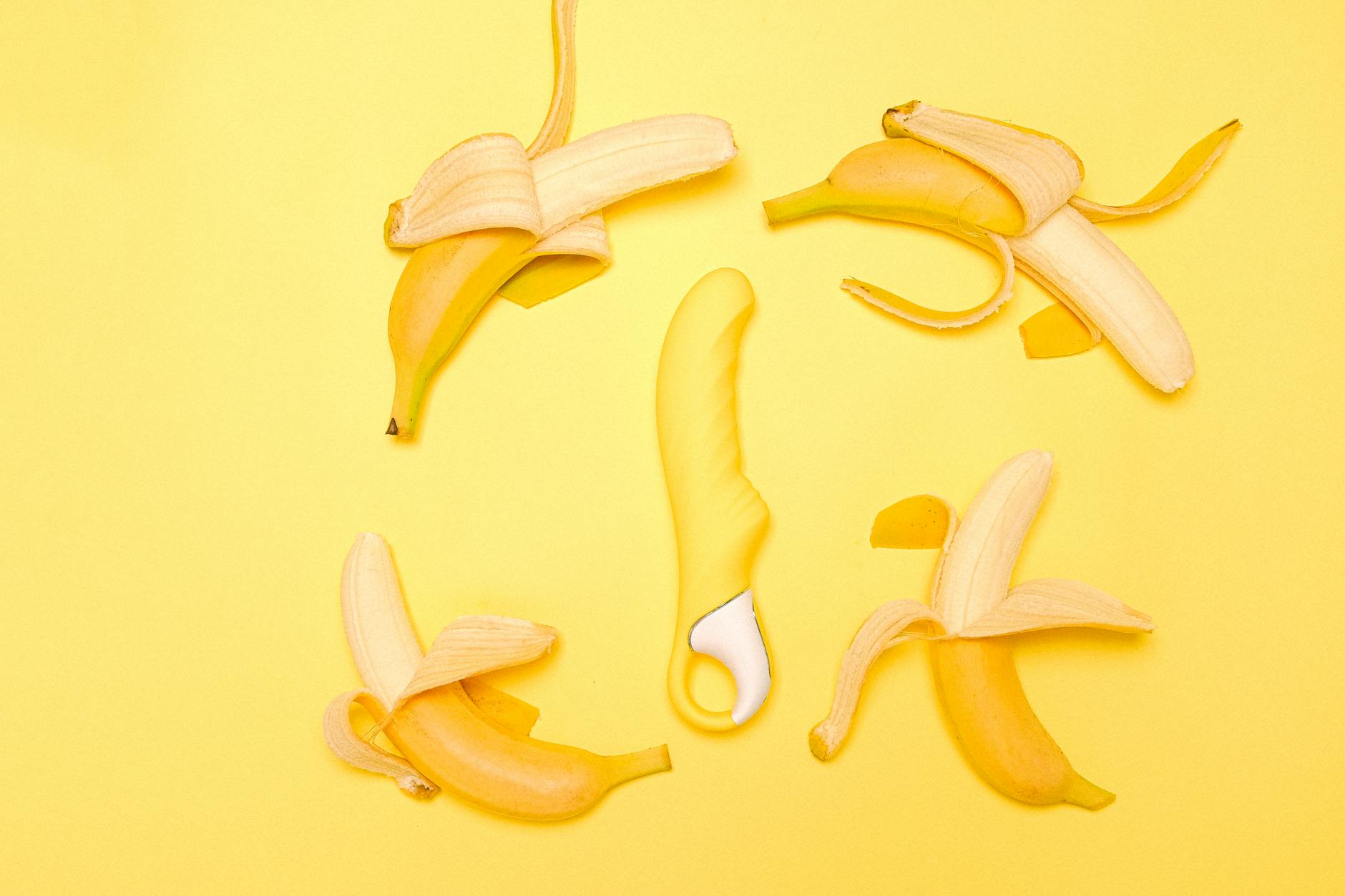
How to Use Lemon Vibrators When You Want Stronger Orgasms Later in Life
Let's talk about what actually changes
Orgasm intensity is not fixed. It shifts. But here's what most people get wrong about aging and pleasure: they assume that shift is always downward. Sometimes it is. Often it's sideways, which people mistake for loss. And sometimes, if you know what you're working with, it goes deeper.
Most of my clients over 40 report that their orgasms feel different. Fewer say they feel worse. The ones who feel better? They've usually made one intentional shift: they've stopped chasing the same sensation they had at 25 and started asking what works now.
Why orgasm intensity changes after 40
Three things are happening physiologically. First, blood flow patterns shift slightly. The clitoris still has the same nerve density. It's not numb. But the speed of engorgement changes, which means the build feels different. You might notice it takes longer to reach that peak sensation. Second, pelvic floor muscle tone decreases with age unless you're actively maintaining it. This doesn't mean orgasms disappear. It means the muscular architecture that propels sensation feels different. Third, hormone levels drop gradually, which changes how responsive tissue is to stimulation.
Here's what doesn't change: your capacity for pleasure. Your brain's reward circuits. Your clitoral nerve structure. The ability to have multiple, intense orgasms. If anything, many people report more consistent, satisfying orgasms after 40 than before because they're less in their head and more attuned to what actually works.
Why lemon clitoral vibrators work differently as you age
Lemon vibrators, especially the Lem and similar suction-based devices, work through air-pulse technology rather than pure vibration. This matters because of how sensation changes with age.
When you're younger, direct vibration at high frequency can feel obvious and sharp. As tissue becomes less densely packed and slightly thinner, that same vibration can feel less nuanced. But suction-based stimulation bypasses that problem. It doesn't rely on surface vibration at all. Instead, it creates rhythmic pressure changes that engage the entire clitoral structure. For people over 40, this often feels more satisfying because it's working with deeper tissue, not just surface stimulation.
The suction approach also means you don't need to chase intensity. You can achieve deeper sensation at lower power settings, which translates to longer, more sustainable pleasure. This is huge. Most people in their 20s use vibrators as a tool to reach orgasm as quickly as possible. People over 40 who've shifted their approach tend to use them as a way to explore sensation over a longer timeframe, which often leads to stronger, more whole-body orgasms.
Building intensity intentionally
Four practices make a measurable difference.
1. Extend the warm-up phase. This isn't about waiting longer. It's about training your nervous system. Spend 20 to 30 minutes with low-intensity stimulation. Start at pattern one or two on a lemon clitoral vibrator. Let your body gradually build arousal instead of jumping straight to peak. This creates a deeper physiological response because you're engaging the entire arousal cycle, not just the final sprint. Think of it like a slow build rather than a sudden rush. The orgasm that follows is often more intense because you've spent time in the full arousal pathway.
2. Pelvic floor engagement matters. This is counterintuitive. Many people assume they should relax completely. Some relaxation is necessary. But deliberate pelvic floor contractions during stimulation amplify sensation significantly. Practice Kegels, yes, but also practice the rhythm: contract for two seconds, release for two seconds. When you use a lemon vibrator, match your contractions to the suction pattern. This synchronization deepens sensation in ways that passive use can't match.
3. Mental presence is doing heavier lifting than you think. Over 40, distraction is the biggest orgasm killer. Not age. Not hormones. Distraction. If you're thinking about tomorrow's schedule or whether you're "taking too long," your nervous system literally cannot access peak sensation. This is neurobiology, not attitude. Protect your space. Remove your phone. Tell your partner not to interrupt. Give your brain permission to focus entirely on sensation. Many of my clients report that this single shift makes orgasms 40 to 50 percent more intense.
4. Positioning and angle matter more now. When you're young, most stimulation approaches work equally. As tissue remodels slightly with age, angle becomes critical. If you're using a lemon vibrator solo, experiment with positioning the device at different angles rather than straight-on pressure. Many people find that a slight downward or upward angle engages sensation more deeply. With a partner, the angle at which the device is held affects how pressure distributes across the clitoral structure. Small adjustments create big changes in intensity.
The solo versus partnered question
Here's something I wish more people knew: solo use of a lemon clitoral vibrator often produces stronger orgasms after 40 than partnered use.
Not because partnered sex is worse. But because you have complete control. You know exactly what pressure, speed, and angle works. You can breathe the way you need to. You can contract your pelvic floor at precisely the right moment. You don't have to manage someone else's rhythm or respond to what they're doing. For people in midlife relationships especially, solo time with a vibrator isn't a substitute for partnered sex. It's a research project. You're learning your own body's current language. That knowledge translates back into partnered sex because now you can actually communicate what works.
If you're using a lemon vibrator with a partner, apply the same principles. You control the device, or your partner holds it while you guide the angle and intensity. The person being stimulated should be directing: "slightly higher," "slower pattern," "more pressure." This isn't complicated or unsexy. It's how you actually find what feels best.
Common intensity blocks and how to move through them
Some people over 40 find that they're reaching orgasm but the intensity feels flatlined. This usually points to one of three issues.
Medication-related dulling. If you're taking antidepressants, blood pressure medication, or hormonal treatments, they can genuinely reduce sensation. This isn't a mood issue. It's chemical. Talk to your doctor about timing. Some people find that taking their medication after sex rather than before makes a difference. Others use topical estrogen or testosterone in the area to increase local sensation. Don't assume this is permanent. Adjustments often help significantly.
Desensitization from overuse. If you're using a lemon vibrator daily at high intensity, your nervous system habituates. You need more stimulation to feel the same response. This is why many people benefit from stepping back to three or four times weekly and dialing down intensity. When you use the device again after a break, sensation is sharper.
Disconnection from your body. This sounds abstract, but it's practical. Midlife often brings stress, body image shifts, and mental fatigue. If you're not actually present during stimulation, orgasms feel thin. Reconnect through breathing. Try taking a warm bath before use. Self-massage your thighs and abdomen before introducing the vibrator. These aren't luxury steps. They're how you reestablish nervous system connection, which is how intensity returns.
When intensity shifts point to something deeper
If orgasm intensity has dropped significantly and none of these approaches help, check in with a doctor. Not because something is wrong with you. But because sometimes intensity loss flags treatable conditions: low testosterone, thyroid changes, pelvic floor dysfunction, or medication side effects. A gynaecologist or menopause specialist trained in sexual health can run basic labs and point you toward solutions. This is normal healthcare, not embarrassing.
Intensity isn't everything. But if you want it, it's usually available. It just requires honesty about what's shifted and willingness to adjust your approach.
FAQ: Stronger Orgasms and Lemon Vibrators After 40
Can you have stronger orgasms using a lemon vibrator after 40 than you did when you were younger?
Yes, absolutely. Many people do. The sensation might feel different because the physiology has shifted, but intensity and satisfaction are not the same as the intensity of a younger orgasm. You might experience deeper, more whole-body sensations at 45 than at 25, especially if you're using a tool like a lemon clitoral vibrator that works with suction rather than just vibration. The key is matching your approach to how your body is actually responding now, not trying to recreate sensations from the past.
How long should I use a lemon vibrator to achieve stronger orgasms?
There's no universal time. Most people find that 15 to 30 minutes of foreplay plus 5 to 15 minutes of direct stimulation produces stronger results than the quick approach. But start where you are. If you usually come in five minutes, try adding five minutes of very low-intensity buildup. Extend gradually. Longer stimulation gives your nervous system time to fully engage, which typically produces more intense sensations.
Does pelvic floor strength actually affect orgasm intensity with vibrators?
Yes. A stronger pelvic floor contracts more forcefully during orgasm, which amplifies sensation. You don't need to have a perfect pelvic floor, but consistent Kegels do help. More importantly, practicing voluntary relaxation of the pelvic floor also matters because holding tension blocks sensation. Think of it as a dial. Train your pelvic floor to be strong and responsive, then practice releasing it completely. That range creates more intense sensation than constant tension or constant relaxation.
Why does positioning the lemon vibrator at different angles change how strong the orgasm feels?
Your clitoris isn't just the small external bump you see. It's a complex structure that extends internally. Direct pressure straight-on activates one part. Angled pressure activates different branches of the clitoral nerve. As tissue changes with age, some angles engage sensation more deeply than others. Experiment. Note what angle feels best. That becomes your reference point.
Can I use a lemon clitoral vibrator every day and still have strong orgasms?
Maybe, but probably not. Daily high-intensity use often leads to habituation. Your nervous system adapts and needs more stimulation to feel the same response. Most people over 40 find that three to four times weekly at moderate to high intensity produces stronger, more satisfying orgasms than daily use. If you want daily use, keep most days at very low intensity and save higher settings for one or two times weekly.
What if I'm taking antidepressants or other medications and lemon vibrators feel less intense?
This is common and usually solvable. First, talk to your prescriber. Timing adjustments sometimes help. Some antidepressants are less likely to affect sensation than others. Some people find that topical estrogen cream applied to the clitoris 30 minutes before use increases local blood flow and sensation. Others benefit from short breaks of a few days between uses, which can reset sensitivity. You might also explore different vibrator patterns. The suction-based approach of the Lem often feels more intense than traditional vibrators for people on medications that dull sensation.
What stronger orgasms actually mean
Let's be honest about what we're really talking about. Intensity isn't just about physical sensation. It's also about presence, connection to your body, and the quality of arousal that precedes orgasm. Some of the strongest orgasms my clients report come not from using vibrators at maximum power, but from using them thoughtfully, with full attention, in a protected space where they can actually let go.
Your body at 40, 50, or beyond is not broken. It's different. And if you're willing to learn its current language instead of demanding it speak the dialect of your younger years, pleasure deepens. That's not compromise. That's maturation.
Resources
- Komisaruk, B. R., Beyer-Flores, C., & Whipple, B. (2006). The Orgasm Answer Guide. Johns Hopkins University Press.
- Minkin, M. J., & Wright, C. V. (2016). A Woman's Guide to Sexual Health. Yale University Press.
- Langer, E. J. (2009). Counterclockwise: Mindful Health and the Power of Possibility. Ballantine Books.