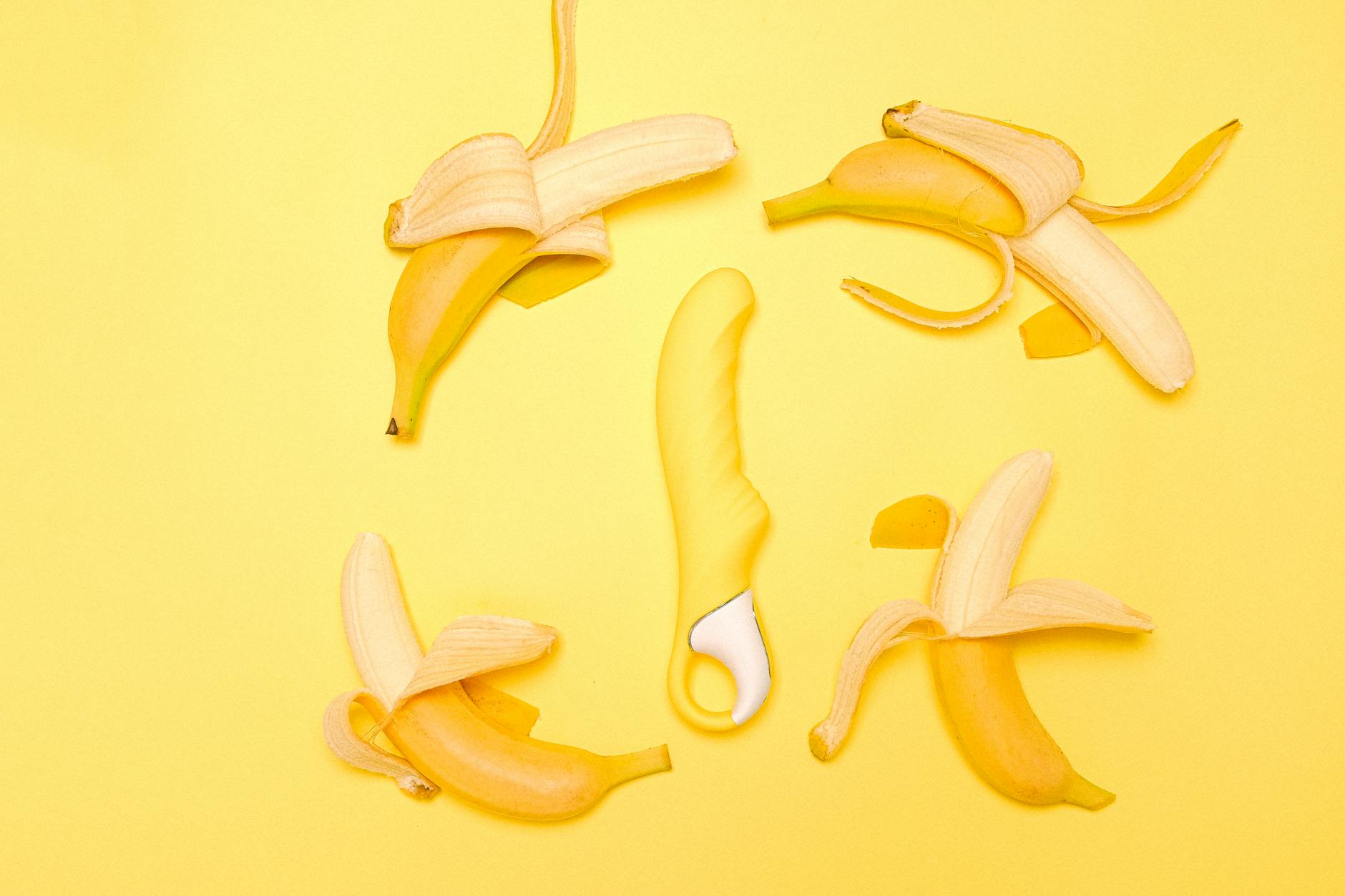
How to Use Lemon Vibrators When You Take Hormonal Birth Control
Let's be real: hormonal birth control doesn't just prevent pregnancy. It rewires how your body responds to pleasure. Your arousal timeline changes. Your sensitivity shifts. The intensity of orgasm can flatten or, weirdly, deepen depending on the formula and your individual chemistry.
Most people don't expect this. You get on the pill (or the patch, or the ring, or the shot) thinking nothing changes except your period. Then six weeks in, you notice your partner's usual move doesn't quite land the way it used to. Or sex takes longer to feel good. Or it feels different, which is fine, but you haven't figured out what different actually means yet.
Here's what I see in my practice over and over: people blame the relationship, blame their partner, blame themselves. They rarely zoom out and ask, "Did my body chemistry literally change?" The answer is almost always yes. And once you know that, using lemon vibrators—and adjusting how you use them—becomes a conversation with your own biology, not a failure of desire.
What hormonal birth control actually does to arousal
Hormonal contraceptives suppress or flatten your natural hormone cycle. Depending on the method, you're running a steady, lower dose of synthetic hormones instead of the peaks and valleys you'd have without them.
This changes three things:
Dopamine and motivation to seek pleasure. Dopamine drops slightly on hormonal birth control. You might not initiate sex as often. You might need more external stimulus (read: lemon clitoral vibrators) to feel the chain reaction in your brain that says "yes, this is good, keep going." This isn't laziness. It's chemistry.
Genital blood flow and tissue sensitivity. Estrogen keeps blood flow to genital tissue robust. Lower estrogen (which many birth control formulas provide) means slightly less engorgement, which can make direct stimulation feel less intense initially. The upside: you might need longer warm-up time, but orgasms, once they arrive, can feel sharper and more focused because the sensation is concentrated rather than diffused.
Lubrication production. Some people on hormonal birth control produce less natural lubrication. Not dramatically less, but noticeably less. Water-based lube becomes your friend, and it genuinely changes how lemon vibrators feel against your body. More glide, less friction, more pleasure.
Why your lemon vibrator might feel different now
If you've been on birth control for a few months and you're reaching for your lemon clitoral vibrator the way you used to—same patterns, same intensity, same timeline—and it's just not hitting the same, here's why.
Your arousal curve is flatter. The buildup is slower. On hormonal birth control, most people report needing 15-25 minutes of steady stimulation to reach the same intensity they reached in 8-10 minutes before starting the pill. This is completely normal. It's not a sign something's broken. It's your nervous system adapting to a new baseline.
The suction-based technology in lemon vibrators (and similar devices) works beautifully with this shift because it doesn't require intense pressure to build sensation. The gentle, rhythmic stimulation actually matches the slower-burning arousal pattern that birth control creates. You're not fighting against your body's new pace. You're working with it.
The adjustment period: what to expect in the first three months
Weeks 1-2 after starting hormonal birth control, most people feel relatively normal. The changes are subtle. By week 4, you might notice that orgasm feels distant or that you need more time to build arousal. This peaks around month 2-3, then usually stabilizes.
During this window, my advice is to give yourself permission to explore differently. Don't compare your pleasure to how it was before. Instead, think of this as learning a new version of your own body.
With a lemon vibrator during this adjustment phase:
Start lower on the intensity scale. If your device has seven patterns, begin at 2 or 3 instead of jumping to 5. Let your nervous system rebuild its sensitivity map without forcing it.
Double your warm-up time. Foreplay, external exploration, mental focus. Don't rush into direct clitoral stimulation. Give arousal room to build. When you finally bring the lemon vibrator into the picture, you'll notice a real difference in how it feels.
Track what shifts in weeks 2, 6, and 12. Your body might surprise you. Some people find that after the initial adjustment, their orgasms become more intense. Others find they prefer the slower burn. Data matters because it tells you this is temporary and evolving, not permanent and broken.
When sensitivity evens out: using your vibrator after month three
Most people stabilize around the 8-12 week mark on a new hormonal formula. Your body stops actively adjusting. Arousal patterns settle into a new normal. This is when you can actually figure out what you prefer about this version of your body.
Some people discover they like the slower build. It gives them more control over when orgasm happens. Others miss the speed and intensity of their pre-pill arousal and decide to switch formulas or methods (which is completely valid).
With lemon vibrators during this stable phase, you can actually choose how you want to use them instead of just trying to recreate what used to work. Try patterns you skipped before. Experiment with pressure levels. Pay attention to whether your orgasm feels different at different times in your pill cycle (yes, even on the pill, there are micro-fluctuations—you just have to look closer).
The pill-free week (or what it means for your pleasure)
If you're on a pill with a placebo week, that seven days matters. Hormones dip, and most people notice a real shift in arousal and sensation intensity. For some, this is when pleasure feels most accessible. For others, the drop in hormones flattens sensitivity even more.
If the pill-free week is your "sweet spot," plan accordingly. Use your lemon vibrator during that window when sensation feels richest. If it's your worst week, this is actually when lube becomes especially important and when lower intensity settings on your device work better.
Over time, you might notice your pleasure shifts slightly through your 28-day cycle. That's not random. That's your body responding to the micro-fluctuations in hormone levels, even on birth control.
Combination therapy: birth control + lube + lemon vibrators
Hormonal birth control + reduced natural lubrication + reduced dopamine = the need for external support to make pleasure feel as good as it used to. This isn't a deficiency. It's just a different equation.
The fix is simple: add lube, add your lemon clitoral vibrator, add time. Most people report that once they adjust their toolkit, pleasure becomes not just accessible again but actually richer because they're being more intentional about it.
Water-based lubricant (always water-based with silicone toys) changes everything. It reduces friction, removes the "too dry" sensation, and lets you focus on the vibration and sensation instead of physical discomfort. Pair that with a lemon vibrator at a moderate intensity, and you're working with your body's new chemistry instead of against it.
When to consider switching birth control methods
If you're six months into a hormonal method and pleasure is genuinely absent, not just different, it might be worth talking to your doctor about alternatives. Some formulas suppress arousal more than others. Lower-dose pills, different progestin combinations, or non-hormonal options (copper IUD, for example) might feel better to your body.
But here's what I tell people: give it three months minimum before you decide it's not working. Your body needs time to adjust, and your pleasure preferences need time to reveal themselves. A lemon vibrator during that window isn't a workaround for a failing method—it's actually your ally in figuring out whether the method is right for you.
The permission you actually need
Using a lemon vibrator on hormonal birth control isn't admitting that something's wrong. It's adapting to something new. Your body shifted. Your tool kit shifted with it. That's not failure. That's paying attention.
Many people feel weird about needing "help" (read: a vibrator) when they used to have orgasms more easily. But actually? Most of the people I work with who switch to lemon vibrators while on birth control end up keeping them because they prefer the orgasms they have with the vibrator to the ones they had before. The sensation is different. Sometimes different is better.
FAQ: Hormonal Birth Control and Pleasure
Will my arousal ever feel the same as before I started birth control?
Maybe, maybe not—and honestly, that's not the point. Most people's arousal does stabilize at a different baseline than it was pre-pill, but many describe it as deeper rather than diminished once they adjust. Think of it as a recalibration, not a loss. Some people switch methods and get back their old pattern. Others stay on the pill and find they prefer how pleasure feels now. Both are normal.
Can I use my lemon vibrator the same way I did before starting birth control?
You can, but you might not want to. The arousal curve is different, so starting at a higher intensity might feel abrupt or uncomfortable initially. Most people get better results by easing into it, starting at lower patterns, and letting stimulation build more gradually. After a few months, once your body adjusts, you can experiment more freely.
How long does the adjustment period actually last?
The intensity of changes peaks around weeks 3-8, usually stabilizes by week 12, and can take up to six months for some people to fully feel "normal" again. If you're experiencing ongoing issues with arousal or sensation after six months, that's worth mentioning to your doctor because not all birth control methods work equally for every body.
Does lube help if I'm on hormonal birth control and using a vibrator?
Yes, absolutely. Many people on hormonal birth control produce slightly less natural lubrication, and water-based lube genuinely transforms the sensation when you're using a lemon clitoral vibrator. It reduces friction, feels smoother, and actually allows you to feel the vibration more clearly. If you're not using lube and you're on hormonal birth control, try it. The difference is real.
Is it normal for my orgasms to feel different on birth control?
Completely normal. Hormonal birth control changes the biochemistry of arousal and orgasm. Some people's orgasms become less intense initially, then rebound and become sharper. Others find they're more consistent but less peaked. Your nervous system is literally working with different hormone levels, so sensation is going to shift. This usually stabilizes after a few months.
Can I use a lemon vibrator at any point in my pill cycle?
Yes, but you might notice the experience shifts slightly throughout your cycle. Even on hormonal birth control, there are minor fluctuations in hormone levels that can affect sensation. Some people find their clitoral vibrator feels amazing in their pill-free week and less responsive during active pill weeks. Others notice no difference. Track it and see what your body tells you.
Moving forward
Hormonal birth control changes your pleasure. That's not opinion, it's biochemistry. And yes, sometimes that feels like a loss. But it's also an opportunity to actually pay attention to what your body wants instead of assuming pleasure will always work the way it did before.
Lemon vibrators—designed with gentle suction technology—actually complement the slower arousal curve that birth control creates. You're not fighting your body's chemistry. You're matching it. That's not a compromise. That's alignment.
If you're navigating this shift and feeling stuck, or if you want to explore how different approaches might work better for your specific birth control method and body, reach out. This is exactly the kind of thing we can talk through together.
Your pleasure matters. Your body's changes matter. And you deserve tools and information that actually work with your biology, not against it.