The part nobody tells you about postpartum sensation
Let's be real. After you've given birth, your vulva has been through something. It's not broken. It's just temporarily rewired. Many people notice that clitoral sensation feels muted, distant, or weirdly numb for weeks or months postpartum. Some describe it as "touching through a blanket." Others say the usual hot spots feel cold. This isn't rare. It's not a sign something went wrong in labor. It's just what happens when pregnancy, childbirth, and the early recovery period collide with your nervous system.
The good news: sensation usually comes back. The better news: lemon vibrators are often the smartest tool for helping it come back faster, not because they're magical, but because of how they work neurologically during this specific phase of recovery.
Why postpartum sensation actually changes
Three things happen at once after birth. First, the pelvic floor endured serious stretching (whether you had a vaginal birth or a c-section, your pelvic floor was engaged during labor). That sustained pressure irritates the nerve endings that carry pleasure signals. Second, if you tore or had an episiotomy, scar tissue forms as healing happens. Even small scars can interrupt the nerve pathways that run through the perineal area. Third, if you're breastfeeding, prolactin rises and essentially suppresses your sexual nervous system. That's a survival adaptation. It's useful when you're sleep-deprived and need to focus on feeding. It's less useful when you want to feel like yourself.
On top of all that, hormones are chaotic. Estrogen stays depressed for months if you're nursing. Lower estrogen means thinner vaginal tissue, less natural lubrication, and yes, reduced clitoral sensitivity. The nerves aren't damaged. They're just less excitable.
The timeline you can actually expect
Here's what the research says. Most people regain baseline sensation between 3 and 6 months postpartum. Some feel it coming back by 8 weeks. Others don't feel "normal" again until after they've weaned. If you had a tear or episiotomy, add 1 to 3 months. The pattern is usually: tiny sparks of sensation return first (maybe during a shower, maybe random), then sensation gradually fills in. It's not an on-off switch. It's a dimmer that slowly gets brighter.
If it's been more than 6 months and nothing has shifted, that's worth mentioning to your GP or pelvic floor physiotherapist. Sometimes scar tissue needs manual release. Sometimes hormones need extra support. But in the first few months, waiting is often the most important thing you'll do.
How lemon clitoral vibrators actually help
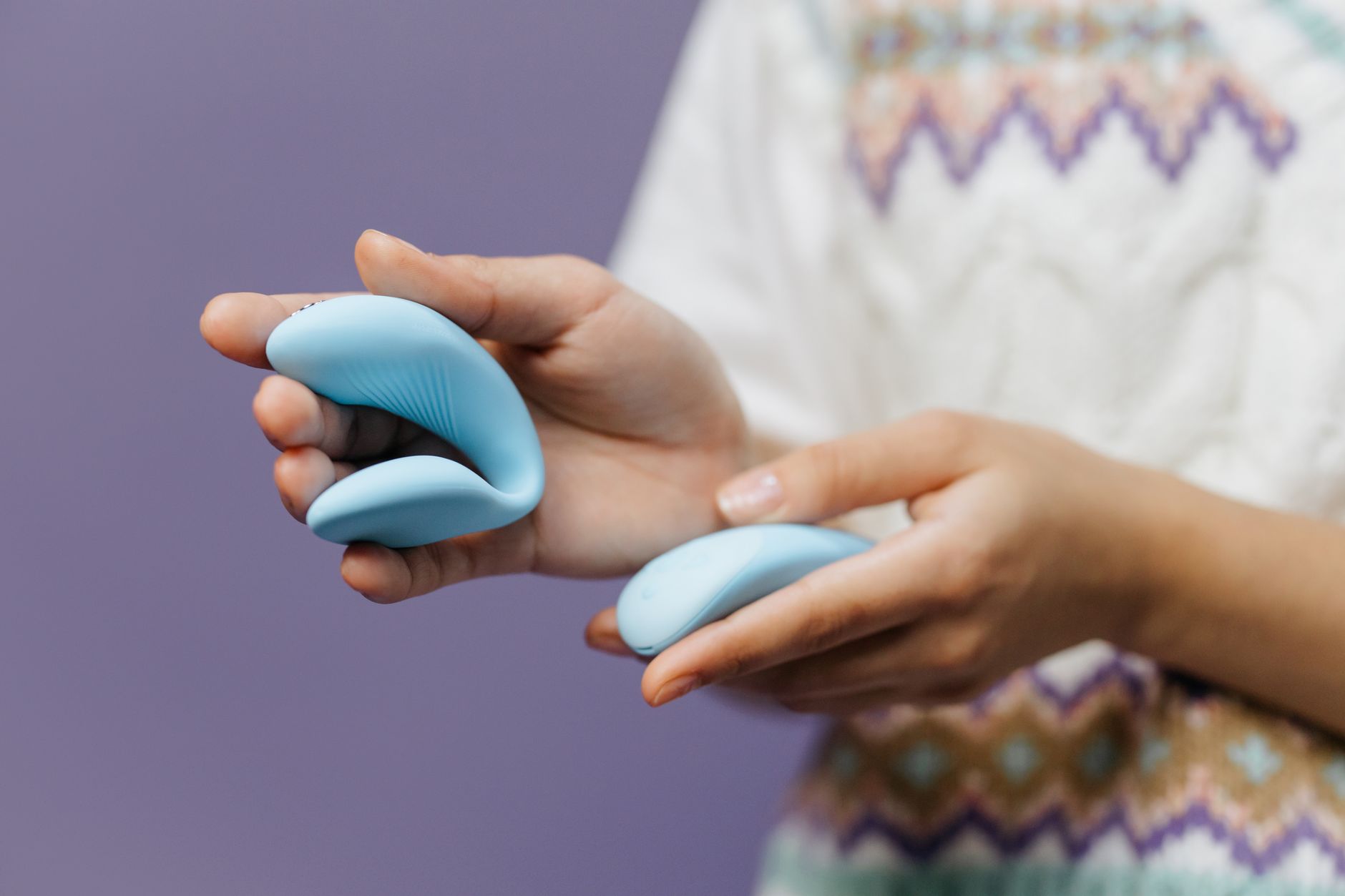
Lemon vibrators work during postpartum recovery in a way that your hand alone can't. When sensation is muted, you need consistent, targeted stimulation to "wake up" the nerve endings. A vibrator like the Lem does that more effectively than manual touch because it provides steady micro-movements that reach deeper tissue without requiring you to apply pressure yourself.
Here's why that matters postpartum specifically. Your pelvic floor is still tender. Manual pressure can actually trigger tension or mild pain if you haven't healed fully. A lemon clitoral vibrator delivers sensation through the suction mechanism, which stimulates without direct friction. You control the intensity. You're not relying on hand strength or pressure. And because the Lem uses a suction-based pattern rather than vibration alone, it can reach tissue that standard buzzers miss.
The secondary benefit: using a vibrator gives your brain permission to prioritize pleasure when you're in recovery mode. Most postpartum people are running on fumes. The idea of "having to initiate sex" or "perform" feels impossible. A lemon vibrator makes solo exploration feel low-stakes. You're not trying to have an orgasm. You're relearning what sensation feels like. That removes the pressure that often blocks pleasure even when the nerves are ready.
The practical setup that works postpartum
If you're going to try a lemon vibrator during early recovery, timing matters. Best window: after the six-week clearance from your GP, and ideally when someone else is watching the baby for at least 20 minutes. You need mental space, not anxiety about the baby waking up.
Start with the lowest intensity setting. Seriously. Postpartum tissue is sensitive to overstimulation. More sensation isn't better. Consistent, gentle sensation is better. You're not chasing an orgasm. You're literally training your nervous system to recognize pleasure signals again.
Use a water-based lubricant even if you think you won't need it. Postpartum dryness is real, especially if you're nursing. A good lube makes the experience comfortable instead of uncomfortable. It also helps the vibrator glide smoothly without friction burning sensitive healing tissue.
Expect it to feel weird at first. Numb. Strange. Weirdly intense in one spot and dead in another. That's normal. Your nervous system is remembering how to be excited. Sit with it for a few minutes. If it starts to hurt, stop. If it feels neutral or mildly pleasant, keep going. You're not looking for fireworks. You're looking for a baseline signal that says "yes, my body can still feel this."
When your partner is part of the picture
If you're with a partner, this is a moment where communication matters wildly. Many partners feel rejected or confused when postpartum sensation drops. They might think you're not attracted to them anymore. The truth is neurological, not relational. Separating those two conversations prevents resentment from piling on top of healing.
One approach: introduce the lemon vibrator as part of foreplay rather than as a solo tool. Your partner can hold it while you focus on the sensation. Or they can use their hands while you use the vibrator. This does two things. It keeps physical intimacy on the table without requiring you to perform sensation you don't have yet. And it gives your partner a concrete way to support your recovery instead of feeling helpless.
Make sure they know this isn't about them. Say it directly. "My body is rewiring after birth. This is temporary. Using a tool helps my nervous system remember how to be excited. That's not about how I feel about you. It's about healing." Most partners get it. Some need to hear it more than once.
Recovery milestones and what to expect next
Week 6 to 12: Sensation is returning but still patchy. Lemon vibrators on the lowest setting feel helpful. Orgasms might be possible but feel different. Shorter. Flatter. That's normal.
Week 12 to 24: Sensation fills in more steadily. You might notice pleasure returning during partnered sex. Lemon clitoral vibrators start to feel more like a tool for enhancement rather than a recovery aid. Orgasms start feeling closer to baseline.
Month 6 plus: If you're not nursing, hormones stabilize and sensation usually normalizes. If you're still nursing, expect another 2 to 3 months. Lemon vibrators now feel like just another toy in the rotation, not a medical necessity.
If you hit month 6 or 7 and sensation still feels completely absent, that's the moment to book a pelvic floor physio appointment. Sometimes scar tissue needs help. Sometimes hormones need support. But most of the time, the body heals itself if you give it patience and the right tools.
The emotional piece nobody talks about
Postpartum is already overwhelming. Adding reduced sensation on top of "I haven't slept, my body doesn't look like mine, and I'm leaking from multiple places" creates a special kind of existential despair. You might feel broken. Unsexy. Disconnected from your body. That's grief, and it's valid. Many postpartum people go through a phase where they mourn the pre-birth version of their sensuality. That's a real stage of recovery, not something to skip over.
Here's what I tell clients: your sexuality didn't go anywhere. It's just temporarily dormant. And that dormancy has an end date. Using a lemon vibrator isn't about forcing pleasure. It's about staying in conversation with your body while it heals. It's a vote of confidence that sensation will return. And for most people, it does.
FAQ
Is it safe to use lemon vibrators if I had a tear or episiotomy?
Yes, but wait until the area is fully healed. Most GPs clear you for internal penetration around 6 weeks if there was no tear, or 8 to 12 weeks if there was. External clitoral stimulation with a lemon vibrator can usually start earlier, especially if you're gentle. Check with your GP or pelvic floor physio first. They know your specific healing timeline.
Can using a lemon vibrator slow down the return of sensation?
No. The opposite is actually true. Gentle, consistent stimulation helps retrain nerve pathways. What slows down sensation return is pressure and pain, which cause your nervous system to protect the area. If a vibrator causes pain, stop. If it feels neutral or pleasant, it's helping.
What if I have no desire for anything sexual postpartum, even when sensation returns?
Desire and sensation are different things. You can have sensation return and still feel zero sexual interest. That's often hormonal if you're nursing, but it's also normal burnout. You're exhausted. Your body has been invaded by another human. Touch might feel overstimulating just from being touched by the baby all day. Lemon vibrators don't fix low desire. Time, rest, and sometimes therapy do. But once desire does return, sensation is usually ready.
Should I wait until after weaning to expect normal sensation?
Not necessarily. Many people regain most sensation while still nursing. Weaning usually speeds it up, but it's not a prerequisite. If you're 6 months postpartum, nursing, and sensation still feels totally flat, weaning might help. But most people see changes well before that milestone.
Is it normal for orgasms to feel different even after sensation returns?
Completely. You might find that orgasms are shorter, less intense, or concentrated in a different spot than before. That's partly because pelvic floor tone is different. Partly because your body has changed. That doesn't mean something is wrong. It means you're learning a new version of your own pleasure. Lemon vibrators can help you explore what that feels like without judgment.
Can my partner using a lemon vibrator on me during sex help me feel more sensation?
Yes. If manual stimulation or direct sex feels underwhelming during recovery, adding a lemon vibrator can bridge the gap. Start slowly. Communicate about what feels good. And remember that this is temporary support, not a permanent necessity for pleasure.
The path forward
Postpartum sensation loss feels permanent when you're living in it. It's not. Your nervous system is resilient. Your body knows how to pleasure. And lemon clitoral vibrators are a smart, practical tool for helping your body remember what it already knows. The timeline is patient. The method is gentle. And the return of sensation, when it comes, often feels like one of the first ways your body gives you something back after months of giving everything away.