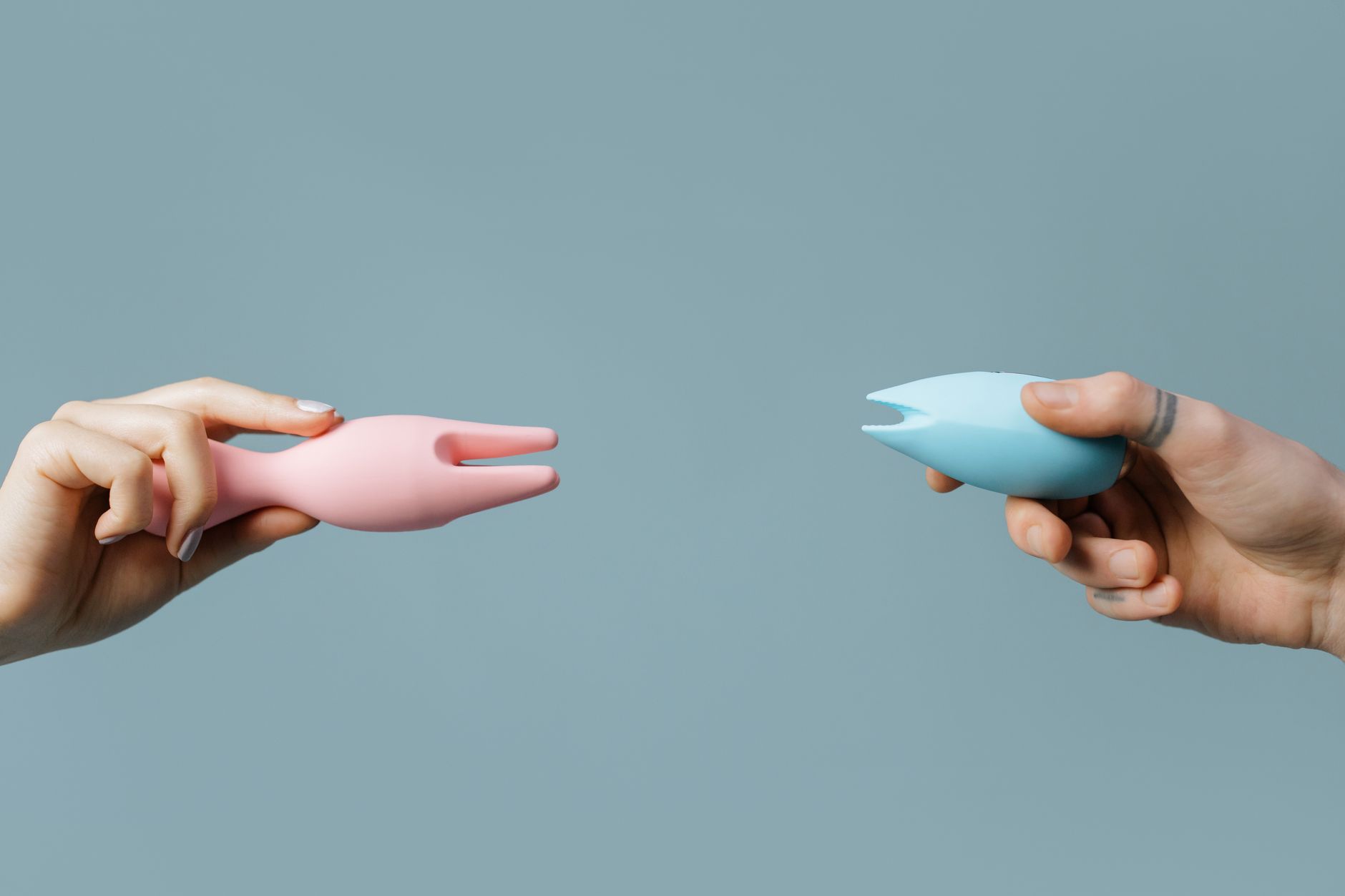
Let's name the thing nobody talks about
Guilt doesn't just make masturbation less fun. It makes arousal neurologically harder. When your brain is running a guilt loop, your body can't fully relax into pleasure. The nervous system stays partially braced, waiting for judgment. You can't orgasm from a state of threat, even if the threat is internalized and decades old.
Most people I work with who struggle with solo pleasure aren't missing technique. They're carrying permission they were never actually given.
Where guilt about masturbation really comes from
It's rarely one thing. Usually it's a pile: religious upbringing that coded pleasure as sin, family messages that treated sex as shameful, partners who made masturbation feel like a rejection of them, or the simple cultural narrative that real sex involves another person and anything else is a consolation prize.
What these have in common is that they teach you your pleasure is conditional. Conditional on someone else's approval. Conditional on the "right" context. Conditional on it being justified by something other than the fact that it feels good.
That conditioning doesn't vanish when you decide logically that you deserve pleasure. It lives in your nervous system. Your body believes it before your mind catches up.
How guilt physically blocks arousal
Three things happen when shame is running in the background:
1. Cortisol stays elevated. Guilt triggers a low-grade stress response. Your body stays in sympathetic activation, which is the opposite of the parasympathetic calm you need to get wet, to swell, to feel sensation clearly.
2. Blood doesn't flow where it needs to. Arousal requires vasocongestion. When you're braced against guilt, your vascular system doesn't prioritize the genitals. You feel numb, or you need so much stimulation that it feels like work.
3. Sensation gets muted. Your brain literally reduces input from your genitals as a protective mechanism. If pleasure is dangerous, muting it makes sense. This is why people with shame histories often report that touch feels distant or like it's happening to someone else.
This is all fixable. But it requires working with the guilt first, not just buying a better vibrator.
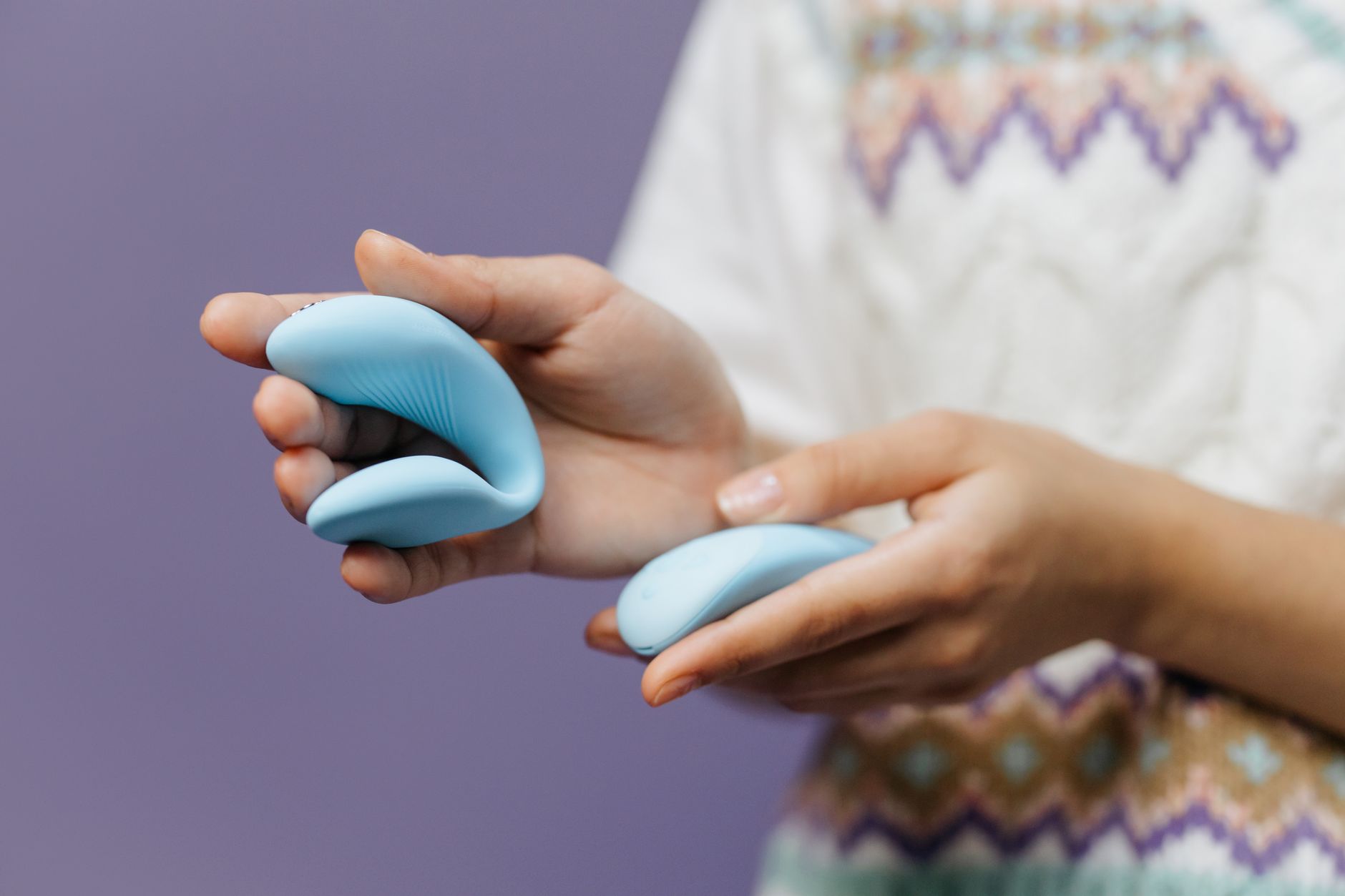
Photo by cottonbro studio on Pexels
The role of lemon vibrators in permission-building
A tool like a clitoral vibrator doesn't erase guilt, but it can interrupt the shame cycle in a specific way. Here's why they're useful for this particular struggle.
First, they're external permission. There's something about holding an actual object designed specifically for your pleasure that your brain registers differently than your hand alone. You're not sneaking it. You're using a tool. The shift from "I'm doing this to myself" to "I'm using this device" creates psychological distance from shame.
Second, they're efficient. If guilt makes your nervous system less cooperative, you need stimulation that doesn't require you to sustain arousal for 45 minutes while your brain catches up. Lemon clitoral vibrators work quickly and predictably. You can get to climax in 10 to 15 minutes instead of fighting for an hour. That matters because shorter sessions give guilt less time to resurface and derail you.
Third, the sensation is hard to ignore. Vibration is very different from hand movement. It's consistent, intense enough to pull your focus into your body instead of your thoughts. When you're trying to break a guilt loop, you need sensation strong enough to override the narrative in your head.
Practical steps to actually use them when shame is present
Start with a decision, not a session. Before you touch anything, sit with this: "My pleasure is not conditional. I don't need permission from anyone to explore my own body. This is information gathering, not wrongdoing." Write it down if that helps. Your nervous system needs to hear this framed as a fact, not a hope.
Pick a time when you're alone and won't be interrupted. Guilt thrives in anxiety about getting caught. Remove that variable. Lock the door. Put your phone in another room. Create actual safety so your brain doesn't have a real threat to add to the imagined one.
Start with the lowest intensity. If you're using a lemon clitoral vibrator, begin on pattern 1. The goal isn't orgasm on session one. The goal is to build tolerance to pleasure without shame hijacking it. You're teaching your nervous system that vibration plus arousal doesn't have to trigger guilt.
Expect your brain to get loud. Shame will whisper. "This is weird." "You should be doing something else." "What if someone finds out." Don't try to quiet it. Acknowledge it: "There's the guilt. I know you're there. I'm doing this anyway." Keep your attention on sensation. Physical sensation is louder than thoughts if you practice.
Build up in short sessions. Maybe five minutes the first time. Ten the second. You're not training your body. You're retraining your brain to believe that solo pleasure is safe, normal, and yours to have.
The connection piece (if you're partnered)
If you're in a relationship, guilt often gets tangled with beliefs about what that means. "If I pleasure myself, I'm admitting my partner isn't enough." "Real couples don't need to masturbate." These are lies, but they land hard.
The truth is simpler: solo pleasure and partnered pleasure are different systems. They serve different functions. One isn't a replacement for the other. How to use Lemon vibrators with your partner when you're on different schedules addresses partnered timing mismatches, but the core principle applies here too. Your orgasms belong to you. Not as a rejection of your partner. As a non-negotiable part of your own health.
If your partner has made you feel ashamed, that's a separate conversation. But it's worth having.
When guilt runs deeper than conditioning
If you've experienced sexual coercion or assault, guilt about pleasure can be trauma. Your body learned that being touched leads to harm. In that case, vibrators can still help, but you need professional support alongside it. A trauma-informed therapist can help your nervous system relearn safety. Once that foundation shifts, pleasure becomes accessible again.
Similarly, if guilt is tied to religious belief you still hold, this isn't about rejecting your faith. It's about interrogating whether that rule actually serves you. Many faith traditions have space for sexuality within their ethical frameworks. Some don't. But the question deserves more than inherited assumption.
The actual timeline for rewiring shame
Guilt doesn't lift in one session. Your nervous system has been trained over years. Expect four to six weeks of consistent practice before you notice the difference. Some people feel it shift faster. Others need longer. Neither means you're doing it wrong.
What matters is consistency. Once a week of deliberate, shame-aware solo time does more than sporadically whenever you feel brave enough. Routine tells your nervous system this is normal and safe.
FAQ
Can a lemon clitoral vibrator actually help with shame around pleasure?
Yes, because vibrators interrupt the shame-arousal loop in three ways: they create physical distance from shame (it's a tool, not your hand), they're efficient enough that guilt has less time to resurface mid-session, and the sensation is intense enough to override intrusive thoughts. But the vibrator alone isn't magic. The real work is deciding your pleasure is non-negotiable.
What if I feel more guilty the first time I use a vibrator?
That's normal. You're essentially choosing pleasure while your nervous system expects punishment. The guilt might spike before it settles. That's not a sign you should stop. It's a sign the old pattern is being challenged. Keep going, shorter sessions if needed, and make sure you're in a safe, private space.
Is masturbation normal after decades of feeling ashamed?
Completely. There's no age or relationship status where solo pleasure becomes weird. People masturbate in their 20s, 50s, 80s, married, single, partnered, divorced. It's one of the most consistent human behaviors across cultures and time. Your brain learned it was shameful. That's a lie your body absorbed.
How do I stop feeling guilty during the act?
You don't stop the guilt. You create a bigger thing than guilt: permission. Before every session, state out loud (or write down): "This is my body. My pleasure matters. I deserve to feel good." Then focus hard on sensation. Pressure in your clit, the buzz of the vibrator, heat, wetness. Guilt is a thought. Sensation is real. Practice choosing sensation.
What if my partner would judge me for using a vibrator solo?
That's worth examining. Your solo pleasure isn't about your partner. It's not a referendum on them. If a partner is threatened by your masturbation, that's their insecurity, not your problem. You get to know your own body. That knowledge actually makes partnered sex better, not worse. If judgment continues, that's a relationship issue that deserves real conversation or professional help.
Can lemon vibrators help if I was raised religious and taught that masturbation is sin?
Yes, and this specific work deserves patience. You're not just rewiring a habit. You're renegotiating your relationship with your body and your faith. Some people find that as they experience pleasure without harm, they realize the rule was conditional, culturally specific, or interpretable differently. Others keep their faith and decide their sexuality is separate. Either way, your body isn't a sin. That's not theology. That's biology.