Let's name the thing nobody says out loud
You know solo pleasure is normal. You know it's healthy. And you still feel weird about it. That gap between the knowing and the doing is real, and you're not alone in it. Most people I work with carry some version of this discomfort, and it has nothing to do with how sex-positive or evolved they think they are.
The awkwardness shows up differently for everyone. Maybe you grew up with messaging that masturbation was shameful. Maybe you feel like it's selfish or indulgent when you could be doing something productive. Maybe you've been partnered for so long that solo pleasure feels unfamiliar, almost like cheating on your own body. Maybe you're worried that wanting a vibrator means something's wrong with you or your relationships.
Here's the truth: that discomfort is workable. It doesn't mean you're broken. It means you're human, and you've absorbed some old scripts that your nervous system still believes. The good news is that your nervous system can learn new things, and lemon clitoral vibrators are actually excellent for that relearning.
Why vibrators make solo pleasure less awkward, not more
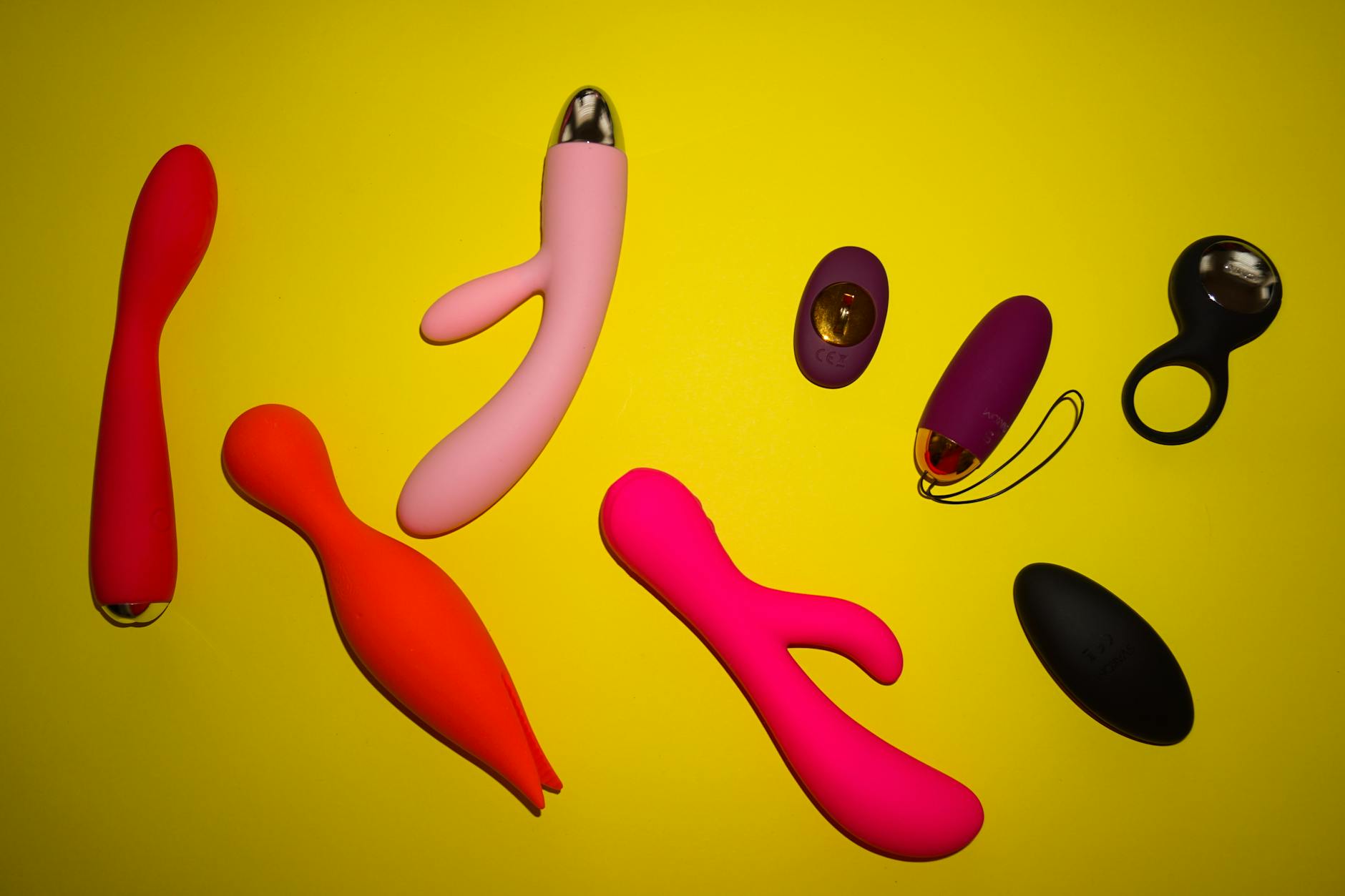
This seems counterintuitive, but clitoral vibrators like the Lem actually lower the barrier to entry for people who feel awkward about touching themselves. Here's why.
When you use your hand alone, your brain stays hyperaware of what you're doing. You're holding yourself, stroking yourself, and that directness can feel too confrontational if you're carrying shame around masturbation. It's hard to be in your body when you're also monitoring yourself from outside your body.
A vibrator creates a small degree of emotional distance. You're not directly using your hand. You're holding an object. Your attention can shift from "I am doing this" to "This is happening to me," which is a surprisingly powerful psychological shift. That distinction makes it easier to relax.
Second, the physical stimulation from a lemon sucker or clitoral vibrator is so specific that it hijacks your brain's attention. Instead of monitoring your own performance or worrying about whether you're doing it right, you're simply following sensation. Your nervous system gets quieter.
The permission conversation you need to have with yourself
Before you pick up a lemon vibrator, the real work happens internally. I ask my clients to get honest about what story they're telling themselves about solo pleasure.
Common ones I hear: "It's selfish." "It means I'm not satisfied with my partner." "Real desire doesn't need a toy." "I should be able to orgasm without this." "It's frivolous when I could be sleeping or working."
Each of these is a story, not a fact. And here's the thing about stories: they're invisible until you name them. Once you name them, you can interrogate them.
If the story is "It's selfish," ask yourself: is it selfish when you eat food you love? When you take a hot shower? When you rest? Or is it actually self-care, which is a requirement for emotional stability, not a luxury?
If the story is "It means I'm not satisfied with my partner," separate the two things. Your partner's capacity to satisfy you and your own capacity to satisfy yourself are completely different conversations. Many people with phenomenal partners still explore solo pleasure. It's not about your partner. It's about your own relationship with your own body.
Write down your story. Sit with it. Then ask yourself: who taught me this? Is it still serving me? What would I tell a good friend if she felt this way?
How to actually start, without the pressure
Okay so you've done the internal work. You've given yourself permission. Now what.
Don't start with the goal of orgasm. I know that seems obvious, but most people skip this step and jump straight to trying to come with a vibrator, which creates pressure, which creates tension, which makes orgasm harder. The whole thing becomes a test you might fail.
Instead, treat your first few experiences like exploration. Your job is to notice sensation and nothing else.
Set time aside when you're not rushed. You need at least 30 minutes and ideally when you're not thinking about what comes next (a shower, work, picking up kids). Your nervous system needs permission to just exist in sensation without a ticking clock.
Start clothed. Use the Lem or a lemon clitoral vibrator over your underwear or clothes first. There's less directness, less intensity, less "oh god I'm really doing this." Sensation travels through fabric. It's gentler. It's a way to introduce your nervous system to the vibration without asking too much of your body at once.
Start on a lower setting. You're not looking for intensity. You're looking for what happens when you notice where the vibration feels good. Does it feel good on your outer labia? Your mons pubis? Your inner thighs? Slow thighs? Notice without judging. There's no right answer.
Do this a few times over a few days before you remove clothes. Your body and your nervous system need time to acclimate to the idea that this is okay, that you're safe, that pleasure is allowed.
What changes when you make space for this
Here's what I see happen when people work through the awkwardness and actually start exploring solo pleasure with a lemon vibrator. Their partnered sex gets better. Their stress levels drop. They sleep better. They feel more embodied generally.
Why? Because you're teaching your nervous system that pleasure is safe. That your body is yours. That you deserve to feel good without earning it or proving anything. That lesson ripples into every other part of your life.
When you know what you like, you can tell a partner. When you know your body is capable of pleasure without external validation, you show up differently in relationships. You're not performing. You're not waiting for someone else to make you feel good. You're the author of your own experience.
That's powerful. And it's not selfish. It's foundational.
The practical stuff: lube, settings, and what actually feels good
Water-based lube helps. You don't need a lot. A small amount on the external area makes the stimulation feel less intense and more comfortable, especially if you're tense. It also makes the whole thing feel less clinical.
Start on the lowest pattern or vibration level. The Lem has several settings. You don't need high intensity to feel something. In fact, if you're new to this, intense vibration can feel overwhelming or even uncomfortable. Go low. Let your body acclimate.
If it feels overwhelming, stop. That's not failure. That's information. Your nervous system is telling you it needs more time. Come back to it later. There's no deadline here.
Some people find that they like consistent stimulation in one spot. Others like to move the vibrator around. Others like to alternate between patterns. There's no rule. You're discovering what your body actually responds to, separate from what you think you should like.
When to bring a partner into this
You don't have to. Solo pleasure is solo for a reason. But some people find that telling a partner "I've been exploring this, and here's what feels good" actually deepens intimacy, because you're being vulnerable and you're also being honest.
If you do want to share this with a partner, pick a moment when you're not in bed, not in the moment, not under any pressure. Say something like: "I've been working on being more comfortable with my own pleasure. This is something I want to do for myself, and I wanted you to know." See what they say. If they're curious, you can invite them to watch or participate. If they're not, that's also fine. This is yours.
The key is that you're not doing this for them. You're doing it for you. That distinction matters.
FAQ
Is using a lemon vibrator the same as masturbation?
Not exactly. Masturbation is self-touch for pleasure. Using a vibrator is one way to do that, but it's not the only way. You can masturbate with your hands alone. You can masturbate with a vibrator. You can do both. There's no hierarchy of "realness" here. A lemon clitoral vibrator is just a tool that makes certain kinds of stimulation easier to access.
Will using a vibrator make me desensitized to partner sex?
No. This is one of the most common worries, and it's essentially a myth. Your body doesn't run out of sensitivity from vibration. In fact, people who explore solo pleasure with vibrators often report better orgasms with partners because they know what they like and can communicate it. Knowledge and communication make partnered sex better, not worse.
What if I still feel guilty after I give myself permission?
Guild doesn't usually disappear in one conversation with yourself. It's more like a habit your nervous system has practiced for years. When the guilt shows up, treat it gently. Notice it without judgment. "Oh, there's that guilt again." Then come back to sensation. Guilt and pleasure can't occupy the same space in your nervous system at the same time. Pleasure wins if you keep returning to it.
How often should I be exploring solo pleasure?
Whatever feels sustainable and enjoyable to you. There's no prescription. Some people find they want to do this weekly. Some find they want to do it a few times a month. Some want to do it more often. The goal is not frequency. The goal is that it feels good and you don't feel pressured about it. If you're checking boxes or meeting some quota, you're back in performance mode. That defeats the purpose.
Can I use the Lem if I have a partner?
Absolutely. Solo pleasure and partnered sex are different experiences. You might use a lemon vibrator alone to explore and learn what you like, then bring that knowledge into partnered sex. Or you might use it alone sometimes and not in partnered contexts. Or you might invite your partner to participate. All of these are fine.
What if the vibrator doesn't feel good at first?
That's normal. Your nervous system might need more time. Your body might respond better to a different type of stimulation. You might need more lube. You might need to start through clothes. You might need to lower the intensity even more. Or you might just need to come back to it another day. Exploration isn't failure. It's just information gathering.
The thing nobody tells you
Your relationship with solo pleasure is your relationship with yourself. When you make space for it, when you give yourself permission, when you actually practice it without guilt, something shifts. You stop performing your life and start living it. That might sound dramatic, but I've watched it happen a hundred times.
Start small. Be patient with yourself. Use a lemon vibrator or lemon clitoral vibrator not as a performance tool but as a gentle guide back to your own body. Your nervous system will catch up. Your pleasure matters. Not later. Now.