Let's talk about what doctors don't always explain
Surgery changes your body. Not just the surgical site. It changes how you relate to touch, how your nervous system responds, and what pleasure feels like for weeks or months afterward. Most post-op guidance focuses on wound care and activity restrictions. Almost nobody talks about what happens to your sexual self during that in-between time.
Recovering sensation and desire after surgery is a real process with real friction points. If you're wondering whether lemon clitoral vibrators belong in your recovery, the answer is yes. But the how matters enormously.
Why surgery disrupts pleasure in ways nobody warns you about
Three things happen simultaneously. Your nervous system has experienced trauma, even if it was planned and necessary. Your body is redirecting energy toward healing. And psychologically, you're adjusting to changes in how you perceive your own sexuality and desirability.
Surgeries that involve pelvic regions, hormones, or neurological effects (think hysterectomy, mastectomy, thyroid removal, spinal procedures) create additional layers. Scar tissue forms around nerves. Hormonal changes shift if ovaries are involved. The sensation that was reliable before feels muffled, delayed, or completely absent.
When you try to access pleasure the way you did before surgery, it doesn't work. That's not failure. That's biology doing exactly what it's supposed to do during healing.
The timeline nobody tells you about
Doctors typically clear you for "normal activity" six to eight weeks post-op. What they mean is structural healing. Nerve regeneration takes longer. Psychological adaptation takes even longer.
I work with clients across the recovery spectrum. Those three months in, feeling like pleasure should be back by now. Those six months out, noticing sensation is still muted. Those a year later, realizing they're grieving the way their body used to respond before slowly rebuilding it differently.
Expecting full sensation at clearance is like expecting to run a marathon two weeks after a cast comes off. Your body needs a different kind of training.
Starting with lemon vibrators during early recovery
If your surgeon has cleared you for sexual activity but you're still nervous, here's the real talk: vibrators can actually help you rebuild confidence faster than partnered sex or solo exploration alone.
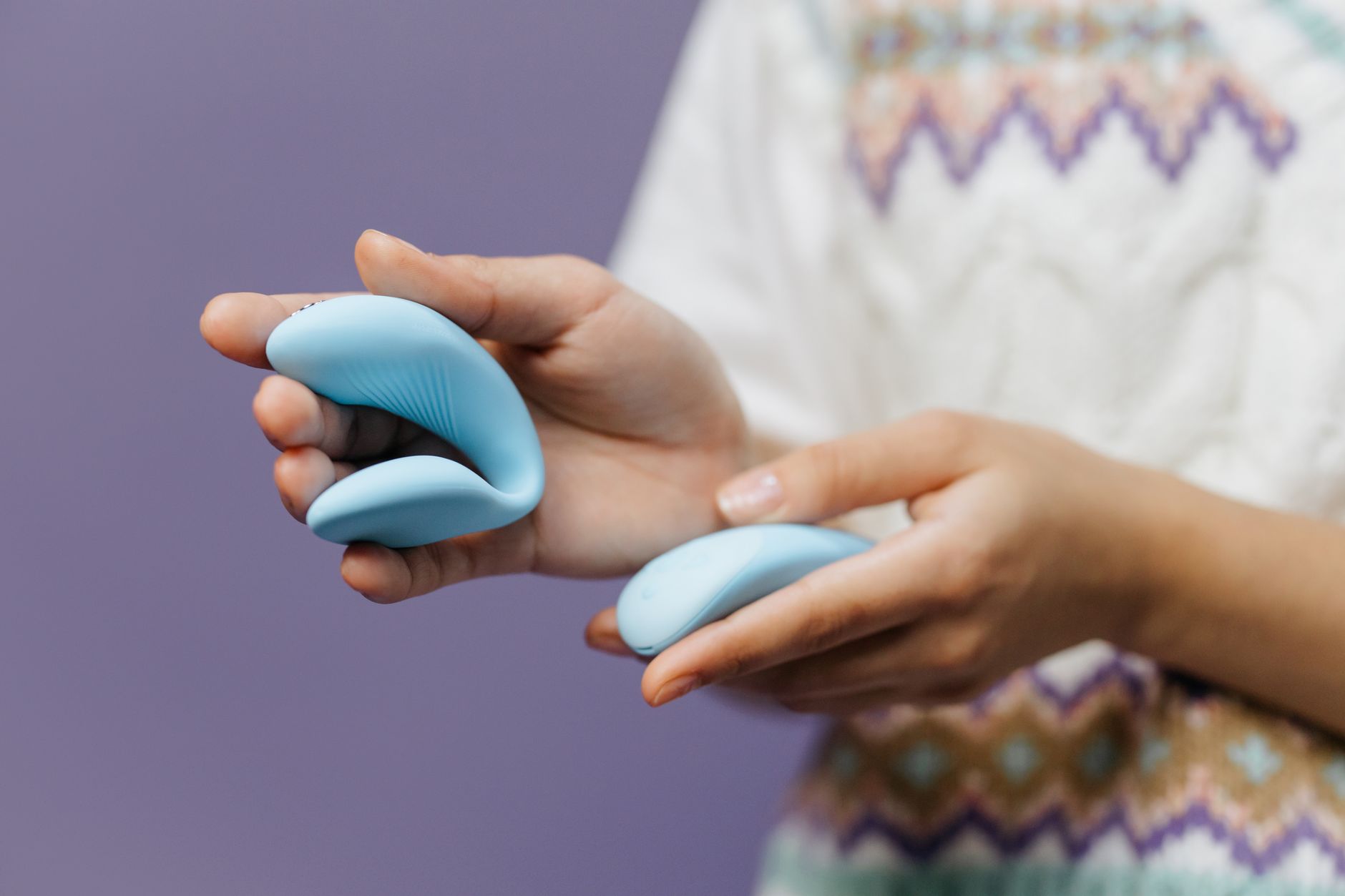
Why? Because lemon vibrators, particularly suction-based clitoral vibrators like the Lemon Toy line, give consistent, controllable stimulation. You're not waiting for your body to respond at its old pace. You're meeting your current nervous system where it actually is.
Start with low-intensity settings. Many lemon adult toys offer variable patterns. Begin at the gentlest setting and only increase intensity if sensation feels good, not forced. The goal isn't orgasm at this stage. The goal is information: what feels safe, what feels good, what feels neutral, what feels uncomfortable.
Keep sessions short. Fifteen minutes max. Your nervous system is healing and doesn't need extended stimulation periods right now.
Managing pain and sensation changes
Pain during or after using a lemon clitoral vibrator during recovery means stop immediately. Pain is information that something isn't ready.
Numbing or deadness is different from pain. That's normal. Nerves that were cut during surgery take months to regenerate. Sensation gradually returns in phases: sharp pain fades, then dull ache, then tingling, then eventually normal sensation. You don't skip steps.
Scar tissue desensitizes areas near the surgical site. That's not permanent. Gentle massage around (not on) scar tissue, after clearance from your surgeon, can help improve circulation and nerve function. Some clients find that using lemon vibrators in different positions helps them access sensation that feels muted in their usual position.
If numbness extends beyond the obvious surgical area, mention it to your surgeon. Sometimes that signals nerve involvement that needs monitoring.
What changes about using clitoral vibrators post-surgery
Before surgery, you might have used lemon vibrators as a straight path to orgasm. That probably changes. Your body might need:
Longer warm-up time. Your arousal pathway isn't broken. It's just slower while you're healing. Budget an extra ten to fifteen minutes of non-vibrator foreplay, either solo or with a partner, before introducing a lem vibrator.
Different patterns. The intensity you loved before might feel overwhelming now. Explore gentler patterns on your Lemon Toy clitoral vibrator. Some clients find that lower-frequency vibrations (steady, rhythmic pulses) work better during recovery than higher-frequency buzzing.
Spacing out sessions. You don't need to use a lemon sexual toy every time you have sex. You might use it twice a week during early recovery instead of daily. Pacing matters.
Varied positioning. If your surgery involved your abdomen or pelvic floor, lying on your back might feel vulnerable or uncomfortable. Exploring side-lying or sitting positions with your lemon clitoral vibrator changes the angle of approach and might feel safer.
Rebuilding trust with your partner during recovery
If you're partnered, surgery disrupts the rhythm you've built together. Your partner might feel uncertain about what's safe. You might feel self-conscious about changes in how your body responds. That tension is normal and really common.
Using lemon adult toys with your partner during recovery actually helps. It removes some of the pressure on your partner to "get you there" when your body isn't cooperating yet. It's collaborative rather than dependent. Many couples find that integrating a clitoral vibrator during this phase actually deepens intimacy because it removes the performance anxiety.
Have a concrete conversation before you try it together. "I want to use a lemon vibrator because my sensation is still rebuilding, not because something's wrong with you." That distinction changes everything.
When you're using a lem vibrator with your partner, they can focus on touch, kissing, or other forms of connection while you focus on direct stimulation. It's genuinely easier than the pressure of traditional partnered sex while you're healing.
The emotional piece that actually matters most
Here's what I see in my practice that textbooks don't talk about. The grief of your body changing is real, and it often gets tangled with the physical recovery. You're not just waiting for sensation to return. You're also processing that your body isn't what it was, and that's a legitimate loss.
Giving yourself permission to use tools like lemon vibrators during this time isn't a workaround. It's self-compassion. You're saying: my pleasure matters even while my body is changing. My sexuality doesn't end because of surgery. I'm rebuilding this, not waiting for it to restart.
That shift in mindset actually speeds recovery. When you approach your body with curiosity instead of disappointment, your nervous system relaxes. And a relaxed nervous system heals faster and regains sensation more readily.
A few practical considerations
Cleanliness matters more during recovery. If your surgical site is still healing, keep your lemon clitoral vibrator away from it. Wash your hands before solo play. Keep the toy clean between uses.
Lubricant helps enormously during post-surgical recovery because sensation is already muted. Water-based lube increases glide and sensation without adding anything harsh to healing tissue.
If you notice increased pain, swelling, or unusual discharge in the days after using a lemon sexual toy, tell your surgeon. That's useful information about your healing timeline, not failure.
Most surgeons clear sexual activity once structural healing is adequate. You don't need additional permission to use a lem vibrator. But if you're uncertain, asking directly removes the guesswork.
Questions people actually ask
How long after surgery should I wait before using a clitoral vibrator?
Following your surgeon's clearance for sexual activity is the baseline. That's typically six to eight weeks for most surgeries. But readiness isn't just about timeline. It's about how you feel. If you're cleared medically but feel emotionally uncertain, that uncertainty is valid. You can wait longer without rushing. Using a lemon clitoral vibrator when you're genuinely ready, not just when you're "supposed" to be ready, matters more than hitting a timeline.
Can using lemon vibrators slow down my healing?
No. Using a clitoral vibrator in a healing area slows healing. But gentle, non-invasive stimulation of areas away from the surgical site actually supports recovery by improving circulation and rebuilding nerve pathways. Your surgeon can help you identify which areas are safe to stimulate.
What if I still have no sensation down there months after surgery?
That's worth mentioning to your surgeon and potentially a physical therapist who specializes in pelvic health. Persistent numbness sometimes signals nerve damage that benefits from specific interventions. It's also common for sensation to return in phases over six months to a year. Starting with very low stimulation from a lemon vibrator can help you notice when sensation does begin returning.
Is it weird that I want to use my lemon vibrator more during recovery?
Not weird at all. Using lemon adult toys gives you a sense of agency during a time when your body feels out of control. It's evidence that pleasure is still accessible. That matters psychologically and neurologically during healing.
Can my partner use a lemon vibrator on me during recovery, or should I use it solo?
Both are fine, depending on what feels safe and intimate to you. Solo exploration lets you control intensity and pacing entirely. Partner-assisted use adds connection. If you choose partner-assisted, communicate clearly about pressure and intensity preferences. A lem vibrator doesn't solve communication gaps. It just makes communication easier to act on.
What if orgasm takes way longer than before surgery?
That's genuinely normal. Your nervous system is rewiring. Using a clitoral vibrator doesn't speed that process, but it does make the journey less frustrating because you're using consistent stimulation rather than relying on inconsistent physical response. Many clients find that orgasms return when they stop waiting for them and start focusing on sensation instead.
The real timeline
Your body will come back online. Not to where it was necessarily. Maybe different, maybe better. But pleasure doesn't end because of surgery. It pauses, shifts, and gradually returns on its own schedule.
Using lemon vibrators, specifically clitoral vibrators designed for consistent stimulation, is one way to rebuild your relationship with pleasure during that in-between time. Not as a replacement for healing. As part of healing. Your pleasure matters during recovery, not just after it's complete.
If you're navigating post-surgical changes and want to explore what tools might help, reach out. You deserve support through this transition.