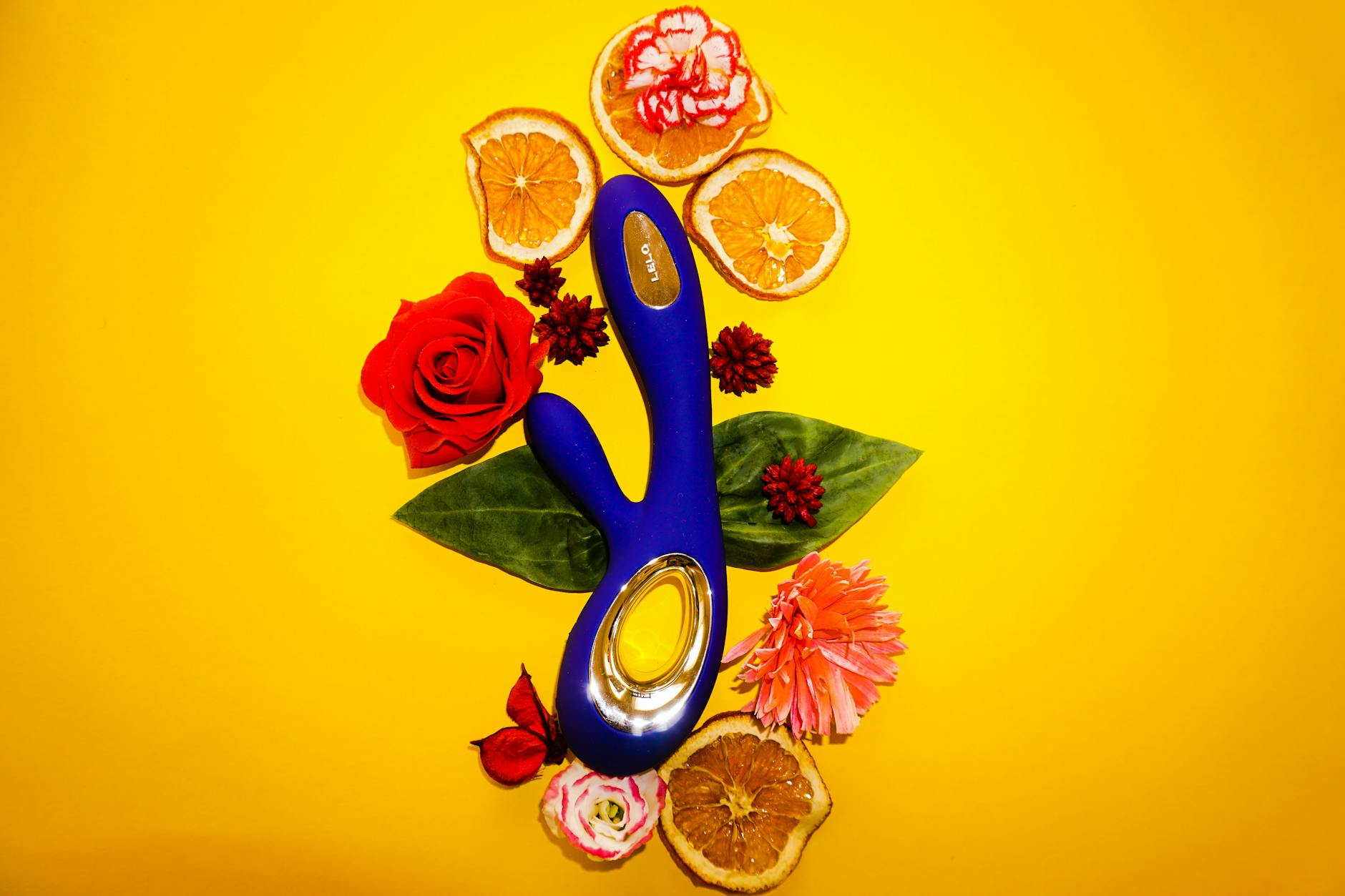
Here's what nobody tells you about aging and penetration
Let's be real. Penetration feels different after 50, sometimes after 45, occasionally even earlier. Not worse necessarily. Different. The physical sensation changes, the angle that used to work stops working, or the whole experience just feels less like the main event and more like something you're doing because you think you should be.
That shift is completely normal, completely physical, and completely fixable. But it requires a mindset change, and that's the part most people skip.
What actually happens to penetration sensation as we age
Three things happen simultaneously, and understanding them matters because they're not the same thing:
First, vaginal tissue thins. Estrogen is the hormone that keeps tissue plump and elastic. When estrogen drops, that tissue becomes thinner and less stretchy. That means less friction sensation during penetration, less of that feeling of fullness, and sometimes actual discomfort if you're not using enough lubrication.
Second, the vaginal wall loses some of its nerve density. Not all of it. But the concentration of nerve endings that fire during penetration gets less dense, so the same movement registers as a quieter signal in your brain. It's like turning down the volume on something you already knew you liked.
Third, blood flow changes. Arousal used to mean a rush of blood to your genitals, plumping tissue and making everything more sensitive. That response is still there, but it takes longer to build and doesn't swell quite as dramatically. Which means penetration starts feeling less like it's happening to sensitive, engorged tissue and more like it's happening to regular tissue.
Here's what doesn't change: your capacity for orgasm, your clitoral nerve density, or your ability to feel pleasure. Those remain almost exactly the same. What changes is the pathway.
Why clitoral vibrators matter when penetration shifts
If you've spent 30 years having orgasms partly from penetration and partly from clitoral stimulation, and suddenly penetration stops contributing, you lose a piece of the puzzle. Most people's instinct is to panic. What I recommend is to redirect.
Clitoral vibrators like Lemon's clitoral vibrator (which uses gentle suction rather than just vibration) matter now because they're efficient. The clitoris has roughly 8,000 nerve endings. A good clitoral vibrator delivers consistent, focused stimulation directly to those nerves without needing your body to do any of the work of building sensation.
When penetration sensation fades, your clitoris doesn't. It's still there. It still responds. And in many cases, orgasms from clitoral stimulation alone become more intense than they ever were before, partly because you're not dividing your attention between two sensations.
That's not a loss. That's a recalibration.
The practical shift: from penetration-forward to clitoris-forward
If you're used to penetration being the main event, this takes some getting used to. Here are the concrete adjustments I recommend:
Start with clitoral stimulation first. If penetration is still pleasurable but less so, don't lead with it. Start with 10-15 minutes of clitoral focus using a Lemon vibrator. Build your arousal there. Build your orgasm there if you want to. Then, if you want penetration, add it after you've already climaxed.
This flips the pressure. Penetration becomes optional dessert instead of the main course you're trying to achieve. It takes the performance anxiety out of the equation.
Use penetration differently. If penetration still feels nice but just not as sensitive, the goal isn't to feel the same sensation. The goal is to feel connected. Slow, deep penetration with a partner often feels better than anything fast. The slowness lets you notice the intimacy rather than chasing the sensation. That's a different pleasure, not a worse one.
Combine stimulation thoughtfully. If you're with a partner, clitoral vibrators become a partnership tool. They use one while they provide penetration. You get the benefit of both sensations without your body having to do the work of producing its own clitoral stimulation while managing penetration. It's less effortful and often more pleasurable.
Try external-only sessions. Some of my clients find that devoting entire sessions to clitoral pleasure without any penetration at all is revelatory. No goal of penetration. No feeling like something's missing. Just you and a Lemon clitoral vibrator. Many report that once they release the expectation of penetration, their orgasms become more intense and more frequent.
The lubrication piece (which actually matters a lot)
If thinned tissue is part of the problem, lubrication isn't optional anymore. Water-based lubricant changes everything because it gives your tissues something to glide against, reducing friction discomfort and actually increasing sensation paradoxically.
The trick is using enough. Most people undersell lubrication. You want enough that it feels slippery to your hand. Reapply halfway through. Lubrication evaporates, so fresher is better.
If you're using a Lemon clitoral vibrator with lubrication, you're creating an even more consistent seal, which actually increases the suction effect. That's a bonus.
When to bring a partner into this conversation
If you're in a relationship, talking about this shift is vulnerable but necessary. And the conversation has two parts.
Part one is the physical conversation: "My body is responding differently to penetration, and here's what helps me feel good now." That's data. That's actionable.
Part two is the emotional conversation: "I want us to stay connected, and I want you to know that this shift doesn't mean I want you less or want sex less. It means I want us to explore together."
Bring a Lemon clitoral vibrator into the bedroom not as a replacement for your partner but as a tool. Many couples find that using clitoral vibrators together actually deepens intimacy because the focus is on making sure their partner climaxes, which is its own kind of connection.
The mindset piece (honestly the biggest part)
Here's what I see most often: someone reaches their 50s or 60s, penetration sensation changes, and they interpret it as their sexuality winding down. Then they stop having sex. Then they stop masturbating. Then they actually do lose sensation, because nerves that aren't used atrophy.
The antidote is to keep using what you have. A Lemon vibrator isn't a consolation prize. It's a tool that works better now than it did when you were 25, partly because you know your own body better and partly because it delivers exactly the kind of stimulation your aging clitoris responds to most.
Masturbation becomes more important in this phase of life, not less. Regular sexual activity, whether partnered or solo, maintains blood flow, keeps nerves firing, and prevents the atrophy that makes sensation fade further.
You're not losing sexuality. You're entering a phase where it requires less performance and more intention.
When to see a doctor
If penetration is painful rather than just less pleasurable, that's worth mentioning to your GP. Genitourinary syndrome of menopause is treatable with topical estrogen creams that have minimal systemic absorption. That's a separate conversation from sensation and is worth having if pain is part of the picture.
If desire has completely disappeared, that's also worth exploring with someone trained in midlife sexuality. Sometimes it's hormonal. Sometimes it's relational. Sometimes it's something else entirely.
But if penetration just feels less like the main event? That's not pathology. That's aging. And your response to it determines whether you become someone who stops having sex or someone who evolves how you have sex.
FAQ
Can I still have orgasms from penetration alone after 50?
Some people do. Most don't. The clitoris is still your most reliable route to orgasm, as it always has been. Penetration can feel pleasurable without being orgasmic. That's completely normal and completely fine. The pressure to orgasm from penetration is cultural, not biological.
Does using a lemon clitoral vibrator make penetration less interesting?
Not usually. People often report the opposite. Once they release the pressure of penetration having to be the main source of pleasure, they actually enjoy it more. It becomes about connection rather than sensation achievement.
How often should I be using a Lemon vibrator if sensation is declining?
Regularly. Weekly at minimum. Consistent sexual activity maintains blood flow and nerve function. Many people find that using a clitoral vibrator two to three times weekly actually increases overall sensation, including during partnered sex.
Is it normal for orgasms to feel different after 50?
Completely normal. They often feel shorter, more localized, or less intense than they did at 30. Some people find them more satisfying because there's less performance anxiety. Quality varies person to person, but the shift is expected.
Can hormonal therapy help with penetration sensation?
It can. Topical estrogen creams and, in some cases, systemic hormone therapy can restore some tissue plumpness and nerve density. That's a conversation to have with a menopause-trained provider. It's not required for pleasure, but it's an option.
What if my partner feels rejected when I want to focus on clitoral stimulation instead?
That's a partnership issue, not a sexuality issue. You might frame it as "I want more of you, and here's what will make that possible." A secure partner will want their partner to feel good. A threatened partner might need reassurance about what the shift means. Those are separate conversations, and couples counseling can help navigate that.
Your pleasure matters. The way your body works now is the way it's supposed to work now. A Lemon clitoral vibrator isn't a workaround. It's the right tool for the job at this stage of your life.