Here's the thing about different pleasure preferences
One of you lights up at the idea of penetration. The other comes alive with clitoral stimulation. And the assumption, the one that haunts so many couples, is that one of you has to give. That someone's pleasure is the price of togetherness.
It's not. Not even close.
The actual tension nobody talks about
This isn't really about penetration versus clitoral stimulation at all. It's about visibility. When your partner wants something that feels central to their arousal, and you want something different, what you're both really asking is: "Will you stay present with what I actually need?" The good news is that lemon vibrators, specifically clitoral vibrators like the Lem, create a pathway for both answers to be yes. The better news is that this conversation, done right, often deepens intimacy more than it strains it.
Research on couples' sexual satisfaction shows that when partners actively collaborate on pleasure rather than negotiate, arousal and satisfaction increase for both. You're not splitting the difference. You're building something together.
Why clitoral vibrators work in mixed-preference partnerships
Here's what makes lemon sexual toys, particularly suction-based clitoral vibrators, different from other tools in a shared-pleasure context.
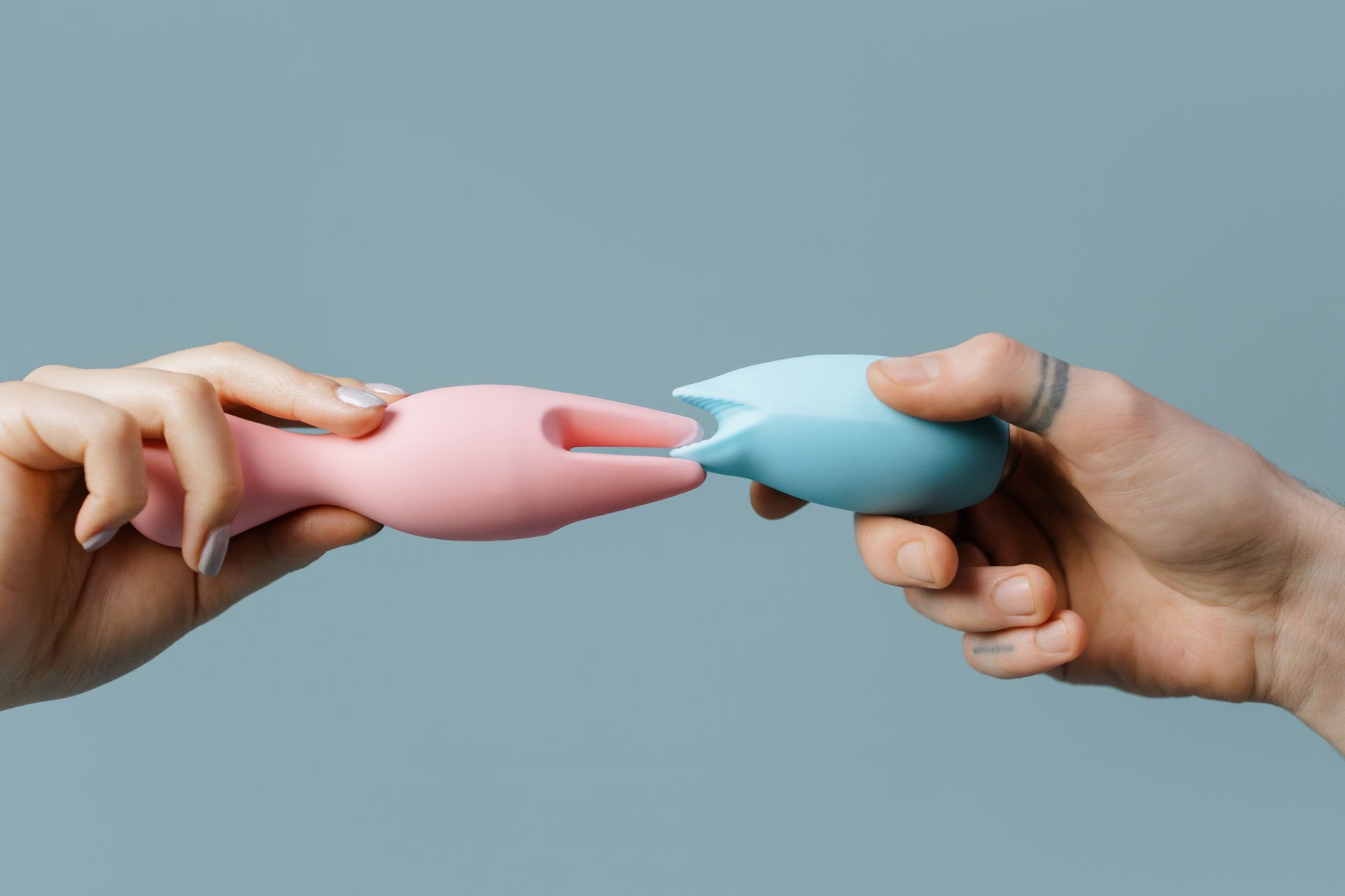
They're not a "instead of" tool. They're an "and" tool. Your partner can be inside you or pressing against you while you use a clitoral vibrator. The stimulation is localized to your clitoris, leaving space for whatever penetration feels good. You're not choosing between the two. You're layering them. A lemon clitoral vibrator sits on your clitoris, leaving your vaginal opening completely available. That changes everything about how couples can move together.
Second, clitoral vibrators give you control in a way that makes collaborative pleasure real, not theoretical. You can adjust intensity, angle, and speed without asking permission or breaking rhythm. Your partner can focus on their own arousal and sensation without managing yours. That independence inside partnership is what prevents resentment from building.
The conversation before you start
Let's be direct: the tool doesn't matter if the conversation isn't there first. You need to separate three things.
What you want from your body. "I orgasm most reliably with clitoral stimulation. That's not a rejection of you or what you want. That's just my body." That's it. Not "I don't enjoy penetration," not "I'd prefer if we did it differently," just the factual part.
What your partner wants from their body. Let them say this without you solving it or fixing it. If penetration is central to their arousal, it is. That's also just fact.
How you both want to feel during sex. This is where the real conversation happens. Do they want to feel desired? Do you want to feel fully present? Do you both want to feel like you're building something together? Lemon vibrators fit into this picture because they let you both move toward what feels good without erasing the other person's needs.
That conversation usually takes 15 minutes. Not during sex, not when you're already aroused. Over tea or coffee, with actual oxygen in the room.
How to actually use a lemon clitoral vibrator together when preferences differ
Let's move to the practical part.
Start with penetration as the canvas, clitoral vibration as the detail. Many couples find it easiest when the penetrating partner initiates penetration first, allowing arousal to build that way, and then the clitoral vibrator enters the scene a few minutes in. Your partner can feel your arousal building through your response. You get the clitoral focus that brings you toward orgasm. The rhythm doesn't have to sync. That's the point.
Positioning matters. If you're on top, you control depth and angle while the vibrator sits between your bodies. If you're on your back, your partner can use their hands or a dildo for penetration while you hold the lemon clitoral vibrator steady. The Lem, being relatively small and ergonomic, doesn't create a logistical nightmare. It fits in your hand. It doesn't block your partner's access.
Speed and intensity are yours alone. This is crucial. If your partner is building toward orgasm and you're not quite there, you can increase the intensity of the clitoral vibrator without asking them to change anything. Conversely, if they're building faster than you, you can keep going at your pace. You're not syncing to each other's timelines. You're moving in parallel.
Talk about what comes next. Will you both orgasm? Will one of you orgasm and then shift focus? Will you sit in pleasure without orgasm as the goal? These are not small questions. The partner who prefers penetration might come first. The partner with the clitoral vibrator might need longer. Neither of those scenarios means failure. They mean you know what's happening and why.
What this actually solves (and what it doesn't)
Using a lemon clitoral vibrator together won't erase the preference difference. It won't make your partner suddenly want what you want. That's not the point.
What it does is create a scenario where both preferences are honored simultaneously. Your partner gets the penetration that feels central to their arousal. You get the clitoral focus that makes orgasm accessible. You're not trading. You're building. That shift is profound.
What it also does is move the conversation out of deficit territory. Instead of "I wish you liked penetration more" or "I wish you didn't need clitoral stimulation," the narrative becomes "Here's how we make sure you both get what your body needs." That's not a small reframe.
When mismatched preferences get sticky
If using lemon sexual toys together feels like you're accommodating rather than connecting, that's worth examining. Sometimes a preference mismatch is just anatomy and neurology. Sometimes it's pointing at something else, like resentment, disconnection, or unspoken expectations about what good sex should look like.
If you find yourself thinking, "I shouldn't need this. My partner should be enough," or if your partner is withholding enthusiasm for the vibrator as a way of expressing hurt, that's not a vibrator problem. That's a communication problem. Those are worth working through, possibly with a couples therapist who specializes in sexual dynamics. Understanding your pleasure cycle can also help both of you recognize that desire and response shift over time.
The emotional part (which is actually the important part)
Here's what usually happens when couples navigate this well. The person who prefers penetration feels less defensive. Their desire isn't being rejected, just contextualized. The person who needs clitoral stimulation feels less responsible for the other person's pleasure. You're both participating in your own arousal.
That creates safety. And safety is what deepens connection over time.
Lemon vibrators, specifically clitoral vibrators, become a tool not for compensation but for collaboration. You're not saying "I need this because you're not enough." You're saying "My body works this way, your body works that way, and here's how we both get what we need in the same moment." That's the opposite of compromise. It's the beginning of real intimacy.
The practical setup
One more concrete detail: have the vibrator accessible before you're both already aroused. Keep it on the nightstand or in your hands when things start moving. The moment you stop to search for it, the rhythm breaks and so does the collaborative feeling.
Make sure you're using water-based lubricant if there's any possibility of friction irritation, especially if you're using the vibrator for extended periods. Rechargeable vibrators like those from Lemon Toy mean you're never scrambling for batteries mid-session.
And be willing to adjust. If a particular position doesn't work, try another. If the intensity needs to change, change it. If one of you needs to pause, pause. This isn't a performance. It's a conversation your bodies are having with permission.
FAQ: Mismatched pleasure preferences and lemon vibrators
Can we use a clitoral vibrator if my partner prefers not to?###
Yes, and this conversation is worth having. Sometimes partners resist vibrators because they feel replaced. But if you frame it as something you need, not something they're lacking, resistance often softens. "My body gets there faster with clitoral stimulation. This isn't about you. It's about making sure we both feel good." That's different from "You're not enough." Invite them to participate in choosing the tool, adjusting settings, or exploring together.
What if my partner finishes before I'm close with the vibrator?###
That's normal. Have that conversation beforehand. Will they stay inside and still? Will they use their hands on you while you finish? Will you switch to solo pleasure for a few minutes? None of these options is wrong. The key is deciding together so there's no awkward silence or unspoken resentment.
Is using a vibrator as a couple somehow "cheating" on traditional sex?###
No. This is a myth that costs couples real pleasure. A vibrator isn't a replacement partner. It's a tool that helps your body do what it does. Would we call lube "cheating"? Or different positions? The logic doesn't hold. If both of you are present and choosing it, it's collaboration, not circumvention.
How do I know if my partner's resistance is about the vibrator or about us?###
Listen for the difference between "I don't like vibrators" and "I'm worried this means you don't want me." One is a preference. The other is a fear. If it's fear, the vibrator won't fix it. A conversation will. Once you've addressed the underlying worry, resistance often disappears.
Can we use a lemon clitoral vibrator if penetration isn't happening?###
Absolutely. Plenty of couples use clitoral vibrators during oral sex, manual stimulation, or as the sole focus of a session. The preference mismatch question is specifically about how to honor different desires in the same encounter. If you're both happy without penetration, the vibrator is just part of your toolkit.
What if the clitoral vibrator feels overwhelming during partnered sex?###
Intensity settings exist for this reason. Start low and build up. Or use it before penetration begins, bringing yourself partway toward orgasm before your partner enters. That often creates a better rhythm because you're already responsive rather than starting from zero.
The bigger picture
Mismatched preferences aren't a problem to solve. They're information. Information about what your bodies need, what creates pleasure for each of you, and where the real work of partnership lives. That work isn't about convincing your partner to want what you want. It's about saying, "I see what matters to you. I'm going to stay present while we both get there." Lemon clitoral vibrators just make that conversation easier to have with your body rather than just your words.
If you're curious about how to start this conversation or want more guidance on navigating desire differences, reach out to us. We're here to help.