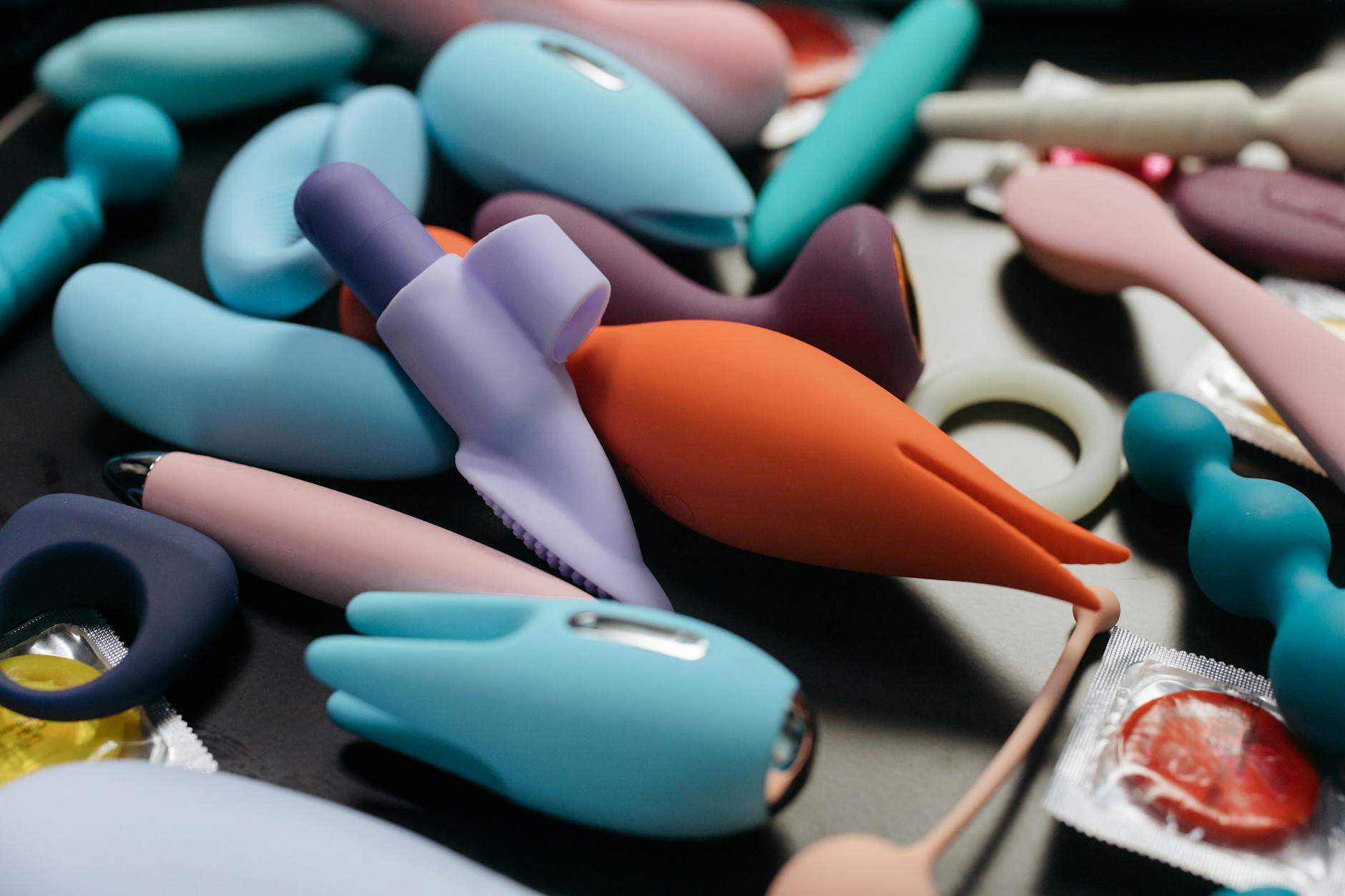
How to Use Lemon Vibrators When Clitoral Orgasms Feel Harder to Reach With Age
Let's be real: orgasms change after 40. Not disappear. Change. The pathway gets longer, the buildup is slower, and the cues that used to work need rewiring. Most people describe it as their clitoris "waking up later" or needing "more time to get going." That's not a sign you're broken. That's your nervous system adapting, and it's actually an opportunity to use tools like the Lem or other lemon vibrators in ways that work with your body instead of against it.
I've worked with hundreds of people navigating this shift in my practice, and the pattern is consistent. Something that used to click in five minutes now takes 15. A partner's touch that used to spark immediate arousal now feels like a nice warmup but not the main event. The worst part isn't the delay itself. It's the shame, the assumption that you're "losing it," or the pressure to orgasm on someone else's timeline because that's what used to happen. None of that is true, and none of it serves you.
The good news: clitoral vibrators designed for precision and sustained stimulation, like the lemon vibrators available from Lemon Toy, work better as you get older because they remove the guesswork. Your body knows what it needs. You just have to listen.
Why delayed orgasm happens and why it's not a flaw
Three things shift as you age, and understanding them changes everything.
1. Nerve density and sensitivity recalibrate. Your clitoris doesn't lose sensation. It reorganizes. Estrogen and testosterone both influence nerve responsiveness, and as both fluctuate (or drop permanently after menopause), the neurons that fire during arousal need more time to build up. It's like the difference between flipping a light switch and slowly turning a dimmer. Same endpoint, different approach.
2. Blood flow takes longer to redirect. Arousal is a vascular event. Blood has to move from your core to your genitals, and that process slows slightly with age. Cardiovascular fitness helps, but even people who exercise regularly notice this shift. It's not weakness. It's just physics.
3. Your brain's attention span for pleasure gets pickier. After 40 or 50, casual background arousal doesn't cut it anymore. You need mental focus and absence of distraction in a way you might not have before. This is actually an advantage if you use it right, because it means you can engineer the experience to work for you instead of hoping it happens by accident.
The case for clitoral vibrators when orgasm takes longer
Here's where lemon clitoral vibrators become essential: they solve the "longer buildup" problem by providing consistent, adjustable stimulation that you control completely.
When you're using a partner or your hand, you're dependent on them maintaining the exact pressure and rhythm your nervous system needs while it's waking up. That's reasonable at 25. At 55, after years of shifting hormones and life stress, you often don't know what you need until you're already partway there. A clitoral vibrator like the Lem gives you the freedom to explore without dependency. You set the intensity. You control the rhythm. You can pause, restart, switch patterns. Most importantly, you can stay in the exact sweet spot your body is signaling without negotiating with a partner's arm getting tired.
Lemon adult toys with air-suction or pulsing patterns work particularly well because they don't rely on direct friction. They stimulate the entire clitoral network (yes, most of the clitoris is internal and easily overstimulated with blunt force). Air-suction and pulsing vibrators activate nerves without overwhelming them, which is crucial when the nervous system is taking its time to wake up.
Building arousal when it takes longer now
If you've spent decades experiencing faster arousal, the shift can feel jarring. Here's how to work with your actual timeline.
Extend foreplay beyond what feels "necessary." If you used to need ten minutes of warmup and now need 20, that's 20 minutes. Not a problem to solve. A new reality to build into your routine. Some people find that spreading arousal across the whole day helps, too. A text, a thought, something that keeps your mind engaged before you're even in the bedroom. Your clitoris responds to attention from your brain as much as your hands.
Start with lower vibration settings and work up. This is counterintuitive for people accustomed to jumping straight to high intensity. If the Lem or another lemon vibrator has multiple patterns and speeds, begin on pattern 1 or 2. Many people discover that sustained stimulation at a lower level for 10 minutes gets them further than three minutes at high intensity. Your nervous system isn't in a race. It's gathering information.
Use lube even if you think you don't need it. Lubrication changes with age (this is especially true after menopause, but it's true for everyone to some degree). A water-based lube makes contact between your vibrator and your clitoris smoother and more pleasurable. It also reduces the friction that can feel uncomfortable if your tissues are more sensitive.
Integrate mental focus deliberately. This isn't meditation or spirituality. It's simple: when your mind wanders to the grocery list or your inbox, notice and bring it back. The difference between unfocused arousal and intentional arousal is often 10 to 15 minutes of actual sensation. You're training your nervous system to prioritize the signal.
When to use a clitoral vibrator with a partner
Many people worry that introducing a vibrator means their partner will feel replaced or unnecessary. That's the opposite of what usually happens.
The pressure lifts when a partner understands they're not responsible for your orgasm. You are. A lemon clitoral vibrator becomes a collaborative tool instead of a substitute. Your partner can provide touch, connection, kissing, or full-body attention while you handle the direct clitoral stimulation. This often feels more intimate than traditional approaches because it removes the performance anxiety on both sides.
Some people use a vibrator alongside partner touch. Others hand the vibrator to their partner and guide the rhythm. Others use it solo after connecting. All of these work. The variable is communication. Tell your partner what you actually need: "I'd like to use a vibrator because my arousal is slower now and this helps" is completely different from using one silently or as a workaround for something else.
Troubleshooting when orgasm still feels distant
Sometimes even with the right approach and tools, orgasm doesn't arrive. This is worth investigating.
Check whether it's physical or psychological. Does sensation feel present but just slow? That's the aging-nervous-system situation, and patience plus the right vibrator typically help. Does sensation feel absent or numb? That could be medication, hormone levels, or pelvic floor tension, all of which are worth discussing with a gynecologist or pelvic floor specialist. Does your mind keep sabotaging the moment? That's often anxiety or stress, and it deserves attention separate from the physical side.
Consider whether you're actually turned on or just going through motions. This sounds obvious, but I see it constantly. People assume they should be aroused and push forward anyway. Genuine arousal involves blood flow, wetness, and interest. If those aren't present, a vibrator is just a tool in an empty workshop. Sometimes the real fix is addressing whatever's blocking arousal (stress, relationship tension, medication side effects) rather than amplifying stimulation.
Give yourself permission to stop. Not every session will lead to orgasm, and that's okay. Some of the most connected, pleasurable experiences people report don't end in orgasm. You're not aiming for a finish line. You're aiming for good sensation and connection to your body. Orgasm might be the cherry, but the actual pleasure is the rest of the sundae.
FAQ: Orgasms and aging with lemon vibrators
Why does it take longer to orgasm as I get older?
Multiple systems slow down slightly with age: blood flow takes more time to redirect toward your genitals, nerve sensitivity recalibrates, and your brain requires more focused attention. None of this means something is wrong. It means your body has a different timeline now. Using a clitoral vibrator designed for sustained, adjustable stimulation removes the guesswork and lets your nervous system take the time it needs.
Is it normal to not orgasm even when using a vibrator?
Completely normal. Orgasm isn't guaranteed, and if you're dealing with medication side effects, hormonal shifts, or stress, your body might not climax even with tools. This doesn't mean the experience is a failure. Some of the most satisfying sessions don't end in orgasm. If orgasm has disappeared entirely and is bothering you, chat with a doctor to rule out physical factors like medication effects or hormone imbalances.
Should I use a lemon clitoral vibrator alone or with a partner?
Both work. Solo gives you complete control and no performance pressure. With a partner, it removes the responsibility from them and lets them participate differently. The key is communication. Explain why you're using it ("my arousal is slower now and this helps me get there") rather than introducing it silently, which can feel like rejection.
How long should I use a clitoral vibrator before expecting an orgasm?
There's no set time, but extended sessions often work better as you age. Where five minutes used to be enough, 15 to 20 minutes of sustained, consistent stimulation might be what your body needs now. Start low, stay present, and follow the sensations. Some people find the buildup itself is more pleasurable than rushing.
Does using a vibrator make it harder to orgasm without one?
No, but let's be honest: vibrators feel really good. Once you find one that works, going back to hand stimulation can feel less efficient. That's not dependency. It's just knowing what serves you. Plenty of people use a lemon vibrator regularly and also enjoy other kinds of stimulation. They're not mutually exclusive.
What if my partner thinks a vibrator is a threat?
This one requires conversation outside the bedroom. Frame it practically: "My arousal is changing with age, and a vibrator helps me get what I need, which makes the whole experience better for both of us." If your partner is secure, they'll see it as a win (you're satisfied, which feels good for them). If insecurity persists, that's worth exploring separately, possibly with a couples therapist.
The actual truth about aging and pleasure
Your clitoris doesn't retire at 40, 50, or 60. It evolves. Orgasms don't disappear. They deepen. The ones that take longer to build often feel more complex, more whole-body, less like a quick peak and more like a sustained wave. Many people report that their most satisfying orgasms come in their 50s and beyond, not despite the slower buildup but because of it.
Clitoral vibrators like those from Lemon Toy are tools for meeting your actual nervous system where it is, not trying to force it back to where it used to be. If orgasm takes longer now, use a tool that lets you explore that new timeline without frustration or shame. Your pleasure matters just as much at 55 as it did at 25. It just looks different, and that difference can actually be better.
If you'd like to talk through what's happening in your body or your relationship around this shift, get in touch with us. We're here to help.