Let's talk about what actually happens to your arousal when your relationship changes
Let's be real. When your relationship fundamentally shifts, your body doesn't get the memo that you're still the same person. The nervous system responds to context as much as it responds to touch. If that context has changed, arousal can feel like it's broken when really it's just recalibrating.
I see this constantly in my practice. A couple redefines their dynamic, or reconnects after distance, or navigates a breach of trust, and one partner comes in saying "I don't feel attracted anymore." Usually what's actually happening is more specific: the body's threat-detection system is still online, or there's new uncertainty about what wanting means now, or pleasure feels suspended until the relationship feels safe again.
Why arousal gets complicated during relationship transitions
Your nervous system is exquisitely sensitive to relational safety. When a major relationship shift happens, your body is asking three questions automatically: "Do I trust this person again?" "Is wanting safe?" "What does desire mean now that things have changed?"
If the relationship shift involved anything that shook trust (distance, disconnection, infidelity, a major unresolved conflict), arousal often goes offline first. That's not a you problem. That's your body protecting you.
But here's what makes it more complex. Sometimes arousal doesn't go offline because of the relationship issue itself. Sometimes it goes offline because you're now hyperaware of how you feel during sex in a way you weren't before. You're observing yourself instead of inhabiting yourself. And observation is the death of arousal.
The role of lemon vibrators when context feels uncertain
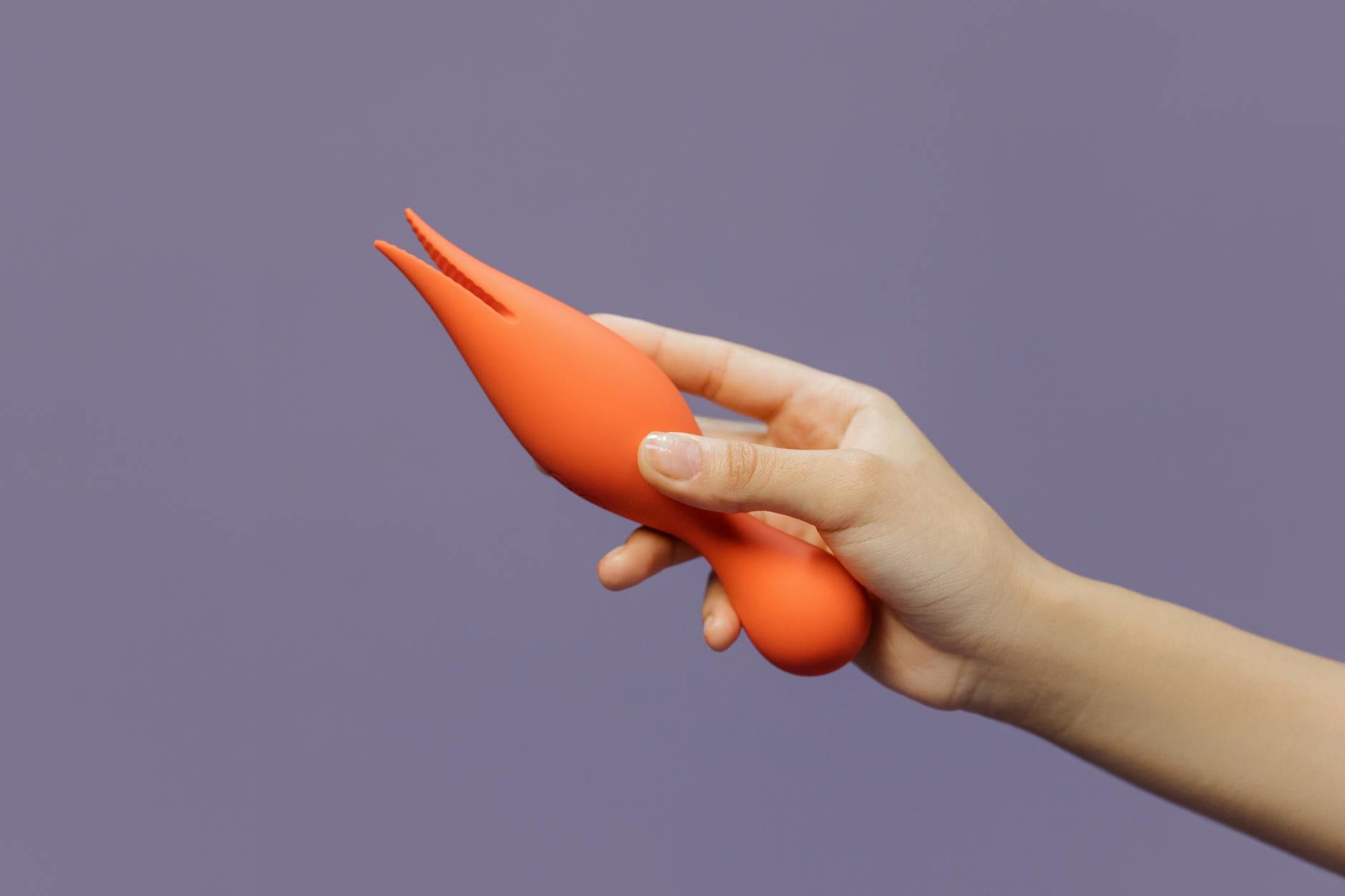
Here's why lemon clitoral vibrators can be genuinely useful during this phase. They give you a way to reconnect with direct physical pleasure that doesn't require the relationship context to be fully resolved first.
Solo use of a lemon vibrator creates what I call a "context reset." You're experiencing pleasure on your own terms, at your own pace, without having to navigate someone else's rhythm or timing or expectations. That matters more than it sounds. When you've been in a relationship where arousal felt complicated, relearning that your body can respond on its own, without needing permission or context, is actually a form of nervous system reset.
Lemon sexual toys like the clitoral vibrator work particularly well for this because the suction stimulation is fundamentally different from friction. It doesn't require the buildup of pressure or tension that partner touch might trigger. It's direct without being aggressive. For people whose bodies are in recovery mode, that distinction is important.
Starting from zero when connection feels fragmented
If you're using a clitoral vibrator for the first time since your relationship changed, give yourself permission to start small.
First session: just holding it. No pressure to do anything. Let your body get used to the object, the weight, the idea that pleasure can happen at your own instigation.
Second session: turn it on at the lowest setting. Notice what happens. There's no right response. Neutral is fine. Numb is fine. Arousal is fine. You're building a baseline.
Third session: explore what happens when you move it slightly, or change the angle, or adjust the intensity. You're not chasing an orgasm. You're asking your body what it actually wants right now.
This might take weeks. That's normal. When arousal has been tangled up in relational complexity, it takes time to untangle it. Rushing the process creates more tension, not less.
The partner conversation that matters
If you're considering using lemon vibrators with your partner as part of reconnection, the conversation should happen first, and it should be separate from sex.
Don't introduce a vibrator during intimacy and hope it works out. That creates a weird pressure dynamic where the toy becomes responsible for making sex work, and your partner might feel like they're being replaced.
Instead: "I've been thinking about ways to reconnect with my own pleasure while we rebuild trust. I'm interested in exploring with a clitoral vibrator. I'm not sure yet if I want that to be something we do together or something just for me, but I wanted you to know." That's honest. It sets expectations. It doesn't ask your partner to perform arousal they might not feel yet either.
Some couples find that incorporating a vibrator together actually helps rebuild intimacy because it removes the performance pressure. If your partner has also been anxious about "making it work," suddenly there's a tool that makes pleasure less dependent on their specific technique.
Other couples need more time with solo exploration before partnered use makes sense. Both are fine. The key is saying it out loud instead of keeping it secret, which creates a whole other layer of relational complication you don't need.
When arousal is genuinely lower and you're not sure why
Sometimes a relationship shift doesn't create trauma but does create a baseline shift in desire. Maybe you're less available emotionally and that translates to less available physically. Maybe you're processing grief about how things changed. Maybe you're angry in a way you haven't fully acknowledged.
If you're using a lemon vibrator and finding that even direct clitoral stimulation isn't landing the way it used to, that's information. It usually means something in the nervous system is still processing, not that you're broken.
What helps: journaling before you try. Five minutes of "what am I actually feeling right now?" Often what emerges is something other than "I don't want pleasure." It's usually "I don't feel safe" or "I'm angry" or "I'm grieving." Those are real feelings with real solutions that have nothing to do with whether your clitoral vibrator is effective.
Once you name the actual feeling, arousal often starts moving again. Because arousal lives in the nervous system, and the nervous system responds to emotional honesty.
Rebuilding confidence in your own desire
One of the strangest side effects of relationship transitions is that people often stop trusting their own arousal. You might start wondering: "Is this real or am I forcing it?" "Am I turned on or just complying?" "Can I trust what my body is telling me anymore?"
This is where solo exploration with a lemon clitoral vibrator becomes really valuable. You get to practice asking your body simple questions without anyone else's needs in the room.
Does this feel good right now? Yes or no. That's the only question. No subtext. No history. No "what does this mean." Just your body responding to direct stimulation.
When you can answer that question clearly and consistently, trust in your own arousal usually starts returning. And from there, partnered intimacy becomes less fraught because you know what you want, and you're not looking to your partner to fix something that was never broken in the first place.
FAQ: Arousal and relationship changes
Does arousal always come back after relationship trust is rebuilt?
Usually, yes. But the timeline varies wildly. Some people's arousal comes back the moment they feel safe again. Others take months. And some people find that their arousal doesn't return to exactly what it was before, which is fine. Arousal can evolve. What matters is that you feel connected to it again, not that it looks identical to the past version.
Is it okay to use a vibrator solo if my partner is uncomfortable with that?
Yes. Your solo pleasure is not negotiable. That said, if your partner has deep discomfort with masturbation or vibrators, that's worth exploring in a relationship context because it usually points to something else: anxiety about being "enough," religious conditioning, or fear that solo pleasure means you don't want them. A conversation (ideally with a therapist) can often unpack what's actually bothering them. But the answer to "can I use a vibrator" is always yes. Your partner's comfort is important, but your autonomy is nonnegotiable.
How long should I wait before trying partner sex again after a relationship breach?
There's no universal timeline. Some couples reconnect quickly. Others need months of separate healing before intimacy feels safe again. The question isn't "when is it okay" but "do both of us actually want this, or are we trying to rush the forgiveness process." Sex before both people are genuinely ready usually creates more damage, not less. Let your arousal (or lack thereof) be the compass.
Can using a vibrator solo help me figure out what I actually want from my partner?
Absolutely. When you explore your own pleasure without someone else's script, you learn what actually turns you on versus what you thought you should want. That information is gold. Bring it back to the relationship conversation: "I noticed I respond well to X" or "I don't actually enjoy Y the way I thought I did." That kind of honesty is what rebuilds real intimacy.
What if I'm using a lemon vibrator and I'm not having orgasms anymore?
Orgasm and arousal are different things. You might be genuinely aroused but not crossing the finish line, which is fine. But if you're getting nothing from stimulation that used to work, check in with the nervous system stuff we talked about earlier. Is there unprocessed anger? Grief? Ambivalence about the relationship? Sometimes pleasure is just locked until you address what's underneath. And if this is new, mention it to your doctor. Medications, hormonal changes, and a few medical conditions can affect this too.
Is it weird to use a clitoral vibrator with my partner after we've been through a difficult period?
Not weird at all. In fact, some couples find that adding a vibrator into partnered sex actually helps because it removes the performance pressure from both of you. If you're worried it's "weird," that usually just means you haven't talked about it yet. Talking about it first makes it way less weird.
The thing about arousal and trust
Arousal isn't just physical. It's a full-body vote of confidence. When your relationship changes, your body is essentially saying "I need to think about whether this is safe before I open up again." That's not a flaw. That's your nervous system doing its job.
Using lemon vibrators, exploring solo pleasure, and giving yourself time to rebuild confidence in your own desire is how you help that system recalibrate. You're not forcing arousal to return. You're creating conditions where it can return on its own timeline.
If you want support thinking through the relational piece alongside the physical reconnection, I'm always available. That's what I'm here for.