Let's talk about what happens after the fight
Relationship conflict doesn't just live in arguments. It lives in your body. After tension, after things were said that stung, after distance stretched across the bed for days, reconnecting sexually feels impossible. Your nervous system is still on guard. Trust is fractured. And initiating anything physical feels either terrifying or like surrender, neither of which is actually what you want.
Here's what I see in my practice: couples try to jump straight from conflict to sex, and it doesn't work. They need a bridge. Something that feels like moving toward each other without the vulnerability of traditional foreplay, especially when communication is still tender. Lemon vibrators, used intentionally, can be that bridge.
Why traditional reconnection advice fails
You've probably heard it before. "Have a conversation." "Go on a date." "Take it slow." All true, all important, and none of it actually gets you back into bed together in a way that feels good. What's missing is a framework for reestablishing consent, desire, and trust simultaneously. Most couples jump from emotional conflict straight to trying to prove things are okay through sex, which just piles new pressure on top of old resentment.
Lemon vibrators work differently because they shift the power dynamic. They give you both permission to focus on one person's pleasure at a time, without the performance pressure of partnered sex. They're also concrete. They show up, they do their job reliably, and there's no ego attached to a vibrator working well.
The consent and communication layer
Before anything touches anything, there's talking. Real talking, not logistics. I ask couples after conflict: "What would it feel like to touch each other again?" And usually, underneath the surface answer is fear. Fear that trying will hurt again, fear that they'll get rejected, fear that the other person is still angry.
Introducing a lemon vibrator into that conversation changes the question. Instead of "Do you want to have sex?" which carries all that weight, the question becomes "Would you want to explore pleasure together this way?" Lower stakes. More specific. Less room for old wounds to contaminate the moment.
Start by deciding together. Not "I brought this home," but actually choosing it as a couple. Pick the pattern, pick the pace, pick whether you're using it solo while they watch or whether you're taking turns. The decision-making is part of reconnecting.
Why lemon vibrators specifically rebuild intimacy
Lemon clitoral vibrators operate through suction and pulsing, not just vibration. That changes what happens neurologically. Suction creates sustained stimulation without the mechanical friction that can feel aggressive after conflict. It feels different from what you've done before, which matters when the old way didn't work.
Moreover, lemon vibrators are intentional tools. They require focus. You can't use them passively or while distracted. That focus is actually the reconnection. You're choosing, in real time, to pay attention to sensation. You're choosing to stay present with your partner while they do the same. That's intimacy, even before pleasure arrives.
The phased approach to reconnection
Phase one is solo, solo.
One of you uses the lemon vibrator alone while the other watches. Just watches. This matters because it removes performance anxiety and establishes that pleasure is still possible for both of you individually. It also rebuilds what I call "erotic attention." After conflict, couples stop looking at each other with desire. Watching your partner experience pleasure, without expectation of reciprocation, restarts that.
Start at pattern one or two. Let arousal build slowly. The goal isn't orgasm; it's reestablishing that your body still responds to stimulation. Spend 15 to 20 minutes here, even if it feels awkward at first. Awkwardness is normal. It's not a sign it's wrong.
Phase two is switching roles.
Now the other person explores with the vibrator. Same setup. Same slow approach. The person watching can touch their partner's shoulder, hold their hand, offer water. Small contact points that rebuild safety without triggering old conflict responses.
Phase three is collaborative exploration.
This is where lemon sexual toys become a bridge between solo and partnered pleasure. One person holds the vibrator while the other guides it. Or they take turns directing the pace. The point is that control is shared and explicit. "A little higher," "Slower," "Stay there." This communication is exactly what you needed during the conflict but didn't have. Now you're practicing it in a context where it feels safer.

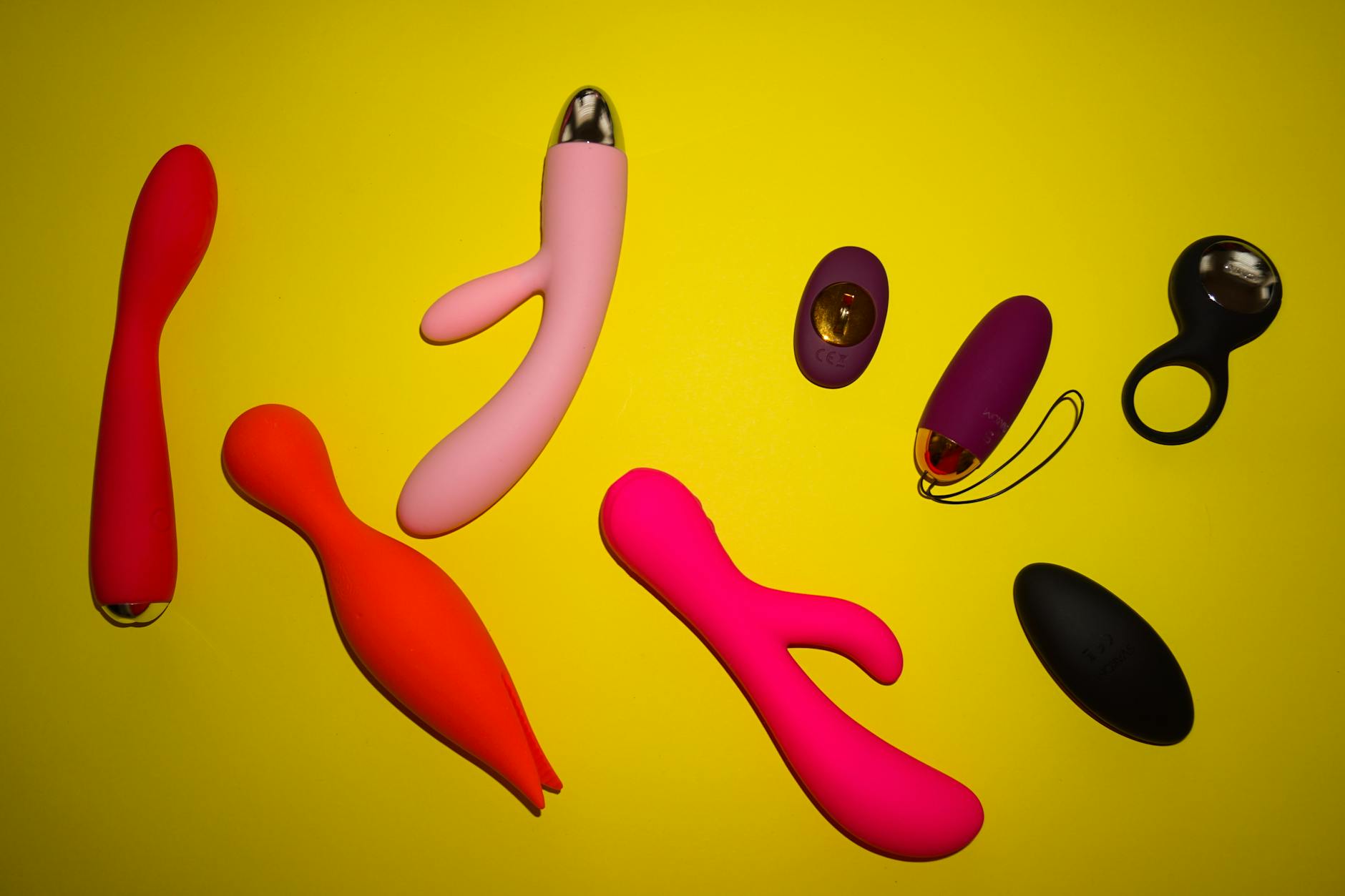
Photo by Madison Inouye on Pexels
What communication sounds like during this
During phase three, I coach couples to stay specific and kind. Not "This feels good," which your partner will second-guess. But "When you slow down, that concentrates sensation more," or "I like the pattern where you move it slightly." You're not praising each other; you're narrating what's happening in your body.
If something doesn't feel good, that's information, not rejection. "That's too intense right now" is not a reflection on your partner. It's a boundary, and boundaries are what rebuild safety.
Many couples find that this communication pattern spills into other parts of the relationship. After reconnecting with lemon vibrators around pleasure, they're better at naming what they need in conflict too. They've practiced the language.
Timing and practical setup
Don't do this the day of reconciliation. Give it 48 to 72 hours. Let the nervous system settle. Let a conversation or two happen. Let there be a moment of calm between the conflict and the reconnection.
Choose a time when you're not rushing. Not five minutes before bed. Give yourselves 45 minutes to an hour. The first 15 minutes might just be lying together, talking about what you want this to feel like. Another 15 minutes for phase one. Then phase two. Then maybe phase three, or maybe you stop there and try that another night.
Setup matters too. Fresh sheets, if that feels symbolic. A locked door. Your phone on silent. These details say: this time together is important enough to protect.
What happens after the vibrator
You might not transition to partnered sex immediately. That's actually the point. If you do, great. If you both just lie there holding each other afterward, that's reconnection too. The goal is that your body remembers it's safe with this person. That takes time.
Some couples find that using lemon clitoral vibrators together becomes part of their regular intimacy after conflict. Not as a replacement for sex, but as a reset button. When tension builds again, before it becomes a full fight, they can use it to reconnect early. Prevention works better than repair.
Others find they need to address the underlying conflict more deeply. A vibrator is not therapy. It's a tool for rebuilding the physical practice of intimacy while you're doing the emotional work separately.
When to bring in more support
If you've experienced repetitive conflict patterns that lemon vibrators can't address, couples therapy is the next step. If one person is using the vibrator and the other is still angry or withdrawn, forcing reconnection won't work. You need to understand what caused the conflict first.
But if the conflict was about distance, about feeling unseen, about the relationship becoming routine, about sex becoming pressurized. Then lemon vibrators can absolutely help. They give you back permission to explore, to communicate, to be present with each other.
FAQ: Reconnection and pleasure after conflict
How long after an argument should we wait before using a lemon vibrator together?
Wait at least two to three days. Your nervous system needs time to downregulate. If you try to reconnect physically while both of you are still raw, it often amplifies tension rather than healing it. Use that time to have at least one calm conversation about what you both want reconnection to feel like.
What if my partner isn't comfortable with toys?
Start the conversation outside the bedroom. "I've been thinking about how we reconnect after fights, and I read that some couples use vibrators as a way to rebuild intimacy. What would that feel like for you?" Many people hesitate because they've never tried it, not because they're fundamentally opposed. Giving them time to think, and offering to research together, makes a difference. If they're still not comfortable, respect that. There are other reconnection tools.
Can using a lemon vibrator make us avoid talking about the real issues?
Absolutely, if that's what you use it for. A vibrator is not a substitute for addressing why the conflict happened. It's a tool for rebuilding safety and communication while you're also doing the harder work of understanding each other. If you use it to skip the conversation, resentment will just build again.
Is it normal to feel awkward the first time?
Completely. You're vulnerable, you're newly reconnecting, and you're doing something new. Awkwardness is part of rebuilding intimacy. It usually passes by the second or third time, once the novelty wears off and your body starts to trust that this is safe.
What if orgasm doesn't happen during reconnection?
Then that's not the goal right now. Reconnection after conflict is about reestablishing presence, communication, and trust. Pleasure will follow more naturally once those are back in place. Pushing for orgasm often adds pressure that undermines everything you're trying to rebuild.
How do we know if we're ready to move back into regular partnered sex?
When you can be present with each other without tension in your shoulders, when you can initiate without fear of rejection, when communication feels safer. A lemon vibrator helps you practice that foundation. You'll feel it when you're ready to build from there.
The reconnection takes time
Using lemon vibrators after conflict isn't magic. It's a structured way to practice intimacy when trust has been damaged. It gives you a framework for rebuilding communication, for reestablishing consent, for remembering that your bodies can still feel good together. The conflict doesn't disappear. But the distance does. And that's where real reconnection begins.
If you're navigating relationship tension and want to explore this more deeply, reach out. Sometimes the bridge back to each other needs more than a vibrator. Sometimes it needs guidance.