Here's the uncomfortable truth about mismatched desire
One partner wants sex. The other partner doesn't. Not "doesn't right now." Doesn't want it the way it used to happen, doesn't initiate, and when sex happens, something feels off for both people. This is the scenario I see most often in my practice, and it's also the one people talk about least.
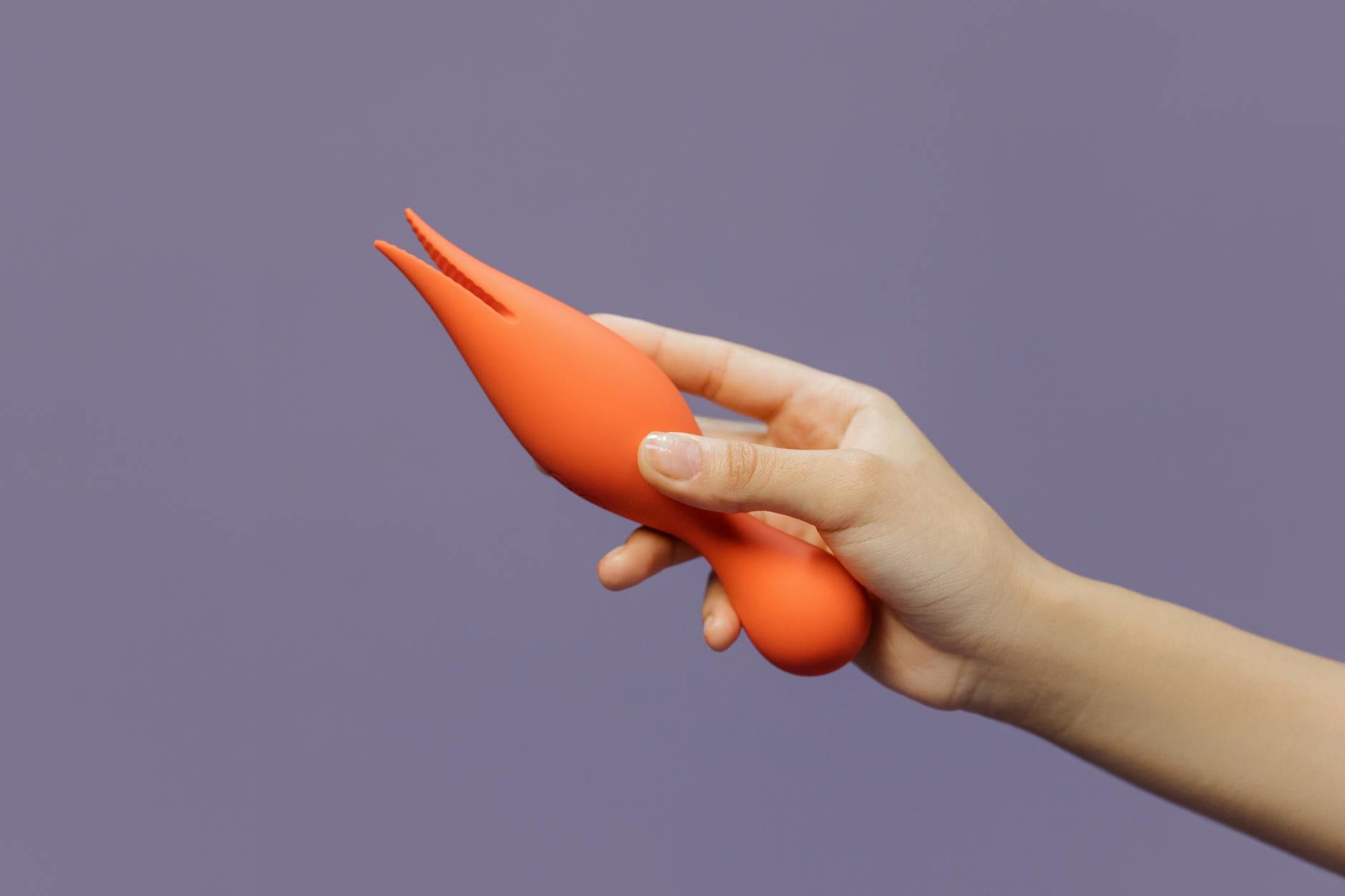
Introducing a clitoral vibrator like the Lem into this dynamic doesn't automatically fix anything. But it can shift the entire conversation from "something's wrong with us" to "let's try something different together."
Why arousal mismatches feel like relationship failure
When one partner has significantly lower arousal or desire than the other, the higher-desire partner often feels rejected. The lower-desire partner feels pressured. Both people blame themselves. Both people blame their partner. Both people assume the relationship is broken in some fundamental way.
Most of the time, what's actually happening is one of three things: a physiological shift (medication, hormones, health change), a relationship issue that's showing up as lowered desire (resentment, disconnection, unresolved conflict), or a mismatch in what stimulation feels good now versus what felt good five years ago.
A lemon clitoral vibrator isn't a cure for relationship resentment. But it can be a tool for reopening a conversation about what pleasure looks like now, together.
The pattern nobody talks about
Here's what I observe: when arousal becomes difficult for one partner, the other partner often responds by trying harder. More persistence, more initiating, more romantic gestures. This paradoxically makes arousal harder, because desire lives in freedom, not pressure.
Then shame shows up. The lower-desire partner feels broken. The higher-desire partner feels undesirable. Both people stop trying altogether, which can last months.
That's where a tool like the Lem can actually help. Not as a substitute for sex with your partner, but as a bridge back to pleasure together, on new terms.
Three conversation starters before introducing a toy
If you're the partner wanting to bring a vibrator into the dynamic, the order matters. You don't bring it. You talk first.
Start here: "I've noticed things feel different between us physically, and I don't want to assume why. Can we talk about what's shifted for you?" This is not an accusation. It's an opening.
Listen without defending. Your partner might say: "I'm exhausted," or "I don't feel close to you right now," or "I just don't get aroused the way I used to." All of those are data points. None of them mean the relationship is over.
Then: "What would help you feel more interested in sex?" This is open-ended on purpose. They might say: more emotional connection, less pressure, different timing, different kinds of touch. Listen for what's actually being asked for, which is often not what the words literally say.
Finally: "I want to try something new together. Would you be open to exploring that?" Only after they've said yes should you mention toys. And you mention them as something you want to try together, not something to fix them.
How a lemon vibrator actually changes the dynamic
A clitoral vibrator does three things that help in specifically this situation.
First, it removes performance pressure. When arousal has become difficult, partner-provided stimulation can feel like a test. Am I doing this right? Why isn't this working? Is something wrong with me? A vibrator like the Lem is consistent, predictable, and doesn't depend on either partner's anxiety level. It just works.
Second, it shifts from obligation to exploration. "Let's try this together" is a completely different conversation than "you need to want sex more." One is collaborative. The other is demanding. Using a clitoral vibrator becomes an activity you're doing together, not a medical fix for your broken partner.
Third, it often unlocks what was actually happening beneath the arousal issue. Sometimes once the pressure lifts and pleasure starts rebuilding, the partner who had low arousal realizes they actually do want sex, just in a different way. Sometimes they realize they've been harboring resentment that needs to be addressed separately. Either way, you're getting information instead of silence.
Practical logistics that matter
If your partner has been struggling with arousal or desire, introducing a lemon clitoral vibrator (or any vibrator) requires thinking about when, how, and what comes after.
Timing. Not when they're tired, not when there's been conflict that day, not when there's external stress looming. Pick a day when you're both relatively calm. Afternoon is often better than evening because people are less depleted.
Setting expectations. "We're going to try this toy together tonight. There's no goal here. We're just exploring what feels good." Release the pressure around orgasm. Release the pressure around performance. You're testing a tool, not auditioning for sex.
The actual introduction. You might use the Lem on yourself first while your partner watches, so they can see how it works without feeling watched or judged for their own response. Or you might explore it together on their body. Let them choose the pattern and intensity. This is about their pleasure and their comfort, not about turning them on fast.
After. Don't immediately ask how it felt. Don't treat it like a test result. Maybe just lie there together. Maybe talk about what felt good. Maybe nothing feels good yet, and that's fine. You're rebuilding a conversation that got stuck, not fixing it in one night.
When to bring in actual professional support
If you've tried this and arousal genuinely isn't returning, or if you realize during the conversation that there's deeper relationship conflict underneath, that's when you talk to someone trained in this work. A sex therapist or couples counselor who specializes in desire and arousal mismatches can help you figure out whether this is fixable, and what fixing actually looks like.
I'm not going to tell you that a lemon clitoral vibrator solves relationship disconnection. It doesn't. But it can be a tool for reopening a conversation that got shut down by shame and pressure. And sometimes that's the exact place you need to start.
FAQ: navigating low arousal with your partner
Can using a vibrator with a low-desire partner make things worse? Yes, if it's framed as "you're broken, this will fix you." No, if it's framed as "let's explore what feels good now." The difference is consent and communication. If your partner feels ambushed or pressured, it will backfire. If they feel invited to collaborate, it often opens a door that was closed.
What if my partner thinks wanting to use a vibrator means I'm not attracted to them anymore? This is common and worth addressing directly. "I want to try this because I want us to feel good together again, and I think this could help us reconnect. It's not about what I think of you. It's about us rebuilding something." Then listen to their concern underneath the statement.
How long should we wait to try a vibrator if we've been having no sex for months? Don't wait until things feel normal again. Wait until you've had one real conversation about what's shifted, and your partner has said yes to trying something new. That conversation is often the actual turning point, more than the vibrator itself.
What if they say no to trying a vibrator? That's important information. Ask why. "What would feel less threatening to you?" Maybe they want to try manual stimulation first. Maybe they need to talk to a therapist about their own feelings about toys. Maybe they're worried about pressure from a vibrator if arousal is already hard to access. Listen to the no. It's telling you something real about what they need.
Is it normal for arousal to take way longer after a certain point in a relationship? Completely. Arousal is not static. It changes with health, hormones, stress, relationship dynamics, and life stage. Some partners need longer warm-up time. Some need a different kind of touch. Some need a specific emotional state. The Lem and other lemon clitoral vibrators work well here because you can control the intensity and pattern independently of the relationship stuff happening around it.
What if we try this and nothing changes? Then you have more information than you had before. You know the issue isn't a technical one. It's likely emotional or relational. That's when professional support becomes really valuable. You're not broken. You're just stuck in a pattern that needs outside help to unlock.
The thing people get wrong about desire
Desire isn't something you fix. It's something you build together. A lemon vibrator like the Lem can be part of that building process, but only if you're also building trust, communication, and safety alongside it. Use the vibrator as permission to start the bigger conversation, not as a replacement for having it.
Your partner's arousal isn't your job to fix. But your willingness to explore together, honestly and without judgment, is how you stay connected while things change. That's the actual work.