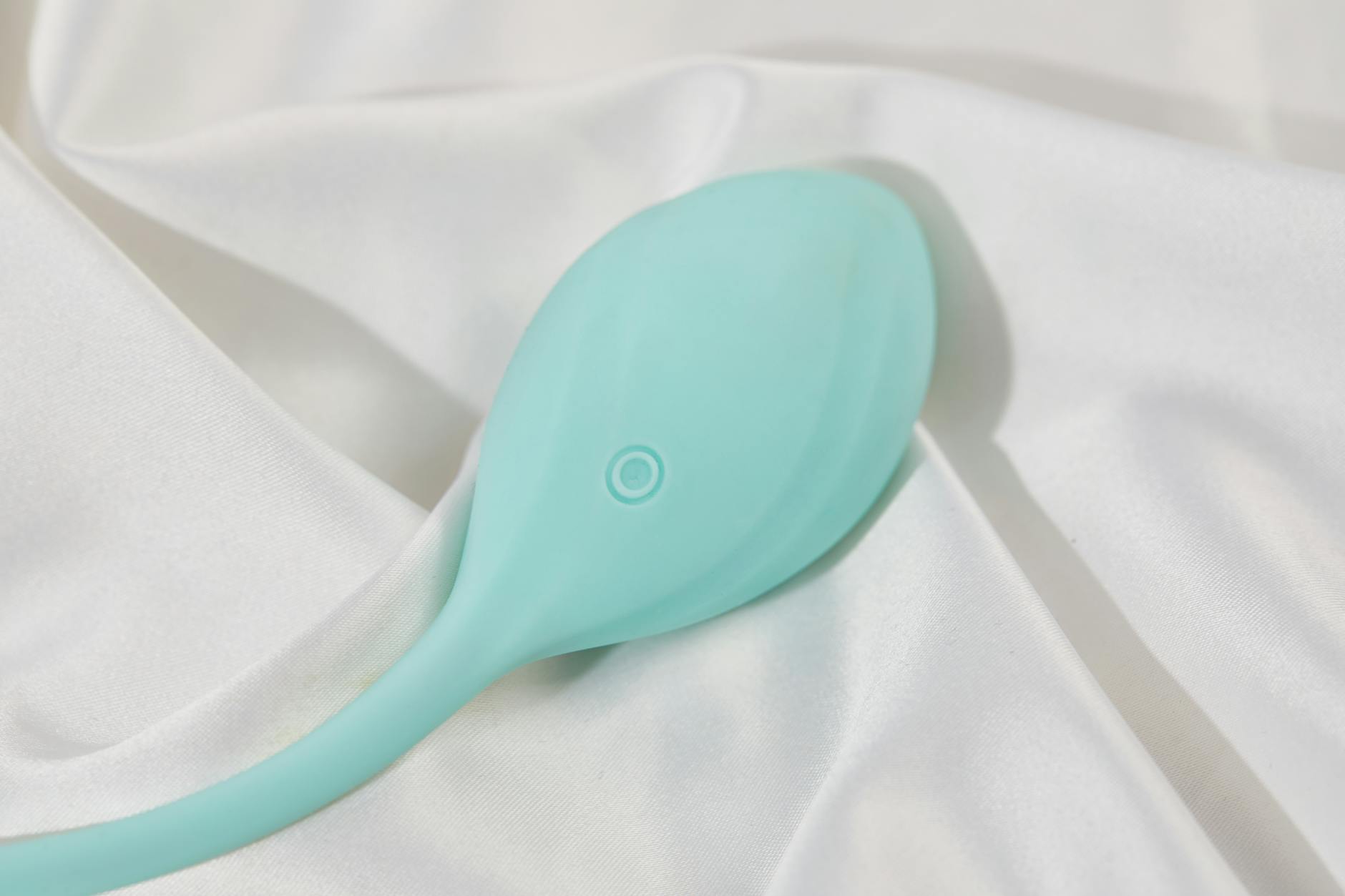
Let's be real about pelvic pain and pleasure
Vaginismus and pelvic floor dysfunction are lonely diagnoses. The internet tells you it's common, which somehow makes it feel more isolating. You're dealing with a body that's protecting itself a little too well, and somewhere in that protection, pleasure got locked away too.
Here's what I want you to know first: a lemon clitoral vibrator isn't a cure, but it can be part of how you come back to yourself. Not despite the pain, but alongside it.
What happens with pelvic pain and arousal
When your pelvic floor is chronically tense, your body is stuck in a protective posture. Vaginismus is involuntary muscular tension, usually triggered by penetration or the fear of it. The nervous system has learned that this area isn't safe, so it clamps down. Your brain follows suit.
Arousal is supposed to involve relaxation. Blood flow to the genitals, softening of the pelvic floor, expansion of the vaginal canal. When your baseline is tension, arousal can't do its job. Pleasure gets muted. Orgasms feel distant or impossible.
This is why external, clitoral stimulation matters. The clitoris sits outside the pelvic floor tension zone. A lemon vibrator can create pleasure without triggering the protective response that makes penetration difficult. You're building a pathway back to sensation that bypasses the guard rails.
Why air-suction clitoral vibrators work differently for pelvic pain
Most vibrators rely on rapid repetitive movement. That can feel overwhelming or even painful if your nervous system is already in alarm mode. You need gentleness without sacrificing effectiveness.
Air-suction technology (what makes a Lemon work) creates a massaging sensation instead of harsh vibration. It's cumulative. The sensation builds slowly, which gives your nervous system time to recognize it as safe. You're not shocking your body into pleasure. You're inviting it.
For people with vaginismus or pelvic pain, this matters because:
- You can start at the lowest intensity without feeling guilty about needing more time
- There's no sharp impact that triggers a protective flinch
- The sensation is contained to the external clitoris, not radiating into areas of tension
- You maintain full control. You can pause, adjust, breathe without disrupting the experience
Starting slow: the first week protocol
If you're using a lemon clitoral vibrator for the first time with pelvic pain, this framework helps.
Day one through three: Hold the device. Don't turn it on. Get used to the weight, the shape, how it feels in your hand. This is nervous system training. You're teaching your brain that this object is neutral.
Day four: Turn it on at the lowest setting (pattern one) for five to ten seconds, then off. No expectation of pleasure. Just sensation. Notice what your body does. Does your pelvic floor tense? That's information, not failure.
Days five through seven: Longer intervals. Thirty seconds on, rest. Notice if you're breathing. Most people with pelvic tension hold their breath during stimulation, which makes everything tighter. Breathing changes the entire experience.
You're not trying to come. You're trying to prove to your nervous system that this is safe. Orgasm will follow when your body believes it.
Building tolerance and sensation
After the first week, most people can handle longer sessions and slightly higher intensities. But tolerance for pelvic pain is different than tolerance for pleasure. You're not chasing more stimulation to feel something. You're gradually expanding what feels good without pain.
A useful metric: can you use the device for five minutes without your pelvic floor tensing? That's your baseline. Once you're there consistently, you can experiment with patterns.
As you rebuild sensation, you might notice something unexpected: the clitoris becomes more sensitive, not less. This is good. It means nerve endings are waking up. It also means you might need to dial back intensity occasionally. That's not a step backward. Your nervous system is learning to process pleasure again.
The role of external factors
Technique matters, but context matters more. You can have the best lemon clitoral vibrator and still struggle if you're:
- Using it while anxious about "performance"
- In pain from other sources (dehydration, muscle tension elsewhere, hormonal shifts)
- Distracted or rushed
- Using it alone when partner involvement would help (or vice versa)
If you have a partner, let them know what you're doing and why. This isn't something to hide. Many partners feel relief learning that you're taking active steps to reclaim your body. They often want to participate, even if that just means sitting nearby while you explore.
Consider the environment. Warm room, locked door, time you don't have to rush. Comfort is your nervous system's primary concern right now. Pleasure follows when safety is established.
When to pair this with professional support
A lemon vibrator is a tool, not a therapist. If you have vaginismus or chronic pelvic pain, you likely benefit from pelvic floor physical therapy alongside anything you do at home. A pelvic PT can teach you where you're holding tension and how to release it consciously. That makes vibrator use exponentially more effective.
Talk to your therapist (or find one who specializes in pelvic pain) about what you're doing. They can give you personalized feedback. Some people benefit from dilator work alongside vibrator exploration. Others need to address the nervous system component first.
This isn't something you need to figure out alone, and it's not something that should feel like work. If using a device becomes another source of pressure or shame, you're not on the right timeline.
What changes as you heal
Many people report that after weeks or months of gentle exploration with a clitoral vibrator, the entire experience of their body shifts. Penetration becomes possible again. Or it doesn't, and that's okay too. Pleasure exists on the clitoris.
Some notice their partners' touch feels different. Less triggering. More connected. Others discover that solo pleasure, which was locked away, becomes a form of self-care and reclamation.
The goal isn't to "fix" yourself into someone you were before the pain. It's to build a new relationship with your body that includes pleasure, safety, and trust.
People also ask
Can I use a lemon vibrator if I have vaginismus?
Yes. Vaginismus is about involuntary contraction during penetration, but clitoral stimulation doesn't trigger that response in most cases. External clitoral vibration can be a safe entry point back to arousal and pleasure. Start low and slow, and stop if you feel your pelvic floor tensing.
Will using a vibrator make my pelvic pain worse?
Not if you listen to your body. Pain during or after use is a sign you've gone too fast or too intense. Pull back. The goal is sensation without discomfort. If you consistently experience pain, talk to your pelvic PT or doctor. You might need to address other factors first.
How long does it take to rebuild sensation if I have pelvic pain?
It varies. Some people notice changes in two to three weeks. Others need two to three months. This isn't a race. Your nervous system is learning that pleasure is safe again. That process can't be rushed, but it does happen when you're consistent and patient.
Should I use lubricant with a lemon clitoral vibrator?
You don't need to, but some people prefer it. Water-based lube can reduce friction if the area feels sensitive. It won't hurt to try it. Use a tiny amount and see how your body responds.
Can my partner help me use a clitoral vibrator if I have vaginismus?
Absolutely. Some people find partner involvement helps with the nervous system piece. Knowing someone you trust is present and supportive can make your body feel safer. But only if that feels right to you. Solo exploration works too.
What if I still can't feel pleasure after weeks of trying?
This might mean you need additional support. Talk to your doctor or pelvic floor specialist. Sometimes numbness or absent sensation points to something else (medication side effects, hormonal factors, deeper nervous system dysregulation) that needs to be addressed separately. A vibrator works best when paired with comprehensive care.
Your body is not broken
Pelvic pain changes how you relate to pleasure, but it doesn't eliminate your right to it. A lemon clitoral vibrator is one tool for rebuilding that relationship. Patience, professional support, and a willingness to listen to your body are the others.
You don't have to choose between healing and pleasure. They can happen together. If you have questions about what approach might work best for your situation, we're here to help. Reach out to contact and let's figure this out.
References & sources
- American College of Obstetricians and Gynecologists. Chronic Pelvic Pain. ACOG Committee Opinion.
- Engman, M., et al. (2010). Vaginismus and Dyspareunia. Current Sexual Health Reports, 2(4), 186-191.
- Rosenbaum, T. Y. (2005). Musculoskeletal Pain and Sexual Function. Journal of Sexual Medicine, 2(3), 330-334.
- Basson, R., et al. (2000). Report of the International Consensus Development Conference on Female Sexual Dysfunction. Journal of Urology, 163(3), 888-893.