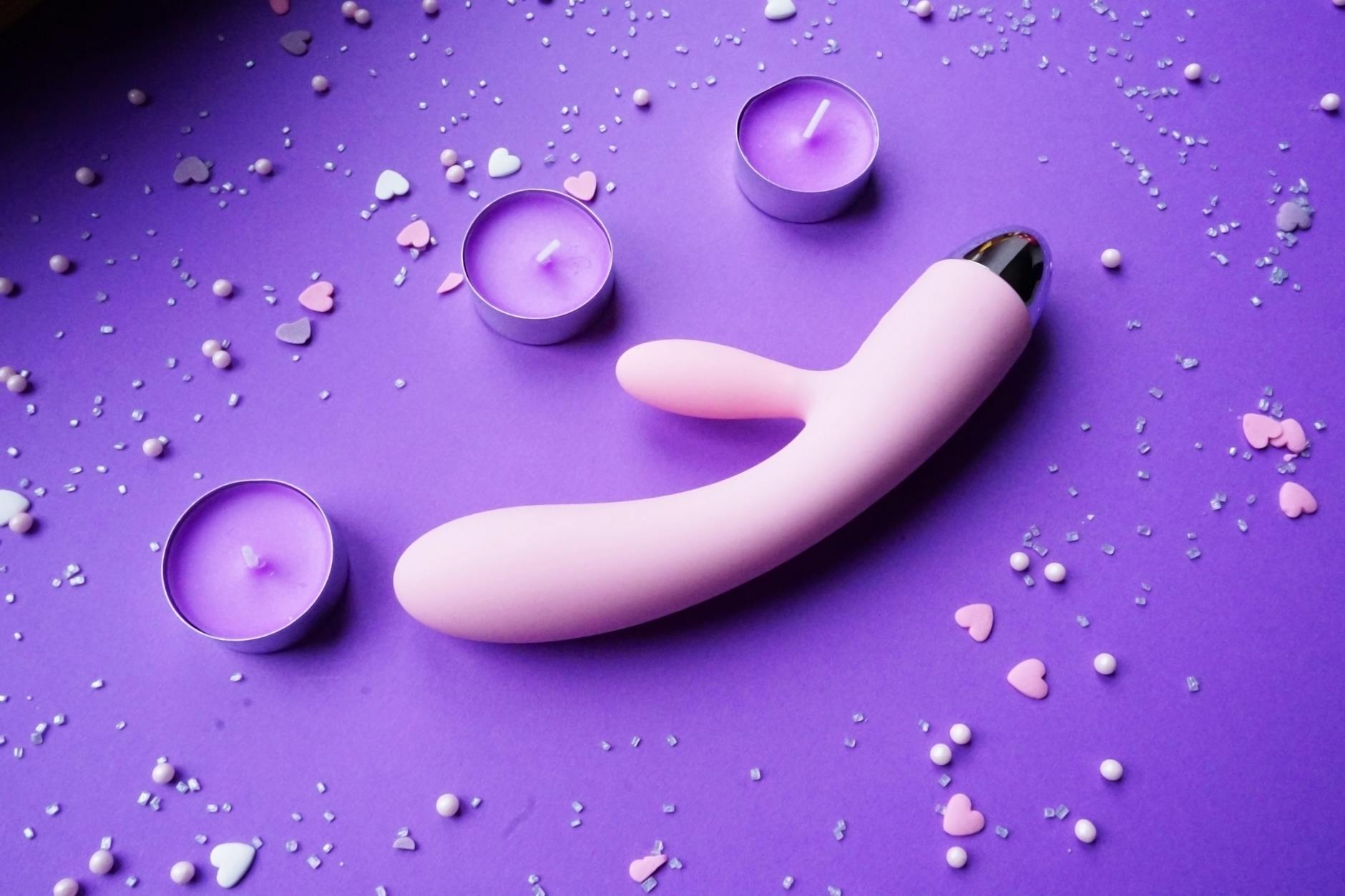
How to Use a Lemon Vibrator If You Have Pelvic Floor Dysfunction
Here's the thing about pelvic floor dysfunction and pleasure devices
Pelvic floor dysfunction is wildly misunderstood. People assume it means you can't have sex or use toys. It doesn't. It means the muscles are either chronically tight (hypertonic) or too weak to engage properly (hypotonic), and that changes the experience. A lemon clitoral vibrator can actually be your most useful tool right now, but only if you're using it the right way.
I work with couples navigating this all the time. The pattern is usually the same: someone tries to use their vibrator the way they always have, it feels wrong or uncomfortable, and they stop trying altogether. Then they feel broken. They're not. They just need a different approach.
What pelvic floor dysfunction actually does to sensation
Your pelvic floor is a web of muscles that sits at the base of your pelvis. When it's chronically tight, it's like holding your bicep flexed for hours. Everything feels intense, defensive, sometimes painful. Direct stimulation can feel almost jarring. When it's too weak, sensation feels muted. Vibration might feel like nothing, or it gets lost in the muscle fatigue.
Here's what changes: the way stimulation travels through the tissue. Normally, vibration spreads evenly. With pelvic floor tension, it concentrates in the tightest spot, which usually means discomfort rather than pleasure. With weakness, the muscles can't hold the vibration's effect long enough for arousal to build.
The good news is that a lemon vibrator's pattern-based stimulation is specifically useful here. Unlike a traditional wand, which relies on sustained pressure, the Lem uses rhythmic pulses. That's actually the opposite of what makes pelvic floor dysfunction worse.
Why pattern-based lemon vibrators work better than intensity
Most people with pelvic floor dysfunction reach for lower intensity. That helps, but it's only half the answer. The real game-changer is switching from sustained vibration to patterned stimulation.
A sustained buzz is basically asking your pelvic floor to hold a constant contraction. That's what makes it worse. A pattern, on the other hand, asks the muscles to pulse and release in rhythm with the device. That's closer to the natural firing sequence of healthy arousal.
With the Lem's patterns, you're not wrestling against your pelvic floor. You're working with its natural rhythm. Pattern 1 or 2 (the gentler, slower options) often feel more effective than a higher intensity on a basic wand would. Your nervous system gets feedback it can process without triggering the protective tension response.
Pre-use prep that actually matters
Three things change the entire experience:
1. Warm up first. Not just arousal, though that too. I mean physical relaxation. Spend 5-10 minutes breathing deeply, maybe with a heating pad on your lower belly. Progressive muscle relaxation helps. Tense your pelvic floor for 5 seconds, then release for 10. Repeat 5 times. This teaches your nervous system what release actually feels like.
2. External stimulation only, initially. If you have pelvic floor dysfunction, internal penetration can trigger protective tension. Start with clitoral stimulation only. Use the Lem over underwear or a thin barrier for the first few sessions. You're training your body that this is safe. Once that feeling settles, you can explore internal use, but there's no rush.
3. Lubrication as a foundation tool. Even external use benefits from lubrication when your pelvic floor is tight. Lube reduces friction and the sensation of pressure, which means less defensive guarding. Water-based lube is gentlest. This is one of the few cases where it's not about arousal. It's about nervous system safety.
Starting with patterns, not intensity
If you're using the Lem, you have eight patterns to work with. Start at pattern 1. Spend a full week or two there. I know that sounds slow. It's exactly right.
Pattern 1 is gentle and slow. It gives your nervous system time to recognize the sensation as pleasure rather than threat. Your pelvic floor will start to anticipate the rhythm and sync with it, rather than bracing against it.
After two weeks at pattern 1, you can experiment with pattern 2. Same approach. Spend time there before moving higher. Most people with pelvic floor dysfunction find their pleasure sweet spot at patterns 1-3. That's not a limitation. That's the amount of input your system can process into genuine pleasure right now.
Skipping ahead to patterns 6-8 is how people develop aversion. The intensity triggers the protective response, and then the vibrator becomes associated with discomfort instead of pleasure.
Duration and sessions matter more than you think
When your pelvic floor is tight, shorter sessions are more productive than long ones. Aim for 10-15 minutes, not 30-40. Your pelvic floor fatigues faster when it's already tense. Once it fatigues, sensation goes numb and you end up pushing harder to feel something, which makes the tension worse.
Have 2-3 shorter sessions per week rather than one long one. This trains your nervous system gradually. Each session should feel pleasurable and easy. If you're straining, gritting your teeth, or feeling that familiar clenching, stop. That's not a sign you need more pressure. That's a sign your pelvic floor is protecting. Honor that.
Many people find that the second or third session of the week feels noticeably different and easier. That's your nervous system learning. Keep that rhythm consistent.
When to pause and when to push through gently
There's a difference between "this feels different" and "this hurts." Learn to tell them apart.
Different is fine. If the Lem's pattern feels unusual at first, that's expected. Your body is meeting a new sensation. Give it 2-3 sessions to settle. Different usually becomes pleasurable pretty quickly.
Hurt means stop. Sharp pain, burning, cramping that gets worse (not better) during stimulation. That's your pelvic floor in protective mode. If you hit that, pause for the day. The next session, go back a pattern or two and spend more time warming up first.
If pain persists across multiple sessions, check in with a pelvic floor physical therapist before continuing. Sometimes what feels like pelvic floor dysfunction is actually something that needs assessment. A PT can give you specific guidance on when and how to use vibration safely in your situation.
Breathing changes everything
Most people hold their breath during arousal anyway. With pelvic floor dysfunction, shallow breathing makes the tension worse. Your pelvic floor is literally connected to your breathing mechanics.
During use, deliberately breathe. Deep belly breaths, not chest breaths. Inhale for a count of 4, exhale for a count of 5. Make the exhale longer. This activates your parasympathetic nervous system, which is the relaxation side. Your pelvic floor will follow.
It sounds simple because it is, and it works. Half the time, when someone with pelvic floor dysfunction feels sudden improvement, they've just started breathing properly during pleasure instead of holding their breath.
Integration with physical therapy
If you're working with a pelvic floor PT, tell them you're using a vibrator. Good PTs want to know. They can give you specific guidance on which patterns align with your treatment plan.
Sometimes a PT will actually recommend increasing vibrator use at certain patterns because it teaches your pelvic floor to relax on cue. Other times they'll suggest pausing for a few weeks while you work on foundational relaxation first. This is individual. But keeping your PT and your pleasure practice in conversation is the fastest path to real improvement.
Pelvic floor dysfunction is not a reason to avoid pleasure devices. It's a reason to be intentional about how you use them.
FAQ: Pelvic Floor Dysfunction and Clitoral Vibrators
Can I use a lemon vibrator if my pelvic floor is too weak to feel sensation?
Yes, but differently. Weakness usually means you need stronger input initially. Start with pattern 3 or 4 instead of pattern 1. Your goal is to give the muscles enough feedback to know they're being stimulated. As sensation returns and the muscles get stronger through use and possibly PT, you can dial back the intensity. If a basic lemon vibrator isn't giving you feedback, a wand vibrator might feel more noticeable initially, but come back to the Lem as your pelvic floor strengthens. The pattern-based approach is still your long-term friend.
Is it normal for orgasms to feel different or harder to reach with pelvic floor dysfunction?
Completely normal. Your pelvic floor contracts during orgasm. When it's dysfunctional, that reflex is either dampened or painful. It takes longer to build an orgasm because your nervous system is working around the dysfunction. Many people find that with consistent use of a vibrator at the right pattern, combined with pelvic floor PT, orgasms become easier and feel more intense within 3-6 months. Patience is part of the healing.
Can vibrator use actually help pelvic floor dysfunction improve over time?
Yes, genuinely. When used correctly (which means the right pattern, not high intensity), vibrator use trains your pelvic floor to sync with rhythmic stimulation and relax between pulses. This is actually a form of biofeedback. You're teaching the muscle a new pattern. Combined with physical therapy, it's one of the fastest ways to see improvement. Alone, it helps. With PT, it's transformative.
Should I use a vibrator if I have pain during sex from pelvic floor dysfunction?
Depends on the type of pain. If penetration itself is painful, stick to clitoral stimulation with the Lem only. If pain is more of a dull ache or tension that comes after sex, light vibrator use might actually help release that tension. If pain is sharp or severe, check with a provider first. Don't assume vibration will make it worse. Often it helps. But individual variation is real here.
How long does it take for a lemon vibrator to feel good if I have pelvic floor dysfunction?
Usually 3-4 sessions of consistent use, so about 2-3 weeks if you're using it twice weekly. Some people feel improvement the first time if they start with the right pattern and good preparation. Others need a month. The timeline depends on how long your pelvic floor has been tight and whether you're doing other work (PT, stretching, breathing practice) alongside vibrator use. The more holistic your approach, the faster you'll feel the shift.
Is using a lemon vibrator safe if I haven't been diagnosed yet but suspect pelvic floor dysfunction?
Start gently and pay attention. If you notice that vibration consistently makes things feel tighter or more painful, not better, pause and get assessed. The Lem's gentler patterns are safe to experiment with. You're not harming anything by using it. But if something doesn't feel right, that's useful information to bring to a provider. Suspected pelvic floor dysfunction is actually a good reason to try a pattern-based vibrator like the Lem before a traditional wand. The patterns are gentler on a system that's already defensive.
What happens next
Pelvic floor dysfunction is one of the most reversible sexual health challenges. It responds beautifully to the right combination of relaxation, intentional stimulation, and sometimes physical therapy. A lemon vibrator isn't a cure. It's a tool that, used the right way, trains your nervous system to associate pleasure with relaxation instead of tension.
Start with pattern 1. Breathe. Be patient. And if things aren't improving after a month of consistent use, a pelvic floor physical therapist is worth the investment. You're not broken. You're just learning a new way forward.
Questions about how to integrate vibrator use into your specific situation? We're here to talk through it at /contact.