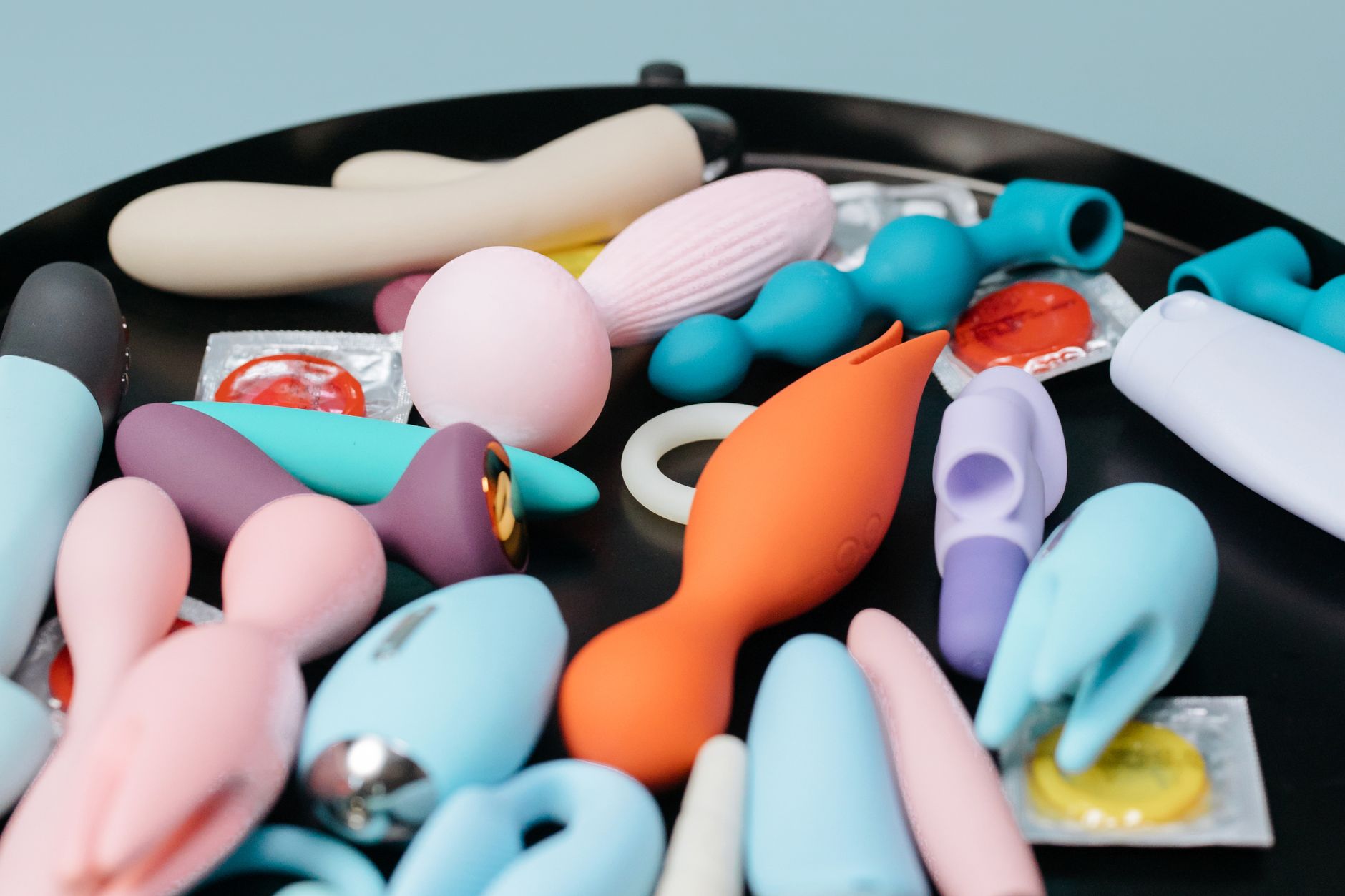
When the usual vibrators just aren't working
Let's be real. You've tried a few vibrators. Maybe more than a few. And they feel like... not much. A buzzing sensation, sure. But that deep, focused pleasure everyone talks about? It's not showing up. That doesn't mean something is wrong with you. It means you might have what clinicians call a high sensation threshold, and you need a different kind of tool.
I've worked with hundreds of people who hit this wall, and the pattern is always the same: they assume their body is broken, when actually their body just needs stimulation that's more targeted, more sustained, and more intentional than what traditional vibrators deliver. That's where a lemon clitoral vibrator changes the game. Suction technology works on completely different neural pathways than vibration alone.
Why standard vibrators underperform for high sensation thresholds
Here's the physiology. Traditional vibrators use rapid, repetitive stimulation. That works brilliantly for some people. For others, especially those with higher sensation thresholds, that rapid buzzing barely registers. It's like someone lightly tapping your arm versus pressing firmly. The pressure activates different nerve endings.
High sensation thresholds aren't uncommon. Medications like antidepressants (SSRIs especially), hormonal shifts from birth control or perimenopause, neuropathy, or even just genetic variation in nerve sensitivity can raise the bar for what registers as pleasure. Add anxiety or stress into the mix, and your nervous system gets even pickier about what it pays attention to.
The thing about lemon vibrators, specifically, is that they combine two things. The suction cups create sustained pressure and gentle pulling rather than just vibration alone. That pressure activates mechanoreceptors deeper in the tissue, not just surface-level nerve endings. It's why people with high sensation thresholds often report that they feel a lemon clitoral vibrator immediately, whereas they've been using other toys without much sensation.
How suction technology works differently
A lemon vibrator doesn't just vibrate. It creates a gentle rhythmic suction that pulls delicate tissue. Think of the difference between someone rapidly tapping your shoulder versus someone holding your hand and gently squeezing. Both involve touch, but they activate your nervous system completely differently.
That suction does three things that matter for high sensation thresholds.
First, it creates sustained pressure. The tissue is being gently pulled and released, pulled and released. Your nervous system registers that as a continuous signal rather than isolated taps.
Second, it focuses stimulation into a small area. Instead of broad vibration across the entire clitoral region, the suction cup concentrates pressure on the tissue that fits inside it. More intensity per square inch equals more nerve activation.
Third, it stimulates different nerve pathways. The pulling sensation hits pressure receptors (mechanoreceptors) that respond to sustained force, not just the vibration-sensitive nerve endings. For someone with a high sensation threshold, this is often the difference between feeling something and feeling nothing.
Starting protocol if you have a high sensation threshold
Here's what I recommend when someone tells me they have high sensation thresholds and they're trying a lemon clitoral vibrator for the first time.
Begin at the lowest suction setting. Most lemon vibrators have adjustable intensity. Start at level 1. You might think it's too weak. Try it anyway. The first goal isn't maximum sensation. It's pattern recognition. Your nervous system needs to learn what to pay attention to.
Use the same pattern consistently for at least three to five sessions before moving up. This sounds counterintuitive, but your nervous system actually becomes more sensitive to repeated stimulation. It's called neural sensitization. The more times you expose yourself to the same stimulus, the more your brain pays attention to it. Skip around too much and you never hit that threshold.
Budget longer sessions. High sensation thresholds often pair with slower arousal buildup. Plan for 20 to 30 minutes, not five. The first 10 minutes might feel subtle. The next 10 often brings the shift. Rushing it defeats the purpose.
Pay attention to context. Stress, hydration, hormonal timing, and how much rest you've gotten all affect sensation. If you're trying the lemon vibrator while exhausted or anxious, your threshold will feel even higher. The best diagnostic sessions happen when you're rested, fed, and not in crisis mode.
Pairing suction with other sensation types
Once you've acclimated to the lemon vibrator at lower intensities, you can layer in other inputs to increase overall sensation without cranking the intensity to maximum.
Manual touch matters. Use your other hand to touch surrounding areas, your inner thighs, your breasts, your abdomen. That distributed stimulation actually primes your nervous system to be more responsive to the lemon vibrator. It's not distraction. It's amplification.
Position shifts change sensation. Lying on your back with legs straight creates different nerve activation than lying on your side with knees bent. The angle, the tension in your pelvic floor, the blood flow to the area all shift. If one position feels numb, try another.
Breath awareness sounds woo, but it works. Holding your breath or shallow breathing actually reduces blood flow and increases tension. Slow, deep breathing increases blood flow to the area and relaxes the nervous system. Intentional breathing doesn't make this magical. It makes it more effective.
If you have a partner, their touch combined with the lemon vibrator often creates enough layered sensation that your threshold becomes less of a barrier. The combination of their hands, your device, and the emotional component of intimate touch activates multiple sensory channels at once.
When medications or hormones are the culprit
If your high sensation threshold appeared suddenly or worsened when you started a medication, that's worth a separate conversation with your doctor. SSRIs and some blood pressure medications genuinely do reduce sensation and orgasmic response. So does hormonal birth control for some people.
You don't necessarily need to change medications. But you might need to shift your expectations or your tool. A lemon clitoral vibrator often works better with medication side effects than traditional vibrators do, precisely because it engages different nerve pathways. Some people find that taking their medication at a different time of day helps. Others work with their provider on dosage adjustments. The point is: mention it. This is information your doctor should have.
If you're in perimenopause or menopause, sensation shifts are normal. Dropping estrogen thins tissue and can reduce nerve responsiveness. That's not permanent dysfunction. It's a transition that usually improves with time, adjustment, and sometimes hormone therapy. In the meantime, the sustained pressure of a lemon vibrator often works better than vibration alone.
Building sensation back: the re-sensitization pathway
High sensation thresholds sometimes develop over time, especially if you've been using the same toy for years or if you've been in a period of low sexual activity. Your nervous system's sensitivity can atrophy a bit, like a muscle you haven't used.
Re-sensitization is real, and it's gradual. The protocol is boring but effective.
Use the lemon vibrator at the same low setting multiple times a week. Consistency matters more than intensity. Your nervous system needs repeated exposure to recognize and amplify the signal.
Spread these sessions across the week rather than all at once. Two to three sessions a week, spaced apart, works better than seven sessions in two days.
Incorporate variety. Same tool, same setting, but different positions, different times of day, different partnered versus solo contexts. Repetition with variation keeps your nervous system engaged.
Expect a 3 to 6 week timeline before you notice real shifts in responsiveness. This is slower than you want it to be. But it's how neural tissue actually works. Rush it and you get frustrated. Follow it and you often find that sensitivity gradually rebuilds.
Red flags that need professional input
High sensation thresholds are common and usually very manageable. But if any of these are true, bring this up with a sex therapist or gynecologist who specializes in sexual health.
If sensation disappeared suddenly after an injury, surgery, or new medication. That's worth ruling out nerve damage.
If sensation is paired with pain, numbness, or tingling beyond the sexual context. That could indicate a nerve condition that needs proper diagnosis.
If you're on medications you suspect are culpable and you're not comfortable bringing this to your prescriber. A sex-positive therapist or doctor can help facilitate that conversation.
If the high sensation threshold is paired with significant stress or anxiety about sexuality. Sometimes the threshold is real, and sometimes anxiety is creating a secondary barrier. Both are valid. Both need attention, but they might need different approaches.
Your nervous system isn't broken. It's just operating with different thresholds than the default assumption. Once you find the right tool and protocol, pleasure becomes accessible again.
FAQ: High sensation thresholds and clitoral vibrators
What's the difference between high sensation thresholds and numbness?
Numberness feels like nothing at all, no matter what stimulation you use. High sensation thresholds mean you feel stimulation, but it takes more intensity, duration, or targeted pressure to reach pleasure. You feel the lemon vibrator. It just might take patience to reach response. Numbness is absence of sensation entirely. Different problem, sometimes different solution.
Can you permanently increase your sensation threshold, or are you stuck with it?
Both. Some factors are structural. If you have neuropathy from diabetes, that's not reversible without treating the underlying condition. If you have medication side effects, switching medications might help. But most people with high sensation thresholds can increase responsiveness through consistent, intentional stimulation over weeks. The goal isn't to rewire your nervous system. It's to train your brain to pay attention to subtler signals.
Will the lemon vibrator feel the same if I use it every day versus a few times a week?
Daily use often leads to desensitization. Your nervous system adapts to repeated stimulation and needs increasing intensity to feel the same sensation. That's the opposite of what you want with high thresholds. Three times a week with recovery days in between works better. It keeps your system sensitive and responsive without habituation.
Is high sensation threshold related to how quickly you can orgasm?
Not always. Some people have high sensation thresholds but orgasm easily once they reach that threshold. Others take forever to build sensation and then reach orgasm quickly. Others have high sensation thresholds and slow orgasmic response. They're separate variables. Finding the right tool helps with sensation. It doesn't automatically fix pacing.
If I use a lemon clitoral vibrator and still feel nothing, what's next?
Five sessions is not enough data. Give it 10 to 15 sessions across several weeks at the same low intensity. If after that the sensation still isn't registering, it might be worth checking in with a sex therapist or gynecologist. Not because something is wrong, but because they can help you figure out whether this is a threshold issue, a hormonal issue, a medication issue, or something else entirely.
Can you use a lemon vibrator if you're on antidepressants or other medications that affect sensation?
Yes. In fact, many people on SSRIs find that suction-based tools like lemon vibrators work better than vibration alone because they engage different nerve pathways. Talk to your prescriber about sexual side effects if they're an issue. Sometimes timing, dosage, or medication choice can be adjusted. Sometimes you just need the right tool paired with the right expectations.
Moving forward
High sensation thresholds feel like a problem when you're comparing yourself to everyone else's experience. Once you stop comparing and start finding what actually works for your nervous system, it becomes just information. Your threshold is what it is. The lemon clitoral vibrator meets you where you are, and that's the entire point.
If you're curious about whether a lemon vibrator is the right fit for your sensation profile, reach out. We're here to help you figure out what actually works for your body, not what's supposed to work in theory. That's the only kind of pleasure that matters anyway.