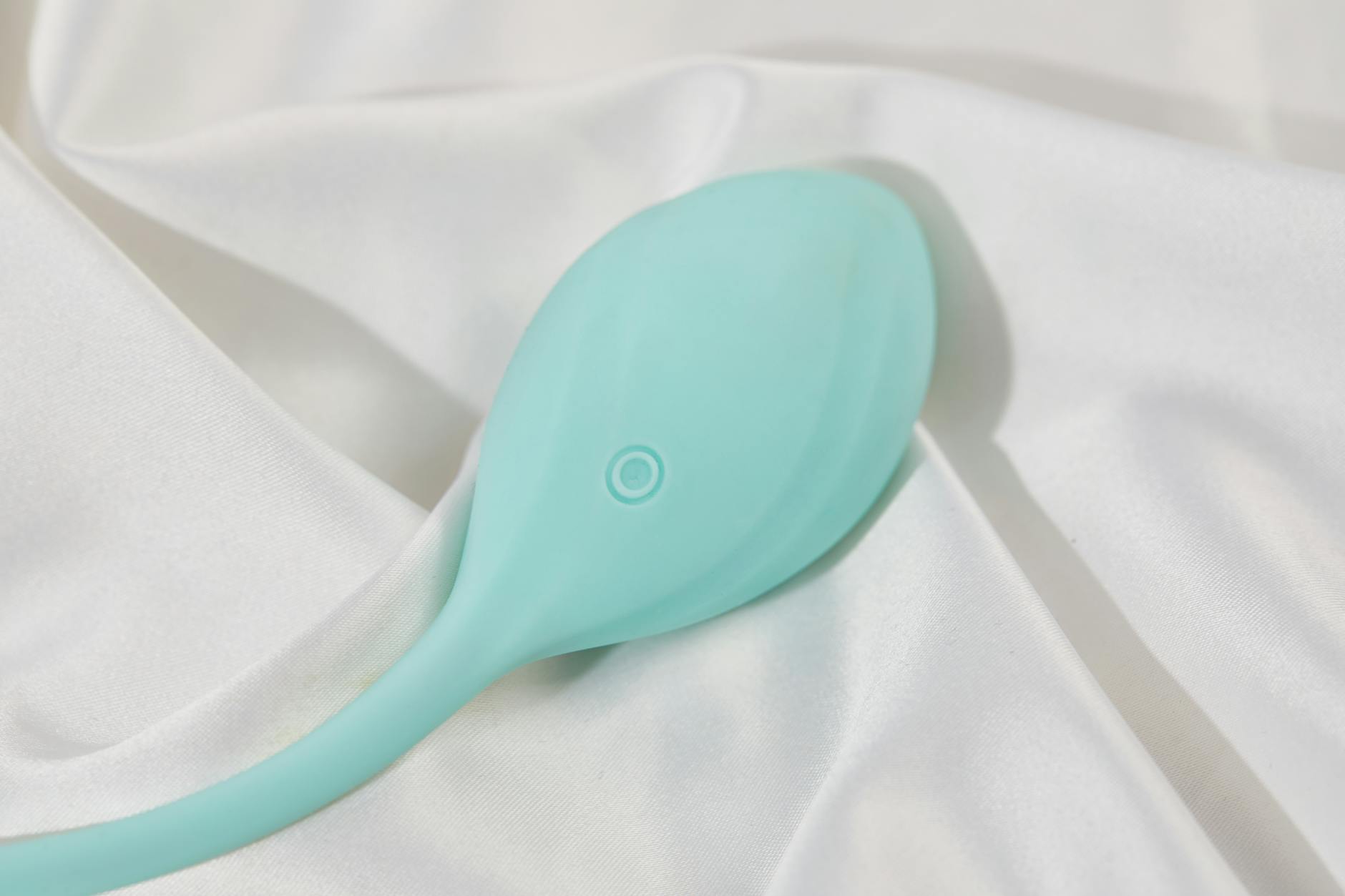
Let's talk about the sensation gap
Your body is supposed to feel things. Touch, pressure, the building warmth of arousal. But sometimes it doesn't. Maybe sensation went quiet after surgery. Maybe it crept away during months of stress. Maybe you're on medication that flattened your nerve endings like a dimmer switch turned all the way down. Or maybe your sensitivity just changed with age or life circumstance, and now touch feels like it's happening to someone else's body, viewed through thick glass.
This is real. It's more common than you'd think. And a lemon vibrator isn't magic, but it works differently than you might expect when sensation has gone muted.
Why sensation gets muted in the first place
There are several routes here. Antidepressants, anticonvulsants, and blood pressure medications can numb sensation as a side effect. Spinal cord compression or nerve damage from surgery, childbirth, or pelvic floor dysfunction creates dead zones. Hormonal shifts after menopause or certain cancer treatments thin the tissue and reduce blood flow. Anxiety and dissociation can make you feel unmoored from your own body even when the nerves are fine.
Then there's the psychological layer. After repeated attempts to feel something that doesn't arrive, your brain starts protecting itself. You stop trying as hard. You numb yourself before your body numbs you. Expectation crashes, and numbness deepens.
The good news: sensations can come back. They don't always return to exactly what they were, but the pathway isn't permanently dead.
How air-pulse technology is different when sensation is quiet
Here's the crucial bit. A traditional vibrator sends oscillations through tissue. That's effective for people with normal sensation, but if your nerves are already struggling to register input, oscillation can feel like background noise. You're waiting for a signal that never breaks through the static.
Air-pulse lemon clitoral vibrators work on a different principle entirely. Instead of vibration, they create rhythmic suction and release. That pulse is bigger. It's a pressure wave, not a tremor. For muted sensation, that difference is enormous. The sensation pathway is wider. Your nerves have an easier time catching it.
I've had clients who tried conventional vibrators for months with zero response, then switched to a lemon vibrator and felt something within the first minute. Not groundbreaking pleasure, but sensation. A bridge back.
Start with pattern one, lower intensity than you think
Here's where most people get it wrong. They assume that if sensation is numb, they need maximum intensity. Crank it to 10 and maybe something will break through. It doesn't work that way.
Start with pattern 1 on the Lem. That's the gentlest pulse setting. Hold it there for 15 to 20 seconds without moving. Let your nervous system notice. This is the opposite of hunting for sensation. It's inviting sensation to notice you.
Why pattern 1 first? Because when your nerves are struggling, they need a clear signal, not overstimulation. A huge pulse might trigger nerve pain or frustration instead of pleasure. A gentle, consistent signal teaches your nervous system it's safe to wake up.
Spend time here. Days, even weeks. This isn't impatience. This is retraining.
Map your sensitivity zones first
Muted sensation is often uneven. You might feel almost nothing on your clitoris but have a responsive area just to the side. Or your outer labia might register touch while the inner ones are asleep.
Before you start any pattern work, explore. Gently place the Lem on different areas of your vulva on the lowest setting and notice where you feel anything. Even a whisper of sensation is a landmark. Mark it mentally.
Then, start your session targeting those responsive areas. Once sensation starts waking up there, you can gradually expand the map. But early on, focus on what's already alive, even if barely.
Build warmth and blood flow before intensity
One of the reasons sensation feels muted is reduced blood flow. Without circulation, nerve endings have less fuel. A manual warm-up helps reset that.
Before you pick up the Lem, spend 5 to 10 minutes with your hands. Gentle touch, massage, slow friction. No agenda. You're not trying to get aroused. You're trying to wake the tissue and bring blood to the area. This is foundational work.
Then introduce the Lem at pattern 1. The combination of manual warmth and then the pulse does something single-sensation play doesn't. It tells your body the pathway is open.
The two pattern progression that actually works
Once you're comfortable at pattern 1, move to pattern 3. Skip 2 for now. Pattern 2 sometimes feels like it disappears into the numbness. Pattern 3 has more presence without being harsh.
Stay at pattern 3 for a full week of sessions. Daily is better if you can manage it. You're not chasing orgasm. You're rebuilding the neural pathway. Think of it like physical therapy for sensation.
Then, and only then, try pattern 5 or the waves mode. By this point, your nervous system has a framework. It knows what to expect. The stronger pattern feels like a natural escalation instead of a jolt.
This takes patience. Some people see results in two weeks. Others need a month or longer. Your timeline isn't the point. The point is that sensation is coming back.
When to use lubricant and when to skip it
Counterinstuitively, when sensation is muted, less lubricant is better at first. Water-based lube is frictionless. If your nerves are already struggling to register input, removing friction removes one of the few signals your body is getting.
Instead, use light or no lubricant initially. Your natural moisture, plus the gentle suction of the Lem, is enough. The slight resistance actually helps your nerves register the sensation.
Once your responsiveness returns, lube becomes helpful again. But in early sessions, lean toward friction, not glide.
Your timeline expectations should be realistic
If your sensation loss came from medication, you're dependent on either that medication changing or your body adapting. Talk to your prescriber. Sometimes a dose adjustment or switching to a different drug helps. Sometimes your body simply learns to work around it. Either way, rebuilding sensation takes weeks, not days.
If your numbness came from surgery or nerve damage, the timeline is longer but not hopeless. Nerves regenerate at about a millimeter per week. That's slow, but it's real. A year after a procedure, sensation is often significantly better than at month three.
If anxiety or dissociation is part of the picture, the Lem helps, but so does addressing the underlying anxiety. Consider talking to a therapist about why your body feels distant. Sometimes sensation returns faster when you're not subconsciously protecting yourself from feeling.
What numbness during use actually means
If the Lem itself starts to feel numb during a session, that's not failure. That's your nerve endings fatiguing. Stop. Wait 15 minutes. Your sensation will reset.
This is why pattern work beats chasing orgasm when sensation is low. You're not trying to come. You're training your nervous system to stay engaged. Short sessions, multiple times per week, beat long grinding sessions every time.
When to seek help beyond a toy
If you're not seeing any change in sensation after eight weeks of consistent Lem use, talk to a doctor. Persistent numbness can signal neuropathy, hormonal issues, or nerve compression that deserves clinical attention. A lemon vibrator is a tool, not a cure, and sometimes the underlying cause needs treating separately.
If sensation returned briefly then disappeared, that might be anxiety cycling. A therapist trained in somatic or sex therapy can help you understand what your nervous system is doing and why.
The reset takes time but it works
Muted sensation is a conversation your body is having with your nervous system. A lemon vibrator helps you rejoin that conversation. It's not instant. It's not always linear. But the pathway back to sensation is there, and it's more resilient than you think.
People also ask
How long does it take for sensation to come back with a lemon vibrator?
Most people notice some response within two to four weeks of consistent use (three to five sessions per week). Meaningful sensation return usually takes six to twelve weeks. If your numbness is from medication or recent surgery, progress is slower. If it's from stress or anxiety, you might see faster shifts once you address the underlying cause alongside using the Lem.
Can a lemon vibrator work if I've lost sensation from antidepressants?
Yes, but understand the limitation. The medication is dampening your nerve endings. The Lem can create a bigger signal that breaks through, and many people feel something they couldn't feel with other toys. However, true full sensation return might require talking to your doctor about medication timing or switching. Some antidepressants numb sensation less than others. A conversation with your prescriber is worth having.
Should I use pattern 1 forever or is that just the starting point?
Pattern 1 is the bridge. You'll eventually move up as your sensation returns. The goal isn't to stay at pattern 1. The goal is to move through it intentionally instead of jumping to intensity too fast. Most people progress from 1 to 3 to 5 over four to six weeks. Trust the timeline instead of rushing it.
What if I feel worse or more numb after using a lemon vibrator?
Stop and wait a few days. Overstimulation when sensation is already fragile can backfire. You might also be experiencing nerve fatigue, which is normal and temporary. Start again at pattern 1, use shorter sessions (5 to 10 minutes), and space them out more. If things worsen consistently, consult a healthcare provider about what's happening.
Is numbness permanent or does sensation always come back?
It depends on the cause. Sensation lost to stress, anxiety, or temporary medication side effects often returns. Numbness from permanent nerve damage is harder but not impossible. Many people regain partial or full sensation even after surgery. The nervous system is more plastic than we thought. That said, some neuropathies don't fully reverse. The goal isn't always 100 percent baseline restoration. It's getting to a place where pleasure is possible and accessible.
Can I use a lemon vibrator if I have both numbness and pain?
Proceed cautiously. Neuropathic pain and numbness often coexist. Start at the absolute lowest intensity and shortest sessions. If pain increases, stop. You might benefit from working with a pelvic floor physical therapist or a pain specialist alongside toy use. Sometimes the pain needs treating first, and sensation work can begin once pain is managed.
The long road back to feeling
Muted sensation feels permanent until it doesn't. A lemon clitoral vibrator can't fix what's broken at a systemic level, but it can be the signal your nervous system has been waiting for. You deserve to feel pleasure. And with patience and the right tool, you usually can.
If you want personalized guidance on rebuilding sensation after a specific health change, reach out to our team at /contact. We're here to talk through your situation without judgment.