
Let's talk about why "best" is useless
If someone tells you one toy style is objectively better than another, they're selling something. The truth is messier and way more useful: the best toy is the one that works with your body, not against it.
Here's what I see in my practice. People spend months researching vibrators, comparing specs, reading reviews. Then they buy something and it feels completely wrong. Not because the toy is bad. Because they picked based on general advice instead of their own anatomy and nervous system.
What lemon clitoral vibrators actually do
Lemon vibrators use air-suction technology, which means they work differently than traditional vibration. Instead of rapid side-to-side or up-and-down movement, suction creates a gentle pulsing sensation that feels more like kissing or soft pressure.
This matters because your clitoris has about 8,000 nerve endings concentrated in a small area. Not all of them respond equally to the same type of stimulation. Some people's nerve endings light up with direct vibration. Others' systems prefer the broader, gentler pressure of suction.
Lemon clitoral vibrators are particularly good if you have sensitive tissue, experience pain with friction, or find traditional vibrators too intense. They're also excellent for people recovering from tension or learning to relax the pelvic floor, since suction doesn't require the same muscular bracing that vibration sometimes triggers.
One more thing: suction devices are gentler on thinner or more delicate tissue. If you're dealing with hormonal changes, vulvovaginal issues, or just naturally less dense tissue, suction-based lemon toys often feel more comfortable than high-frequency vibration.
Traditional vibrators and when they shine
Standard vibrators use motor-driven oscillation at varying speeds and intensities. They come in wand shapes, bullet shapes, internal shapes, or hybrid designs.
Why do people love them? Speed. Precision. Consistency. You can ramp intensity up quickly, which works brilliantly for people with less sensitive nerve endings or for those who need strong, direct stimulation to orgasm.
Traditional vibrators also tend to feel more accessible psychologically. There's less of a learning curve. You turn it on, find the right rhythm, and your body usually knows what to do. That makes them great for beginners or for anyone who's had bad experiences with complicated toys.
The downside: they can be too intense for some people. If you have hypersenitive tissue, find vibration overstimulating, or need to ease into arousal gradually, a traditional vibrator might feel jarring or uncomfortable. The direct buzzing sensation isn't everyone's nervous system.
Wand vibrators as a third way
Wand vibrators split the difference in some ways. They typically have a broader head than bullets or clitoral vibrators, which distributes stimulation across a wider area instead of concentrating it in one spot.
This is helpful if you're sensitive to point-pressure or if you find direct clitoral contact overwhelming. A wand lets you apply it around the clitoris instead of directly on it, which changes the entire experience. Many people describe it as more diffuse, less sharp.
Wands are also fantastic for partnered play because their broad heads make them easy to use on a partner without precision hand control. That's a practical advantage that matters more than most people admit.
The trade-off: you might lose some of the concentrated stimulation that leads to fast orgasm. Wands are often better for slower, more meditative pleasure than for quick results.
How your anatomy actually determines the answer
Here's what matters more than the toy itself: your clitoral structure. Some people have a clitoris that sits more externally and prominently. Others have one that sits more internally under a hood. Some have a naturally higher or lower sensitivity baseline.
If your clitoris is prominent and you like strong sensation, traditional vibrators or even bullets might be your sweet spot. If it's more internal or sensitive, lemon clitoral vibrators or wand vibrators might feel more natural.
You can also test this without buying multiple toys. Pay attention to what feels good when you're touching yourself manually. Do you like direct pressure or broader pressure? Quick stimulation or slower building? Concentrated sensation or diffuse? Your hand preference is a pretty reliable map for toy preference.
Sensitivity, medication, and what changes the equation
Certain medications dampen clitoral sensation. Antidepressants, blood pressure meds, hormonal birth control, and some anxiety medications can all reduce how easily your nerves respond to stimulation. If you're on any of these, a gentler toy won't help. You need stronger stimulation, which points toward traditional vibrators at higher intensity settings.
Sensitivity also changes across your cycle, after hormonal shifts, or during stress. If you've noticed your usual toy feeling different at different times, that's normal. It means you might actually benefit from owning two styles, not one. Some months you'll reach for the lemon clitoral vibrator. Other months you'll want a traditional vibrator's power.
That's not a failure of planning. That's wisdom.
Partner play changes the variables
If you're using a toy solo, you're optimizing for one person's preferences. Partnered play adds complexity. Your partner might prefer watching you use something a certain way. They might find suction quieter, or vibration more exciting to feel, or wands easier to control.
Here's what I tell couples: pick a toy based on your solo preference first. Your pleasure matters most. But then have a conversation about what your partner finds hot to watch or participate in. Sometimes those align. Sometimes they don't, and that's a choice to make consciously.
Many couples end up with multiple toys for exactly this reason. Lemon clitoral vibrators work beautifully for solo time, but your partner might prefer something they can hold differently during partnered sex.
The practical framework for deciding
Ask yourself these questions:
Sensitivity level: Do you typically orgasm quickly or slowly? Do you find most toys too intense or not intense enough? (Quick and easily overstimulated = suction-based lemon vibrators. Slow and needing strength = traditional vibrators.)
Tissue comfort: Do you experience pain with direct friction? Have you had pelvic floor tension or trauma? (Yes = lemon clitoral vibrators or wands. No = you have more options.)
Ease of use: Do you want something intuitive, or are you willing to experiment? (Intuitive = traditional vibrators. Experimental = suction toys.)
Budget: Are you buying one toy or building a small collection? (One toy = start with what matches your body. Collection = start with your preference, add variety over time.)
Partner involvement: Is this mostly for solo play? (Yes = optimize for your pleasure. No = factor in what your partner enjoys too.)
Starting point recommendation
If you're new to vibrators or unsure which direction to go, I usually suggest starting with a lemon clitoral vibrator. Here's why: they're forgiving. If you find suction too gentle, you can move to traditional vibration later. But if you jump straight to a powerful traditional vibrator and it's too intense, backing down to something gentler feels like a loss.
Lemon vibrators also work well for people rebuilding confidence or returning to pleasure after a break. They feel less aggressive psychologically, which matters when you're nervous.
That said, if you know you like fast, strong stimulation or you've used vibrators before and liked them, start with what you already know works.
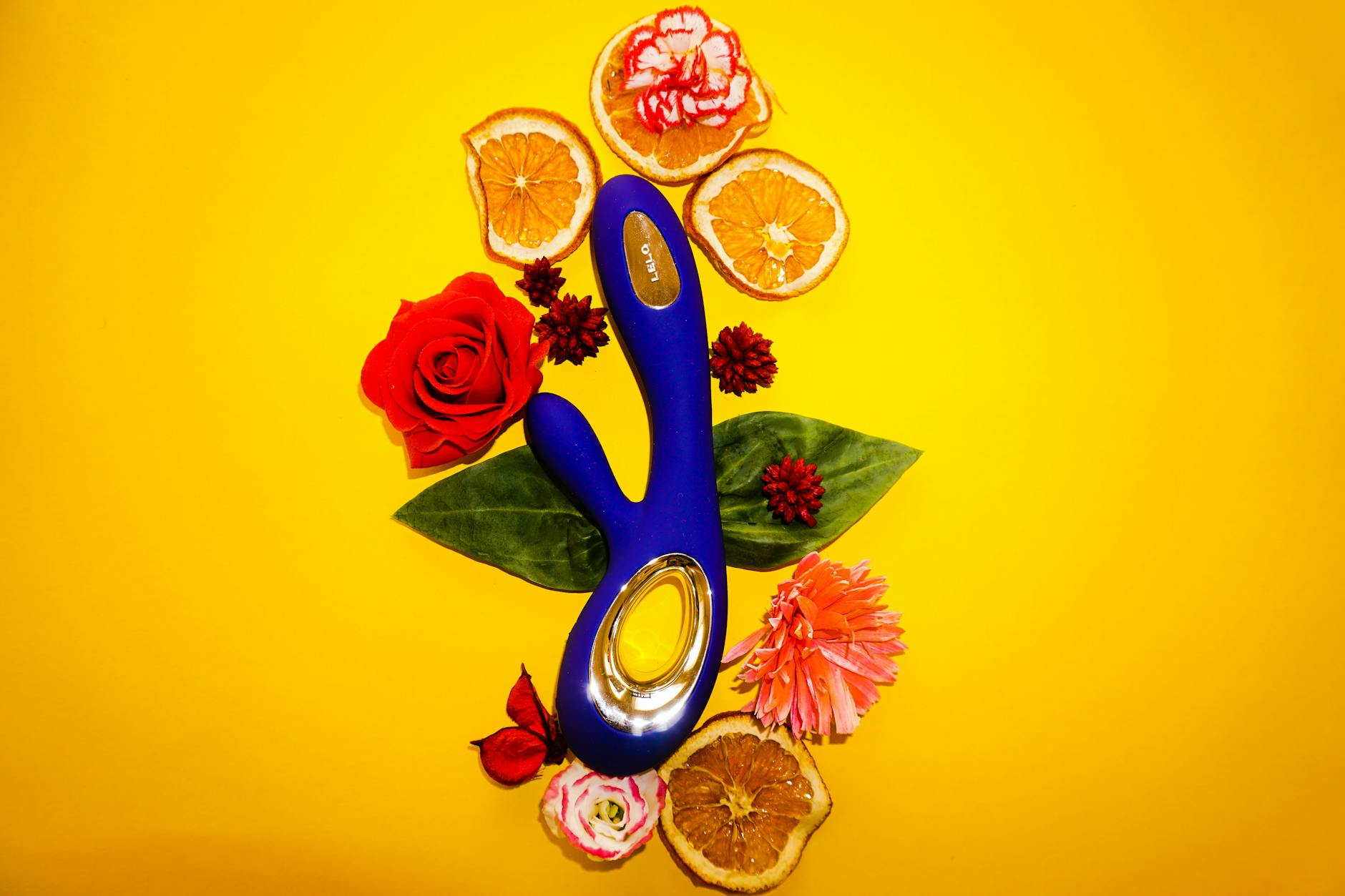
Photo by FounderTips on Pexels
What to actually do after you pick
Buy the toy. Use it. Pay attention to what feels good and what doesn't. If it's not right, try it again in a week. Sometimes your body takes time to adjust to a new sensation. Sometimes it never clicks, and that's useful information too.
Don't get stuck in the research phase. No amount of reading will tell you what your body wants. Only your body will tell you that. And the only way to find out is to actually try.
FAQ: Choosing the right lemon toy for you
How do I know if suction vibrators are right for me?
If you find traditional vibration uncomfortable, prefer softer pressure, have sensitive or recovering tissue, or tend to experience pelvic floor tension, suction-based lemon clitoral vibrators are usually a good match. They're also excellent if you're returning to pleasure after a long break or dealing with any kind of touch sensitivity. The best way to know is to try one, but these signs suggest your nervous system might prefer suction's gentler approach.
Can you use a lemon clitoral vibrator if you have a high pain threshold?
Absolutely. Pain threshold and preference aren't the same thing. Someone with a high pain threshold might still find lemon vibrators more pleasurable than traditional vibrators simply because they prefer the sensation. You can also use multiple toys. Use suction vibrators solo and traditional vibrators with a partner, or rotate based on mood. Preference is more important than threshold.
What if I already own a traditional vibrator and want to know if a lemon toy is worth trying?
If your current vibrator works great, you don't need to replace it. But if you've ever thought "this feels too intense," "I wish this were quieter," or "I want something for a different kind of mood," a lemon clitoral vibrator makes sense as a second toy. Many people find having both options useful because pleasure changes based on stress, hormones, and context.
Are lemon vibrators quieter than traditional vibrators?
Yes, significantly. Suction-based toys like lemon clitoral vibrators are much quieter than motor-driven vibrators. If discretion matters to you, that's a real advantage. You can use them without worrying about being heard through walls or during a time when noise matters.
How long does it take to figure out which toy style you prefer?
Some people know immediately. Others need 3-5 uses to get comfortable with the sensation before they can accurately judge whether they like it. Give yourself permission to not know right away. And remember that preference can shift over time. Something you disliked six months ago might feel perfect now.
Can I use any toy style if I'm on medication that reduces sensation?
If medication has dulled sensation, you'll need stronger stimulation regardless of toy style. In that case, higher-intensity traditional vibrators or multiple lemon clitoral vibrators used together work better than gentler options. Talk to your partner or healthcare provider if sensation loss is significant. Sometimes adjusting medication timing or dosage can help, but that requires professional guidance.
The real bottom line
You're not looking for the perfect toy. You're looking for the toy that matches your body right now. And "right now" is key because pleasure changes. Hormones shift. Stress levels rise and fall. Your nervous system evolves.
That means the best toy choice isn't a permanent answer. It's a good question asked repeatedly. Pick something that makes sense based on where you are today. Use it. Notice what happens. Adjust as needed.
If you're still unsure after reading this, reach out. That's what we're here for.