Let's talk about what nobody warns you about
You go to your doctor. Your blood pressure is elevated. They prescribe something from the ACE inhibitor or beta-blocker family, send you off with a pamphlet, and that's it. What they don't mention in that quiet consultation room is that one of the most common side effects has nothing to do with dizziness or fatigue. It has everything to do with pleasure.
Blood pressure medications are wildly effective at managing cardiac health. They're also, for many people, surprisingly effective at dampening sexual sensation, delaying orgasm, or making arousal feel distant and hard to reach. And because nobody talks about it, most people think they're going crazy or that something else entirely is wrong.
Here's what actually happens, and what helps.
Why blood pressure meds affect sensation in the first place
Blood pressure medications work by relaxing blood vessels and reducing blood flow to the heart. That's the goal. The problem is that they also reduce blood flow to the genitals. Your clitoris, like your heart, needs steady blood circulation to engorge and respond to touch. When that flow slows, sensation gets muffled. It's like turning down the volume on a speaker that was already quiet.
Beta-blockers are particularly known for this. They slow your heart rate, which is good for your heart but means less blood rushing everywhere at once. ACE inhibitors are slightly gentler on sexual function, but even they can create noticeable dampening for some people.
There's also a neurological piece. Some blood pressure medications affect dopamine, the neurotransmitter that drives desire and reward. So you're not just dealing with a physical circulation problem. You're also contending with reduced motivation to seek sensation in the first place.
The difference between lowered sensation and broken sensation
This is critical: numbness from medication is not permanent damage. It's a temporary physiological shift. Your nerve endings are still there. Your clitoris still has the same anatomy. Your brain still works the same way. What's changed is the signal strength, the ease of blood flow, and the biochemical environment.
Many of my clients describe it like this: "It feels like my body is behind glass. I can see the pleasure is supposed to be happening, but it's muted. Everything takes longer. And sometimes I just give up." That last part is the dangerous piece, because giving up reinforces the belief that pleasure is gone, which then affects desire and emotional intimacy with a partner.
How clitoral vibrators change the equation
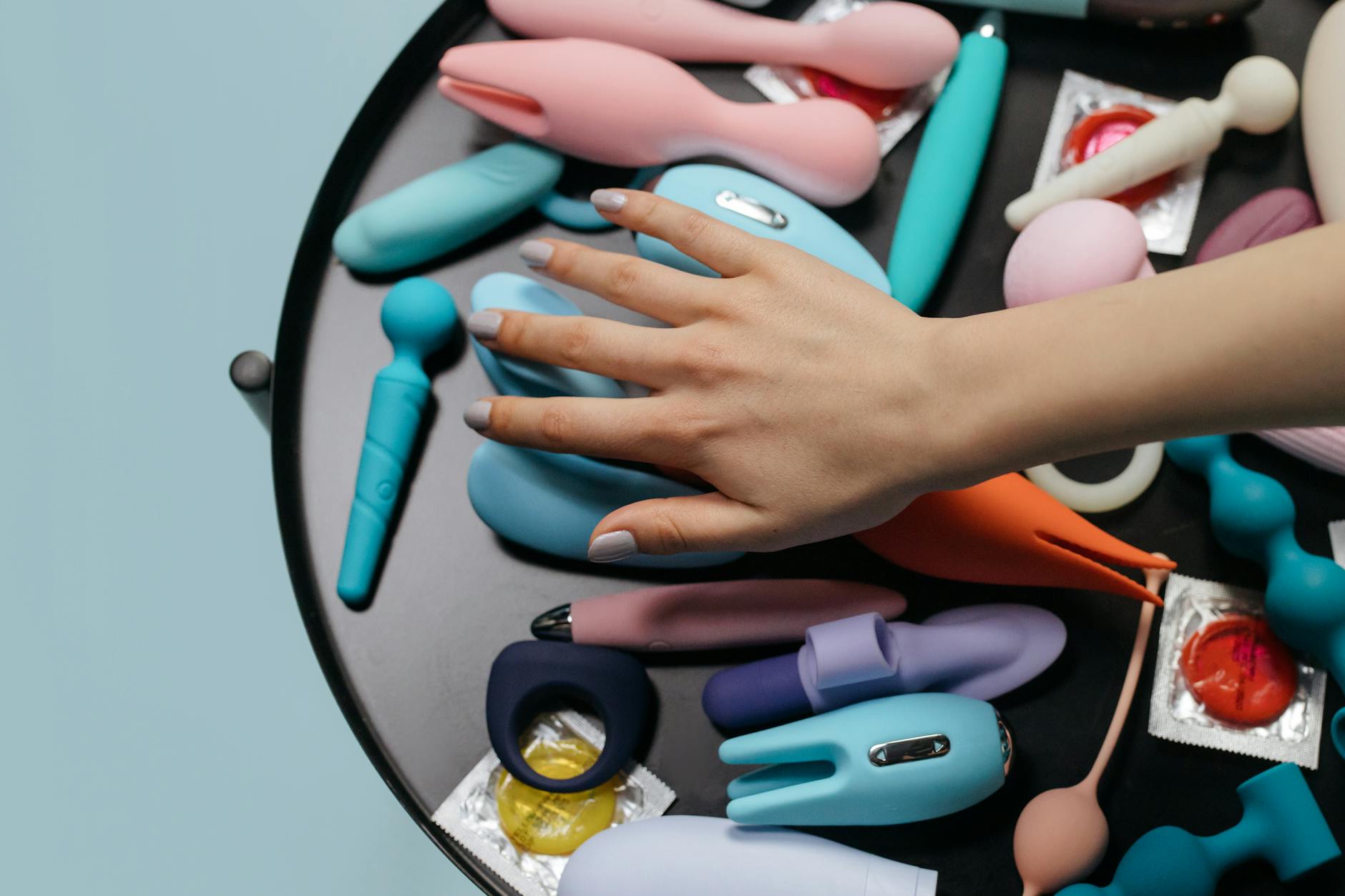
Here's where lemon vibrators, and clitoral vibrators more broadly, become genuinely useful rather than just nice to have.
When blood flow to the clitoris is reduced, direct manual stimulation or regular vibration often isn't enough to push past the dampening. You need stimulation that's both more intense and sustained. Clitoral vibrators designed specifically for this work by creating micro-vibrations that bypass the need for heavy blood flow engagement. They directly stimulate the nerve endings without requiring the tissue to engorge first.
The Lem clitoral vibrator uses suction and pulsing patterns. This matters because suction stimulates a different set of nerve pathways than traditional vibration. It's less dependent on blood vessel engorgement and more directly activating to the thousands of nerve endings in the clitoris. People on blood pressure meds often find that suction-based stimulation works when regular vibration doesn't.
The other advantage: vibration is predictable and sustained. Your partner can't keep the same rhythm for twenty minutes. A vibrator can. And for someone whose arousal is already slow to build, that consistency matters enormously.
What actually changes when you use the right tool
Let me be specific about what I see in my practice.
First, people report that orgasm comes back within reach. Not instantly. Not with the intensity they had before medication. But the glass barrier starts to feel thinner. Orgasm stops feeling like a distant theoretical possibility and starts feeling like something their body can actually do.
Second, the time to arousal normalizes a bit. If you went from reaching peak arousal in five minutes to needing thirty, a good lemon clitoral vibrator can bring that back down to ten or fifteen. That's not nothing in a busy relationship.
Third, and this is less tangible but more important: pleasure stops feeling like a thing that's being done to you and starts feeling like something you're actively creating. When sensation is muted, you become passive. Using a vibrator that actually works returns agency. And agency is half of pleasure.
The conversation you should have with your doctor
Here's the gap in medical practice: most GPs don't ask about sexual function as a side effect, and most patients don't volunteer that information because it feels embarrassing or low-priority compared to, you know, heart health.
But it's not low-priority. Sexual function is a real quality-of-life measure. And there are solutions that don't require you to stop taking blood pressure medication.
If sensation dampening is severe, your doctor can potentially adjust your dose, switch medication class, or add a medication that counteracts sexual side effects. These conversations are worth having. Some people find that a lower dose still controls their blood pressure fine. Others find that certain beta-blockers affect them less than others.
In the meantime, using lemon vibrators or other clitoral vibrators is not a workaround or a band-aid. It's a legitimate tool for managing a real side effect.
The practical adjustments that help most
If you're navigating blood pressure medication and want to reclaim sensation, here's what actually works:
Longer warm-up time. Budget double or triple the time you used to need. Your body isn't broken. It just processes stimulation more slowly now. Rushing it doesn't help.
Clitoral vibrators as your primary tool. If you were using a partner or manual stimulation before, consider starting with a lemon clitoral vibrator now. It's not replacing connection with your partner. It's creating the conditions where that connection becomes pleasurable again.
Lower intensity settings first. Start at pattern one on your vibrator. Your body will tell you when it's ready for more.
Consistent timing. Some blood pressure meds are worse at certain times of day. Notice when. If your medication peaks in effectiveness at 8 p.m., maybe scheduling intimacy earlier in the day helps.
Communication. If you have a partner, this is where honesty matters. "My medication is affecting sensation" is a statement about your body, not your desire or your relationship. Say it plainly. Say it early. The shame around this is more damaging than the side effect itself.
When it's time to revisit medication
If sensation has essentially flatlined, and you've tried the adjustments above, and nothing's shifting, bring this back to your doctor. You don't have to choose between heart health and sexual function. There may be options you haven't explored yet. Some people find that switching from a beta-blocker to an ACE inhibitor, or adjusting dosage, makes a real difference.
You also deserve to have pleasure in your life. That's not selfish. That's self-respect.
Blood pressure medication keeps you alive. Clitoral vibrators help you live. Both matter.
People also ask
Why do ACE inhibitors cause less sexual dysfunction than beta-blockers?
ACE inhibitors work differently than beta-blockers. Instead of slowing your heart rate, they work on the renin-angiotensin system, which regulates blood vessel constriction. This mechanism has less direct impact on dopamine and blood flow to the genitals than beta-blockers do. That said, ACE inhibitors still affect some people. The variation is individual.
Can I stop taking blood pressure medication to get sensation back?
No. Your heart health comes first. Uncontrolled high blood pressure damages your heart and your brain. What you can do is work with your doctor to adjust your medication, try a different class of drugs, or add complementary medications that counteract sexual side effects. Stopping medication without medical supervision is genuinely dangerous.
Do lemon vibrators work if I have reduced sensation from medication?
Yes. Lemon clitoral vibrators, especially ones using suction and pulsing patterns, work differently than your body's natural response to touch. They directly stimulate nerve pathways without relying on blood vessel engorgement. Many people on blood pressure meds find they're more effective than manual stimulation or gentler vibrators.
How long does it take to feel sensation improvement after using a clitoral vibrator?
Some people notice a difference within the first session. Your body remembers that pleasure is possible. Others need two to three weeks of consistent use before sensation feels genuinely different. There's no standard timeline. What matters is consistency and patience.
Should I tell my partner about medication side effects on sensation?
Yes, absolutely. This is not something to hide. Telling your partner "My medication is affecting arousal, and I want to work through this together" opens the door to partnership instead of silence. It also removes the pressure your partner might feel to fix something that isn't their fault.
Can blood pressure medication side effects ever go away on their own?
Sometimes your body adjusts over months or years. More often, the side effect is stable. That's why talking to your doctor about options is important. You might need a medication adjustment rather than waiting for your body to catch up.