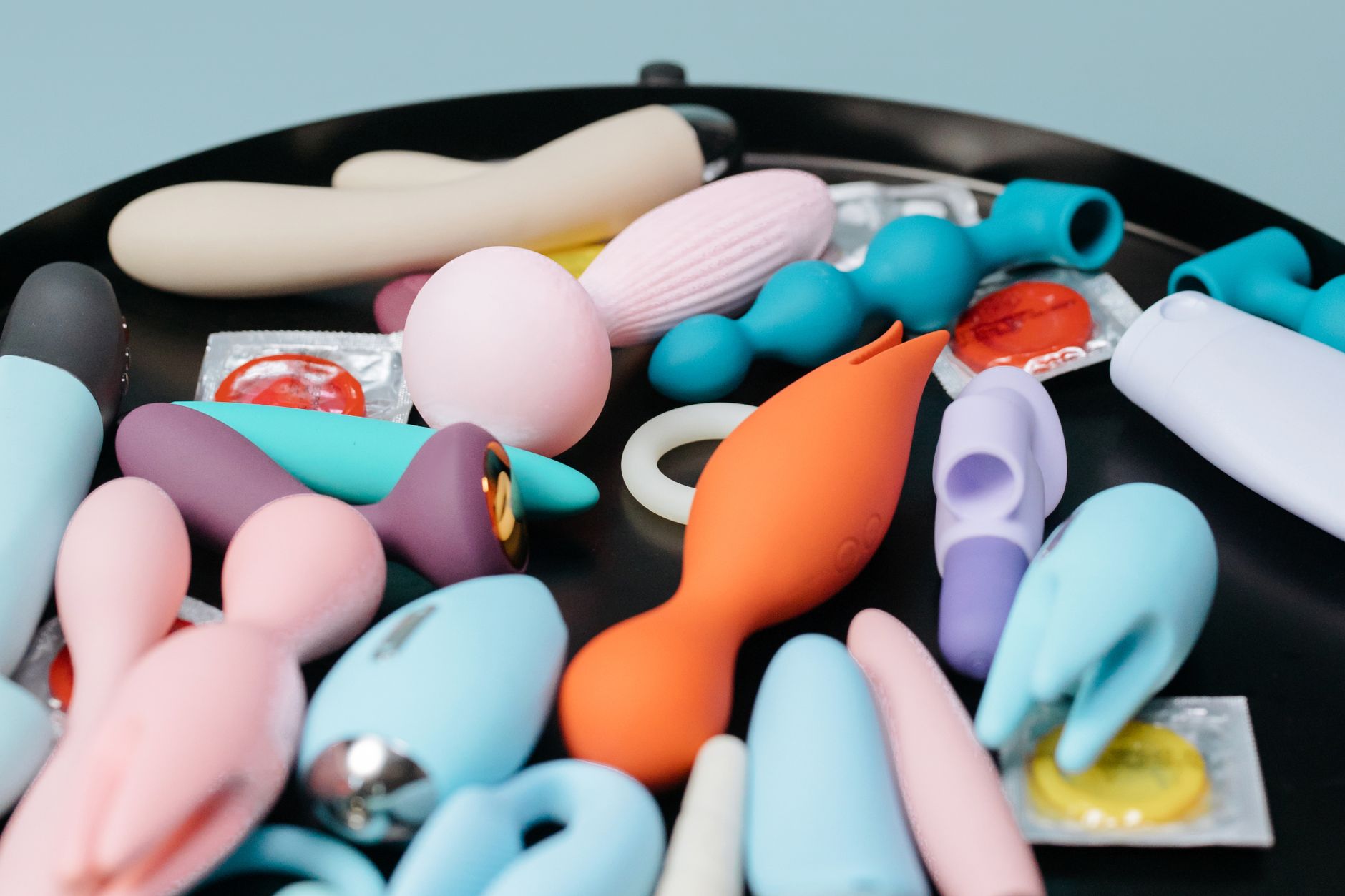
Here's what nobody tells you about reduced lubrication
Reduced natural lubrication is not a sign that your body is broken. It's a signal that friction matters differently now. That distinction changes everything about how you approach pleasure, which tools work best, and what you can actually expect.
If you've noticed less lubrication during arousal, whether from hormonal shifts, medication, stress, or aging, the instinct is usually to assume pleasure gets harder. Sometimes it does. But often what shifts is just the pathway to pleasure, not the capacity for it.
What actually changes when lubrication drops
When natural lubrication decreases, three things happen physiologically.
First, the vaginal and vulval tissue thins slightly. This is especially true after menopause, but it can also happen with certain medications (antidepressants, antihistamines), hormonal birth control, or prolonged stress. Thinner tissue is more sensitive to direct friction. That's real and worth knowing about.
Second, arousal takes longer to build. The body's lubrication response is connected to the arousal response, so when one lags, the other often does too. You might find yourself needing 20 minutes of foreplay where 10 used to work.
Third, the type of stimulation that feels good changes. Direct vibration on thinner tissue can feel overwhelming or even painful. But indirect stimulation, like suction, feels radically better. This is where lemon clitoral vibrators become genuinely life-changing.
Why clitoral vibrators work better than friction-based toys
Here's the science: suction-based clitoral vibrators like Lemons Toy's lemon vibrators work on a different principle than traditional vibrators. Instead of moving back and forth against tissue, they create gentle pulses of pressure and release. That means sensation without the friction burn.
Think of it like this. A traditional vibrator is shaking. A lemon sucker is breathing. For tissue that's sensitive to direct friction, breathing feels a lot better.
Clitoral vibrators also don't require your body to produce as much lubrication to feel good. The stimulation is wider, gentler, and more distributed across the tissue. You're not grinding anything. You're expanding sensation. That's genuinely different, and your body knows it.
The practical adjustments that actually help
Four things make the biggest difference for people with reduced lubrication.
Water-based lubricant becomes a partner, not a backup. I'm not saying use it grudgingly. Use it openly. It's not a failure of arousal. It's a tool that lets tissue stay comfortable and sensation stay clear. Silicone-based lubes feel richer but will damage silicone toys. Water-based is the move.
Warm-up time expands. Budget 15 to 25 minutes before using a lemon vibrator or any toy. This isn't wasted time. This is when your brain catches up to your intention, when arousal actually builds, when your body's own lubrication has a chance to kick in. Skipping this step is like jumping into a pool without letting your body adjust to the temperature.
Lower intensity at the start. The Lem vibrator has multiple patterns. Start at setting 1 or 2, not 5 or 6. Your tissue doesn't need aggressive sensation. It needs consistent, gentle sensation that lets you feel everything without overwhelming your nerves. Work up from there if you want.
Pay attention to rhythm. When tissue is thinner, the pace of stimulation matters more. Slow, steady rhythms often feel better than rapid ones. The lemon sucker patterns work well here because suction pulses are naturally rhythmic. You're not fighting against your tissue. You're moving with it.
How lemon vibrators change sensation specifically
A Lem vibrator feels different than a traditional vibrator in ways that matter.
First, the sensation is wider. Instead of a point of vibration, you're getting stimulation across the whole clitoral head and surrounding tissue. That means less chance of overstimulation on any one spot and more chance of distributed, building pleasure.
Second, suction creates a seal. This sounds clinical, but it matters. The seal means the stimulation doesn't slip. You don't have to hold it at a precise angle. You don't have to worry about losing sensation. With reduced tissue thickness, that consistency is huge.
Third, the rhythm is predictable. Traditional vibrators can feel chaotic. Suction pulses feel like a wave. Your body can sync with that. You can anticipate the rhythm, build on it, let it build on you. This predictability turns out to be deeply pleasurable, especially when direct friction feels unpredictable.
What happens to orgasm when lubrication changes
Honestly though, this is where it gets interesting. Many people report that orgasms feel different with reduced lubrication, but not necessarily worse. Sometimes stronger, sometimes more internal, sometimes slower to build but more intense once they arrive.
This isn't poetic language. This is clinical observation. When friction decreases, the stimulation pattern changes, which means the arousal pathway changes. Your nervous system learns a new rhythm. That new rhythm can be better. It's just different.
If orgasm feels harder to reach with reduced lubrication, that usually means the warm-up time and intensity adjustment I mentioned above matter even more. You're not broken. You're working with different parameters. A lemon clitoral vibrator lets you explore those parameters without pain or frustration.
The emotional piece that nobody mentions
Reduced lubrication often arrives alongside other life changes. Aging, hormonal shifts, relationship transitions, medication changes, stress. The temptation is to blame everything on the lubrication. Sometimes the lubrication is the whole story. Sometimes it's the container for other stuff.
If pleasure has genuinely disappeared and isn't coming back with better tools or more time, that might be worth exploring with a partner or a therapist. If it's just that sensation feels different and you need better equipment, that's what the lemon vibrators are here for. Make sure you know which one you're dealing with.
When to actually see someone
If stimulation causes pain, not just sensitivity, talk to a doctor. Genitourinary syndrome (GSM) is treatable, often quickly, with topical estrogen or other options.
If lubrication is so low that arousal feels impossible even with time and toys, mention it to your GP. There are treatments. You don't have to white-knuckle through this.
If you're on a medication that's tanking your lubrication, ask if there's an alternative. Sometimes there is. Sometimes there isn't, but it's worth asking.
Otherwise, reduced lubrication is not an emergency. It's a shift. And with the right approach and the right tools, shifts become opportunities.
FAQ
Can you use a lemon vibrator without any lubrication at all?
Technically yes, but you don't want to. Even with suction-based clitoral vibrators, some slickness helps the seal feel better and sensation travel further. Water-based lube is cheap and makes everything feel richer. Use it. Your pleasure is worth two dollars.
Does reduced lubrication mean I'm less aroused?
Not necessarily. Lubrication and arousal are connected but not identical. You can be very aroused and still have less natural lubrication due to hormones, medication, or stress. You can also be aroused and have plenty of lubrication but still find that friction-based toys feel overwhelming. Test, don't assume.
How long does it take to rebuild sensation after years of reduced lubrication?
It depends on what caused the reduction. If it's hormonal, adjusting hormones can help. If it's medication, switching or adding treatment can help. If it's just aging or stress, using tools like lemon vibrators consistently can rewire your nervous system to feel pleasure more intensely. Most people notice a shift within a few weeks of regular use.
Is it normal for orgasm to feel different when lubrication is low?
Completely normal. The sensation pathway changes, so the orgasm signature changes. Some people find it becomes more focused. Some find it takes longer. Some find it feels deeper. Different isn't broken. You're learning your body's new language.
Should I use silicone lube or water-based lube with a lemon clitoral vibrator?
Water-based only. Silicone lube will break down silicone toys over time. Water-based is perfect for lemon vibrators and works beautifully with suction-based toys because it creates a better seal and doesn't degrade the material.
Can medications that cause reduced lubrication be replaced?
Sometimes. If an antidepressant is your culprit, talk to your doctor about whether another one might work better for both your mental health and sexual response. If it's an antihistamine, timing your dose differently might help. If it's hormonal birth control, switching methods is possible. The conversation is worth having.
The bottom line
Reduced natural lubrication changes how pleasure works. It doesn't end it. Clitoral vibrators, especially suction-based ones like lemon vibrators, work with your body's new setup instead of against it. Water-based lube, longer warm-up time, lower initial intensity, and consistent practice rewire your nervous system faster than you'd expect. The pleasure is still there. It's just asking you to approach it differently.
If you want to explore what that looks like for your body, start with a lemon clitoral vibrator and give yourself at least four weeks of consistent use. Your nervous system will adapt. Your pleasure will expand. That's not promise. That's biology.