Let's be real about what happens after 50
Something shifts. Not everything stops working, but the signal gets quieter. Touch that used to send electricity through your whole body now feels like a whisper you have to lean in to hear. That's not broken. That's not a personal failure. That's what happens when nerve sensitivity changes and skin loses some of its responsiveness to stimulation.
The good news? Lemon vibrators and other clitoral suction devices were basically designed for this exact moment in your body's timeline.
Why sensation actually changes after 50
Three main factors happen at once. First, collagen production drops, which means skin loses some elasticity and becomes less reactive to light touch. Second, your nervous system's sensitivity to vibration frequencies shifts. Your body doesn't feel low-frequency buzzing the way it did at 30. Third, reduced estrogen changes how much blood flows to tissue during arousal, which means the swelling and sensitivity that used to happen automatically takes longer and feels less pronounced.
But here's what stays the same. Your clitoris still has 8,000 nerve endings. The neural pathways for pleasure haven't gone anywhere. Your capacity to orgasm is still completely intact. Many people report their most intense orgasms happen after 50, when the pressure to perform disappears and you finally know exactly what you want.
Why lemon vibrators work better than traditional vibrators for mature sensation
Most vibrators rely on buzz intensity to get your attention. They push amplitude. After 50, that approach often feels tiring or mildly uncomfortable rather than good. You need 15 minutes of buzzing to reach what used to happen in three minutes, and by then your hand is numb.
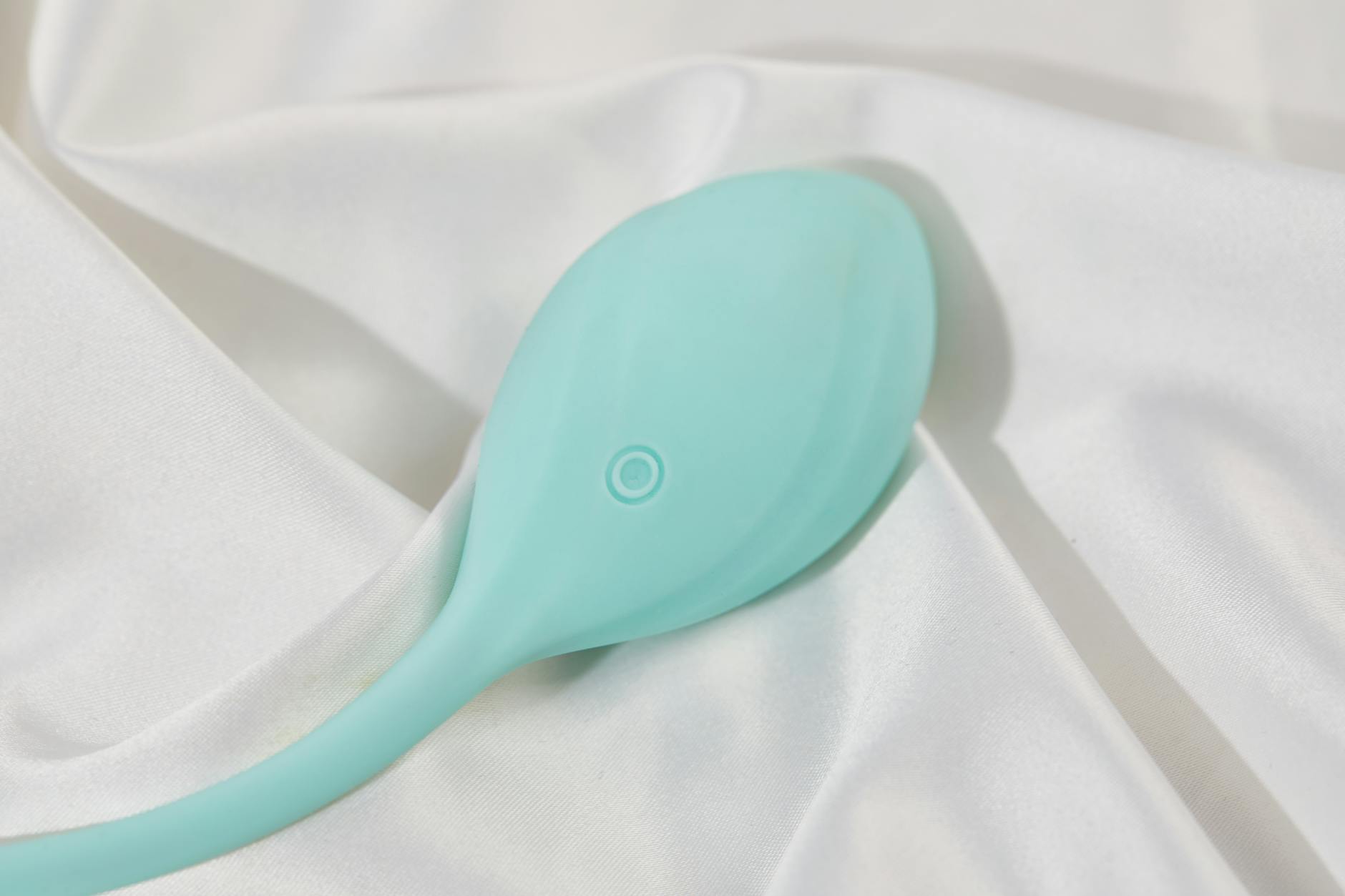
Lemon clitoral vibrators use suction and air-pulse technology instead. That means they're not vibrating at all. They're using gentle waves of pressure that mimic oral suction. This approach works better for mature bodies because it doesn't require the same raw nerve sensitivity. The sensation comes from pressure and rhythm, not frequency.
The Lem vibrator, for example, operates on patterns that range from soft pulses to more complex rhythms. You're not fighting against buzzing that feels too intense. You're working with pressure that builds gradually and feels more targeted.
How to recalibrate your approach to pleasure
If you've been using the same vibrator for a decade, post-50 bodies often need a reset. Here's what actually helps.
Start lower than you think. If you're used to a wand vibrator on high, begin with pattern 1 or 2 on a lemon clitoral vibrator. The sensation is different enough that your reference point needs to shift. Spend three to five sessions just exploring what pattern feels best. There's no rush.
Budget more time for warm-up. Arousal takes longer after 50. Twelve minutes of foreplay might get you there at 35. At 55, plan for 20 to 30 minutes. This isn't a problem to solve. It's how your body works now, and usually, it feels better because it's slower and more deliberate.
Use lubricant generously. You probably already know this, but it's worth saying plainly. Water-based lube makes everything easier. It reduces friction, makes the sensation feel smoother, and helps you stay comfortable during longer sessions. Apply it fresh every 10 minutes or so.
Explore sensation in different positions. Standing, lying on your back, on your side. The angle changes where pressure lands on your clitoris, and at 50-plus, angle matters more than it used to. You might find one position where sensation feels twice as intense.
The confidence piece that nobody talks about
After 50, something shifts emotionally too. You're not performing for anyone anymore. If you're with a partner, they're usually not expecting a performance either. That permission to slow down and focus purely on what feels good rather than what looks good transforms the whole experience.
Most of my clients report that pleasure becomes less about the destination and more about the quality of time. Instead of racing to an orgasm, you're exploring what sensations actually feel good right now. That shift alone often brings back pleasure that felt lost, not because your body suddenly works better, but because you stopped trying to push it.
When sensation loss is a sign you need help
If sensation has become completely numb or pain shows up during use, that's worth talking to a gynecologist about. Genitourinary syndrome of menopause is real and treatable. Vaginal estrogen or DHEA creams can make a real difference. A menopause-trained doctor can rule out other things too, like nerve damage or medication side effects.
If you're on antidepressants, blood pressure medication, or other drugs, talk to your prescriber about whether sensation changes are a known side effect. Sometimes switching medications helps. Sometimes it doesn't. But it's worth asking.
What lemon vibrators specifically offer at this stage
Lemon clitoral vibrators give you precision without intensity. The patterns are sophisticated enough to explore but not overwhelming. The suction sensation feels different than anything you've probably used before, which actually works in your favor because your nervous system responds well to novelty. You're not comparing this to "the way it used to feel." You're discovering a new sensation entirely.
Most people find they need to use it two or three times to understand how their body responds. By the fourth or fifth time, you usually know which patterns work best and how much time you need to build toward orgasm. That learning curve is normal. You're recalibrating, not starting from zero.
The bigger picture
Sensation changing after 50 doesn't mean pleasure is ending. It means you're entering a phase where you have to be a bit more intentional about how you approach your body. That intentionality usually feels better than the autopilot pleasure of your younger years anyway. You know more. You care less about looking a certain way. You have better tools.
Take it slow. Use the right device. Give yourself permission to explore without pressure. That combination usually brings back sensation that felt dormant, and often, it feels even better than it did before.
People also ask
Why do lemon vibrators feel different than regular vibrators after 50?
Regular vibrators rely on frequency and intensity to stimulate nerve endings. After 50, your nervous system's sensitivity to those frequencies shifts. Lemon clitoral vibrators use suction and air-pulse technology instead, which creates sensation through pressure rather than vibration. This approach works better when light touch sensitivity has changed, because you're not fighting against buzz that feels too much or too little. The pressure-based sensation is easier for mature bodies to feel and enjoy.
How long does it usually take to feel results with a lemon clitoral vibrator after 50?
Most people notice a difference within three to five sessions. Your first time might feel confusing or mild because you're learning how the sensation works. By the second or third time, your body understands the pattern. By session four or five, you usually know which patterns feel best and roughly how much time you need. After 50, patience with the learning curve usually pays off faster than you'd expect.
Is it normal for sensation to take longer to build after 50?
Completely normal. Arousal typically takes 20 to 30 minutes after 50, compared to 10 to 15 minutes in your thirties. This isn't a problem. It's actually one of the reasons pleasure often improves after 50. You're not rushing. The slower pace usually feels more satisfying. Plan for longer sessions and you'll stop seeing the time as a barrier.
Can medications affect sensation after 50, and should I be concerned?
Yes, several common medications can reduce sensation or make orgasm harder. Blood pressure meds, antidepressants, and antihistamines are common culprits. If sensation changed suddenly after starting a new medication, mention it to your prescriber. Sometimes switching to a different drug in the same class helps. Sometimes it doesn't. But it's worth the conversation, especially if sensation loss is affecting your quality of life.
Should I see a doctor if sensation feels completely numb?
Yes. While some decrease in sensitivity is normal after 50, complete numbness isn't typical and could signal genitourinary syndrome of menopause, nerve changes, or medication side effects. A menopause-trained gynecologist can assess what's happening and offer treatments. Topical estrogen creams work well for many people and usually show improvement within a few weeks.
What's the difference between using a lemon vibrator solo versus with a partner after 50?
Solo play usually allows more exploration and less performance pressure, which often helps sensation feel stronger. With a partner, communication matters more because they need to understand that your body works differently now. If you're using a lemon clitoral vibrator together, show them the patterns you enjoy and give yourself plenty of time. Many couples find that introducing a device designed for mature sensation actually reconnects them because it removes the pressure both people were feeling.
Next steps
If you're exploring lemon vibrators for the first time after 50, start with pattern 1, give yourself 20 to 30 minutes, and remember that the learning curve is normal. Your body hasn't failed you. You're just in a different phase, and the right tools make all the difference. If you have questions about what might work best for your specific situation, reach out to Hello Nancy. We're here to help you find what actually works for your body as it is right now.