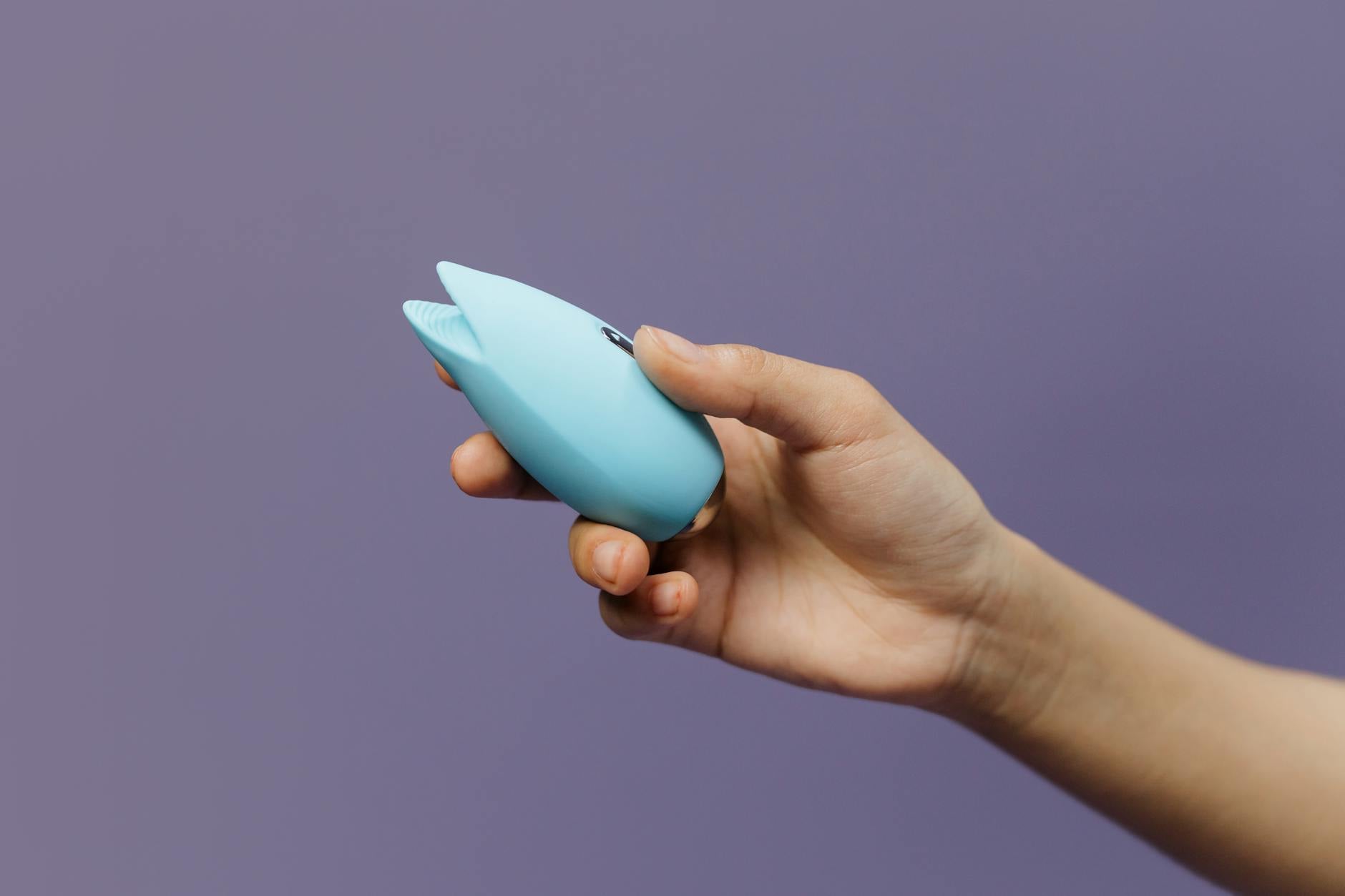
Here's the thing about mismatched pleasure
One of you gets there fast. The other needs time. One of you loves deep, building patterns. The other craves quick intensity. One of you wants to be touched during; the other finds it distracting. These aren't problems. They're just the reality of two different nervous systems in one bed.
What makes this hard isn't the mismatch itself. It's the story you've probably told yourself about it. That one of you is broken. That the other is impatient. That you're incompatible. None of that is true. What's true is that you need a translator. Lemon vibrators, particularly the Lemon clitoral vibrator, function as exactly that.
Why pleasure styles actually diverge
Think of arousal like a dimmer switch with different starting positions. Your partner might start at 40 percent already. You start at 10. Neither of you can rewire your nervous system to match the other, and frankly, you shouldn't try. What you can do is use tools that let both of you access the intensity you need, on a timeline that works.
Hormones, medication, stress, neurodivergence, and plain old wiring all shape how quickly pleasure builds and what sensation works best. Add in the pressure of trying to stay synchronized with a partner, and you've created friction where there doesn't need to be any.
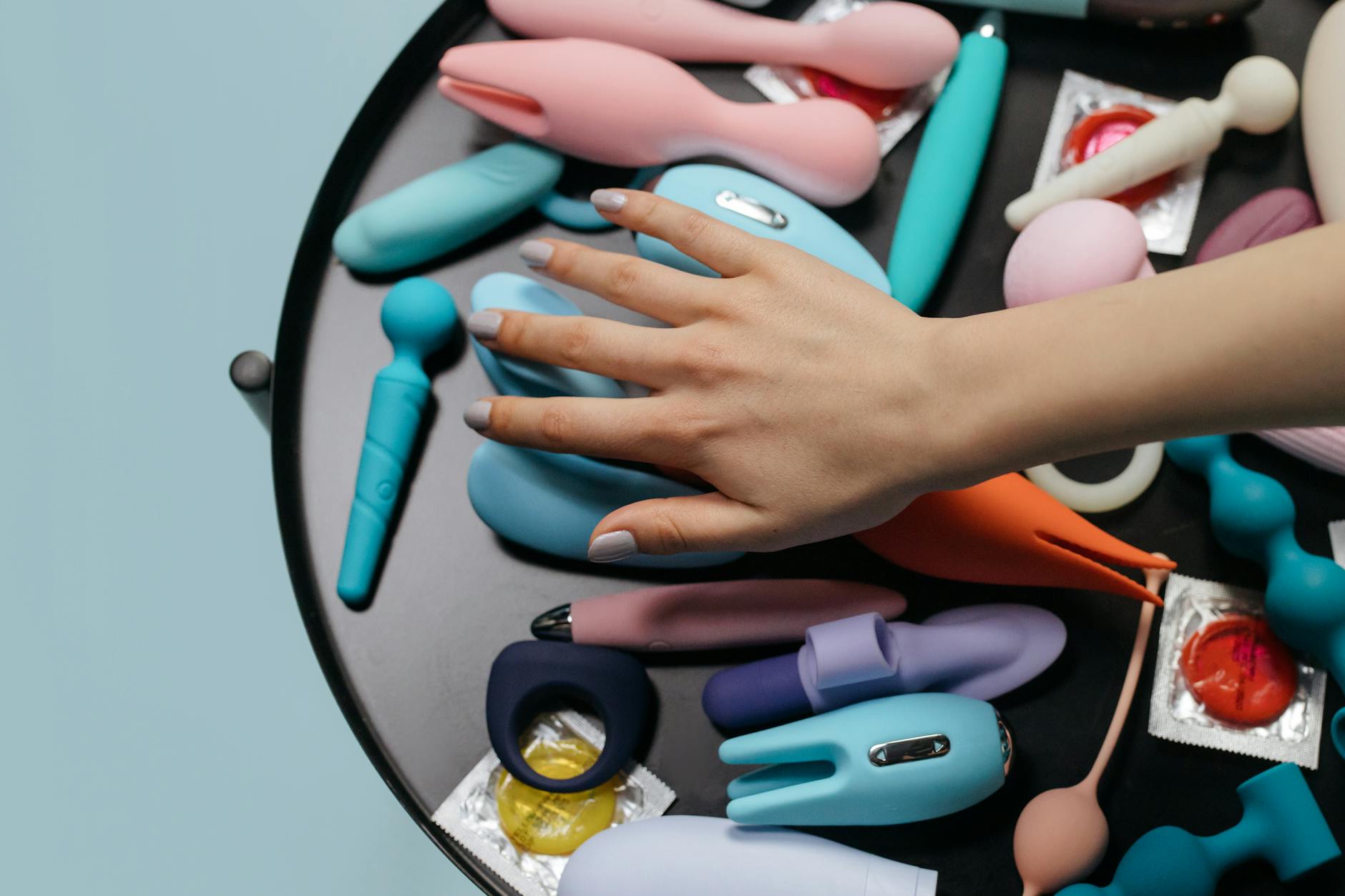
Photo by cottonbro studio on Pexels
The five most common pleasure style mismatches
Mismatch #1: Speed. One of you hits arousal in minutes. The other needs 20. Neither is wrong, but it's a rhythm problem. Lemon vibrators solve this by letting the faster partner self-stimulate while you warm up your own body. No resentment, no waiting, no pressure.
Mismatch #2: Intensity preference. You like building gradually through patterns 1, 2, 3. Your partner wants to jump to 5 immediately. A shared lemon vibrator lets you both access what you need. Your partner can start high; you build at your pace.
Mismatch #3: Contact during sex. Some people want constant touch during penetration. Others find it overstimulating or distracting. When you use a Lemon clitoral vibrator during partnered sex, you control the contact and intensity. Your partner gets to focus on their own sensation.
Mismatch #4: Orgasm dependency. One of you comes reliably from penetration alone. The other needs external clitoral stimulation every single time. This is the most common mismatch in mixed-sex partnerships. A vibrator isn't a workaround. It's the actual pathway for many bodies. Treating it that way removes the shame.
Mismatch #5: Sensitivity shifts. Your body responds differently month to month, year to year. Your partner's stays relatively stable. Or vice versa. When one of you becomes more or less sensitive, lemon vibrators adapt. You adjust the pattern and intensity without negotiating the whole experience.
How Lemon vibrators become the bridge
Think about what happens when pleasure styles collide head-on. The faster partner feels like they're dragging the slower one. The slower partner feels rushed. Both of you start to feel like something's wrong with your bodies instead of recognizing this is just how humans work.
A lemon vibrator changes the frame entirely. Instead of "my body vs. your body," it becomes "our tools + our timing." Here's specifically how.
Control without compromise. When you're using a Lemon clitoral vibrator, you're the only one managing your arousal. Your partner isn't timing it, rushing it, or adjusting based on what they think you should be feeling. You get to build or intensify on your own schedule. That's enormous for anxiety, performance pressure, and confidence.
Parallel pleasure. Instead of taking turns or trying to sync impossible rhythms, you can both be pleasured simultaneously in completely different ways. One of you using the vibrator while your partner is stimulated differently means nobody's waiting. Nobody's clock is running. You're both present.
A conversation starter that actually works. Most couples don't talk about pleasure style differences because it feels loaded. Introducing a vibrator shifts the conversation from "what's wrong with you" to "what do we both need." It's practical instead of emotional, which makes it safer.
Practical strategies for different pleasure styles
If you're the faster one: You likely experience guilt about finishing first or moving at a pace your partner can't match. Using a lemon vibrator during partnered sex lets you access what you need without dragging your partner into speed they don't want. You're not waiting. You're not held back. Your partner gets their timeline. Everyone relaxes.
If you're the slower one: You're probably used to feeling like you're taking too long or your needs are too demanding. Using a vibrator actually gives you permission to take the time you need. You're not dependent on your partner's stamina or their ability to stay focused. You can build pleasure on your own terms.
If you want contact during sex and your partner doesn't: Use a vibrator on yourself during penetration. You get the clitoral stimulation you need. Your partner doesn't have to provide it, which means they can focus on their own sensation and rhythm without resentment.
If sensitivity mismatches are seasonal or cyclical: Keep your Lemon vibrator accessible and rotate patterns based on what your body needs that week or month. When you're more sensitive, lower intensity or use gentler patterns. When you're less responsive, you can go higher. Your partner adapts too, but the tool does a lot of the heavy lifting.
The emotional piece nobody talks about
Parts of you might still believe that "needing" a vibrator means something's broken about your body or your relationship. That using one means your partner isn't enough. These stories are everywhere, and they're all wrong.
A vibrator is a tool. A good one like a Lemon clitoral vibrator is precision engineering for the most sensitive part of your body. It does what hands and mouths can't do as well: consistent pressure, specific patterns, zero fatigue. Using one doesn't diminish your partner. It actually removes the impossible standard you've both been living under.
Partners with genuinely different pleasure styles often report that introducing a vibrator improved their sex life and their relationship. Why. Because suddenly you're both getting what you actually need instead of both compromising into mediocrity.
The conversation you actually need to have
Don't lead with the vibrator. Lead with curiosity. "I've noticed we seem to have different timelines. I want to figure out what actually feels good for you, not what you think should feel good." That question opens a real conversation.
Then: "I'm thinking about trying a vibrator, not instead of you, but alongside you. So I can get what my body needs and you're not managing my pleasure. Does that feel okay."
Most partners say yes immediately because the pressure comes off them too. They get to stop trying to be everything for someone else's body.
When to reach out for more support
If mismatched pleasure styles have turned into conflict or resentment, that's worth talking through with a couples therapist, not a vibrator ad. A tool helps with logistics. A therapist helps with the stories you've been telling yourselves.
If one of you has pain during sex, that's a medical question, not a vibrator question. See a healthcare provider first.
If you're both genuinely open but still stuck on how to introduce this conversation, reaching out to talk through what might work for your dynamic is completely valid.
FAQ: Different pleasure styles and lemon vibrators
Can a lemon vibrator help if my partner thinks they're unnecessary. Sometimes it's not about the vibrator. It's about control or anxiety around change. Start by asking what concerns them. Often it's "I'm worried I'm not enough," which is a conversation, not a product problem. If you're both willing to try, suggest starting with just holding it together during foreplay with no pressure to use it during sex.
What if we have different sensitivity to vibration intensity. That's exactly why adjustable patterns exist. One of you uses patterns 1-2, the other uses 4-5. The same vibrator accommodates both. You're not sharing in the moment. You're taking turns or using it during different parts of your sexual routine.
How do we introduce a Lemon clitoral vibrator without it feeling like someone failed. Frame it as "we're adding something fun," not "we need to fix something." Introduce it during solo time first if that feels safer. Let each of you explore it alone before using it together. There's zero pressure to use it during partnered sex immediately. Some couples use it during foreplay. Others use it during. Some use it on alternate nights. There's no wrong answer.
Will using a vibrator make it harder for my partner to get me off without it. No. That's a myth. Vibrators feel different than hands and mouths because they're different tools. Using one doesn't rewire your body. You can absolutely orgasm without one. You just have the option of using one when you want that specific sensation.
What if one of us wants to use it all the time and the other never. That's actually fine. Some couples use vibrators in every sexual encounter. Others use them occasionally. Some people use them solo and never with a partner. All of those are normal. What matters is that you both feel like your pleasure matters, not that you're doing things identically.
How do lemon vibrators actually help with speed mismatches specifically. The faster partner can use it to self-pleasure without waiting for the slower partner to catch up. The slower partner can use it to build arousal during foreplay. Or you both use one during sex so nobody's managing anyone else's pleasure. It removes the timeline pressure from the relationship and puts it back in individual bodies where it belongs.
Is it normal to feel weird about this initially. Completely. Most people were raised with messaging that sex should be spontaneous and natural and not "assisted." That's just conditioning. The moment you realize you're using tools in every other part of your life (sunscreen for skin health, noise-canceling headphones for focus, gym equipment for fitness), it makes sense to use precision tools for pleasure too. That's not less natural. That's more intentional.
The bottom line
Different pleasure styles aren't a relationship problem to solve. They're a logistics problem to navigate. Lemon vibrators don't fix mismatches. They make space for both of you to get what you actually need without sacrifice or resentment. That's where real intimacy lives. Not in perfect synchronization. In the freedom to be exactly what you are and have that be enough.