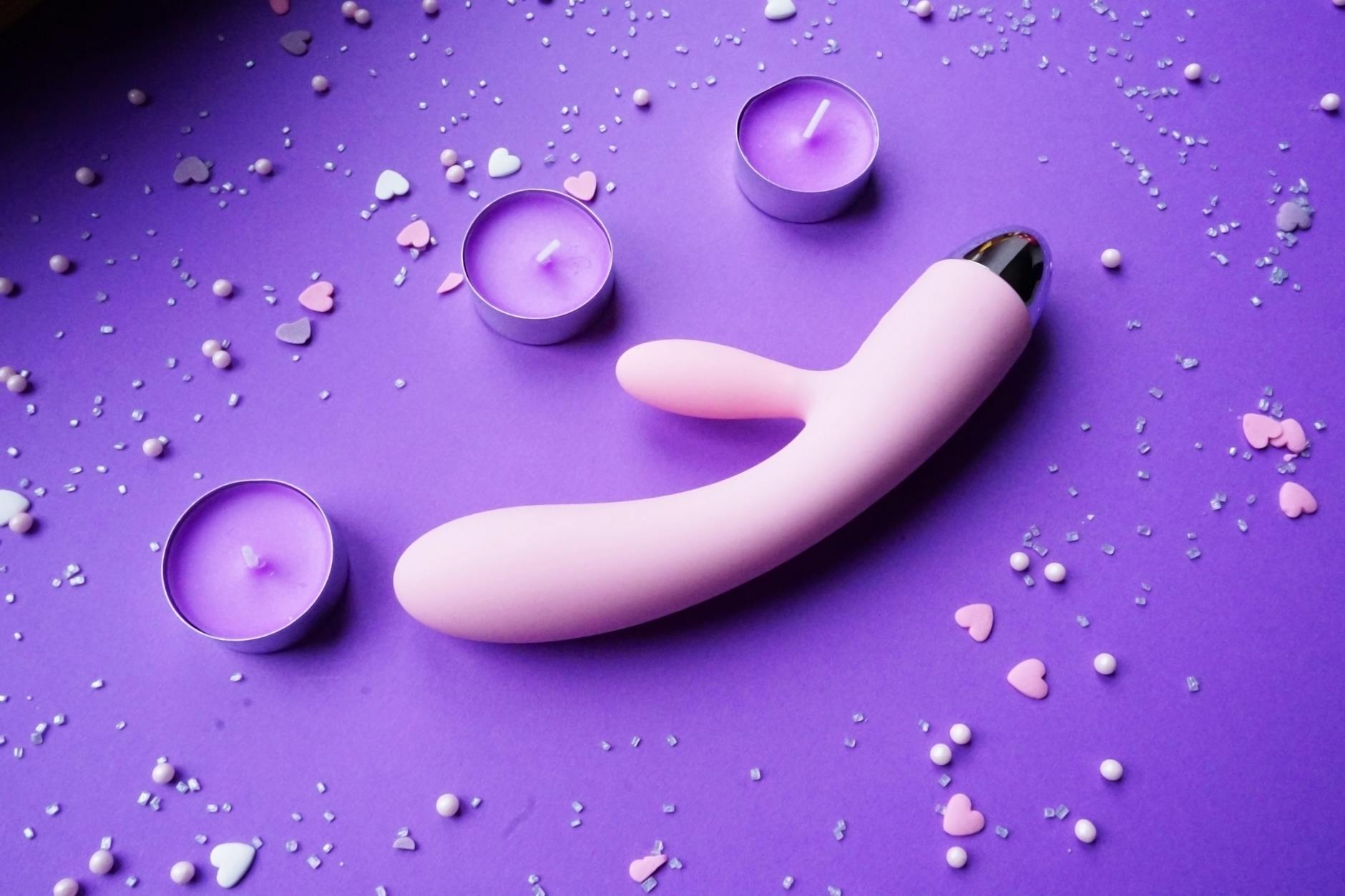
Let's talk about what surgery steals
Medical procedures take more than tissue. They take your sense of ownership over your own body. A hysterectomy, breast surgery, pelvic floor reconstruction, cancer treatment, endometriosis excision, or any invasive procedure rewires how you relate to touch, arousal, and your own desire. That's not just physical. It's psychological, and it's real.
Most recovery advice stops at "you're healed" and hands you back to your old life. Except your body isn't the same, your nervous system is in a different state, and the idea of pleasure might feel either muted or actively threatening. Here's where a lemon vibrator enters the picture. Not as a magic fix, but as a tool that acknowledges what surgery actually did to your relationship with your own pleasure.
Why surgery changes arousal and confidence
Three things happen post-surgery, and they're not the same thing:
Physical changes. Tissue alters. Nerve pathways shift. Scar tissue can change sensation or create pockets of numbness. If tissue was removed (like with a mastectomy or hysterectomy), your whole proprioceptive map of your body changes. Your brain doesn't recognize the territory it used to know.
Neurological changes. Your nervous system has been activated by pain, anesthesia, and the trauma of the procedure itself. You're in a heightened state of alert. Your vagus nerve, which regulates arousal and relaxation, is dysregulated. Touch that used to feel pleasurable might now trigger threat responses. This isn't trauma therapy talk. This is observable neurobiology.
Psychological overlay. Your mind has learned to associate your body with pain and medical invasion. Pleasure requires a certain cognitive state. Fear blocks it. Shame about the changed body blocks it. The internalized narrative that "I'm broken now" absolutely blocks it. Lemon clitoral vibrators work partly because they sidestep the cognitive trap and give your nervous system a new, safe experience to anchor on.
Why clitoral stimulation is the entry point
After surgery, many people report that penetration feels wrong, triggering, or simply uninteresting. The clitoris, though, is different. It has no reproductive function. It has no medical use. It's pure sensation. For people rebuilding arousal after surgery, clitoral stimulation often feels less "loaded" than other forms of touch because it lacks that baggage.
The Lem and other lemon vibrators work through suction and pulsation rather than direct vibration. This matters post-surgery because:
You control the intensity without increasing force. Traditional vibrators require you to press harder to change sensation. Suction-based vibrators let you adjust pattern and rhythm without changing mechanical pressure on healing or sensitive tissue.
Suction mimics a rhythm your body recognizes. Blood flow increases gradually. Arousal builds in a way that doesn't feel sudden or invasive. For nervous systems in recovery mode, gradual is crucial.
You can use it alone, which removes the performance pressure. Your partner isn't watching, waiting, or judging whether you "work." You're just relearning what pleasure feels like in your own timeline.
The confidence-building process, week by week
Week 1 to 2. Many people aren't ready to use a lemon vibrator this soon. That's fine. This phase is about touch that doesn't lead anywhere. A warm shower. Your hand on your own arm. Learning that some touch doesn't hurt and doesn't require anything from you.
Week 2 to 4. You try the Lem for the first time. You start on the lowest setting, pattern 1, for 2-3 minutes. You're not looking for an orgasm. You're looking for sensation. Your nervous system is learning that clitoral touch is safe and separate from the medical trauma. Most people report a surprising sense of relief just from this step. Your body still works. Something still feels good.
Week 4 to 8. Arousal starts building more easily. You experiment with different patterns. You might notice that some settings feel therapeutic, others feel more directly pleasurable. Your cognitive state shifts. Instead of "my body is broken," it becomes "my body is responding in a new way." That's not a small shift.
Week 8 onward. Orgasms may or may not return to what they were before. Many people report that orgasms after surgery feel different. Sometimes more intense, sometimes more subtle, sometimes in a totally different part of their body. But crucially, they're back. And the confidence that comes from that? That changes everything else in the relationship, too.
What partners need to understand
If you're supporting someone through post-surgery recovery, here's the thing: pleasure is not a couple's project right now. It's a solo project. Your job is to not make it harder. That means:
Don't ask for updates on their "progress." Let them tell you if they want to share. Pleasure under observation is a different thing entirely.
Don't interpret masturbation with a lemon vibrator as rejection. It's not. It's rebuilding. When they're ready to include you, they will.
Understand that their body changed, and that's okay. You don't have to pretend nothing happened. You also don't have to grieve the old version. You're learning a new body together, and that can be interesting if you let it be.
Many partners worry that a vibrator will replace them. The opposite is usually true. Someone who's rebuilt their own arousal and confidence is usually much more interested in partnered sex, not less. They're just not desperate for it in the way that desperation erodes actual pleasure.
The bigger picture
Lemon vibrators and other clitoral vibrators aren't a replacement for medical follow-up or therapy. If you're experiencing chronic pain during or after stimulation, see your doctor. If you're dealing with sexual trauma on top of surgical trauma, a sex-informed therapist is worth the investment. If your nervous system is stuck in dysregulation, somatic work or EMDR can help.
But alongside all of that, a tool that lets you safely reclaim sensation and pleasure on your own terms? That's not frivolous. That's functional. That's part of healing.
FAQ: Rebuilding pleasure after surgery
How long after surgery can I safely use a lemon vibrator?
That depends entirely on the surgery and your healing trajectory. A gynecological procedure might clear the way in 4 to 6 weeks. Breast surgery might take longer because the emotional weight is different. Ask your surgeon when external genital stimulation is safe, then give yourself another 2 weeks beyond that before introducing a vibrator. There's no rush. Your nervous system needs time to separate medical touch from pleasurable touch.
Will using a vibrator speed up my recovery?
Not in the physical sense. But yes in the psychological sense. Studies on sexual function post-surgery show that people who resume sexual activity (solo or partnered) earlier tend to have fewer ongoing issues with arousal and confidence. A lemon vibrator helps you resume that activity without pressure or pain. That psychological reset is part of recovery.
What if I still feel numbness in the area where surgery happened?
Numbness often improves over months. In the meantime, a clitoral vibrator focuses on tissue that may not have been directly affected by surgery. You're not trying to wake up numb tissue. You're reminding yourself that sensation and pleasure are still available to you elsewhere on your body. That matters for morale and confidence.
Can my partner use a lemon vibrator on me, or should it only be solo?
That depends on your emotional readiness and your partner's understanding of what you need. Some people find partnered use threatening at first. Others find it affirming. Start solo. When you're ready, have a clear conversation with your partner about what you want and what triggers you. The vibrator is a tool. The conversation is what makes it safe.
What if I achieve orgasm with the vibrator but can't with my partner?
That's common and not a problem. Partnered arousal and solo arousal use different neural pathways. You're not broken if one works and the other doesn't right away. Keep exploring solo. Keep exploring with your partner separately. Pleasure isn't a package deal. It's a skill you rebuild in pieces.
Should I tell my partner I'm using a vibrator during recovery?
Yes. Secrecy creates distance right when you need closeness most. What you don't have to do is invite commentary or make it a joint project. "I'm using the Lem to help rebuild my confidence" is a complete sentence. A good partner will say "that makes sense" and then trust your process. If they have feelings about it, that's a conversation for another time.
You're not broken. You're rebuilding.
Surgery interrupts your story. A lemon vibrator doesn't fix that interruption, but it does let you write the next chapter on your own terms. Your body is still capable of pleasure. Your nervous system is still learning what safety feels like. And pleasure, when it comes back, will be yours in a way it might not have been before.