Let's talk about the arousal that goes missing
After a major life rupture—surgery, loss, betrayal, grief—your body sometimes just stops. Not because you're broken. Because you're protecting yourself. Arousal is a trust response. When the foundation shifts, arousal goes quiet.
I've worked with hundreds of people rebuilding from these moments. The pattern is always the same: they expect to flip a switch and feel desire again. They can't. Then they panic that they never will. Here's what actually happens physiologically, and what changes it.
Why arousal disappears after trauma and major disruption
Arousal isn't just a feeling. It's a chain of decisions your nervous system makes about whether you're safe enough to open yourself to sensation. After surgery, your brain registers that your body has been invaded. After grief, it's managing survival mode. After betrayal, it's scanning for threats.
Your clitoris is still there. Your nerve endings are still there. Your brain's pleasure centers are still there. What's missing is the signal that says "it's okay to want this."
This is actually a feature, not a bug. Your nervous system is being protective. But protection has an expiration date. You rebuild arousal by slowly, consistently sending the message that sensation is safe again.
Why lemon clitoral vibrators are different for rebuilding
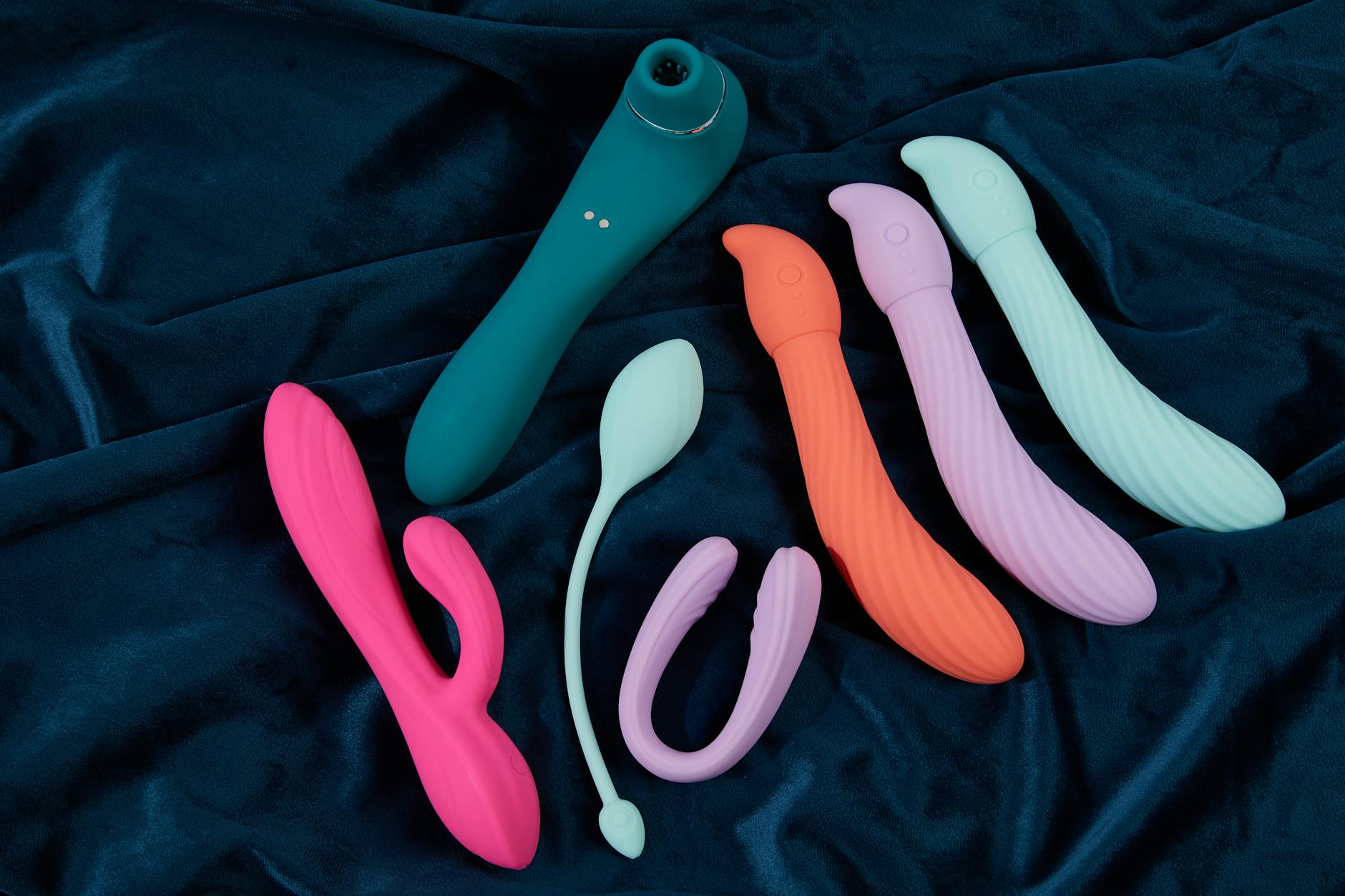
Most vibrators ask your body to respond to pressure and frequency. Lemon vibrators, specifically the suction-based lemon clitoral vibrator designs, work differently. Instead of vibration layered on top of pressure, they create a gentle pulling sensation that's more about teasing the tissue than stimulating it.
This matters for rebuilding because:
1. Lower threat response. Your nervous system isn't registering "penetration" or "intense stimulation." It's registering "gentle sensation." That's a smaller leap from zero.
2. Sensation without judgment. With a lemon sucker vibrator, you're not chasing an orgasm. You're just noticing what feels like anything at all. Half the people I work with in rebuilding mode don't orgasm for weeks or months. That's fine. Sensation comes first. Pleasure comes second. Orgasm comes third.
3. Control stays with you. Suction vibrators like the Lem don't override your body's signals. You control the pressure, the rhythm, the intensity. Your body isn't being done to. You're doing the choosing.
The three-phase rebuild that actually works
I'm going to walk you through this because rushing it is the main reason people give up.
Phase 1: Sensation without pressure (weeks 1-3). This is where lemon clitoral vibrators shine. You're using them at the lowest setting, for 5-10 minutes, with zero expectation of arousal or orgasm. You're not even trying. You're just noticing. Does it feel warm? Does it tickle? Does it create a gentle pressure? Most people in rebuild mode report that sensation alone feels like a small miracle. Write down what you notice. This isn't overly precious. It's data. Your body is telling you when you're waking up.
Phase 2: Arousal without partner presence (weeks 4-8). Now you're increasing the time to 15-20 minutes and moving up to pattern 2 or 3 on the lemon vibrator. You might start to notice that something feels different between your legs. Blood flow. Warmth. A vague sense of "something might happen here." This is arousal rebuilding. It's subtle. It's quiet. It's exactly what you want. Many people don't tell their partner they're doing this. That's fine. This phase is for you to remember what your body can feel.
Phase 3: Integration (weeks 8+). This is when you might tell a partner, or you might just notice that arousal is sticking around longer. The lemon vibrator becomes a normal part of your week. Not a fix. Just a tool that reminds your nervous system that pleasure is possible again.
Why this is harder with a partner, and how to make it work
Here's the friction: your partner wants you to feel good. So they rush phase 1 and 2. They offer help, presence, encouragement. And your nervous system reads this as pressure.
The rebuild works best in solitude, at least initially. This isn't rejection of your partner. This is your body needing to trust itself before it trusts anyone else.
If you have a partner:
- Tell them you're rebuilding arousal, and it takes time.
- Tell them you're using a tool (the lemon vibrator) that helps.
- Tell them you need 3-4 weeks of solo exploration before any partnered attempt.
- Don't invite them in until Phase 3. Your nervous system needs to establish safety with yourself first.
Most partners respond well to clarity. They don't respond well to mystery. Say: "I'm working on feeling sexual pleasure again. It's a solo process for now. I'll let you know when I'm ready to include you." Then actually do that.
What rebuilding feels like emotionally
It's not linear. Some weeks you'll feel arousal building, and then a memory will surface and you'll be back to square one. This isn't failure. This is processing.
Your body is very wise. When it shuts down arousal, it's doing that to protect you. When it opens back up, it's doing that because it's gathered evidence that you're safe. Trust that.
I've had clients tell me that the first time they felt arousal return, weeks into using a lemon vibrator, they cried. Not from orgasm. From relief. That's the real work.
When to bring in professional support
If you're rebuilding after sexual assault, a trauma-informed therapist is not optional. A lemon vibrator isn't therapy. It's a tool that works alongside therapy.
If you're rebuilding after surgery and you're experiencing pain, see your surgeon or a pelvic floor specialist. Pain isn't part of rebuilding. Pain is a signal that something else needs attention.
If you've been in rebuild phase for six months and arousal hasn't budged at all, talk to a doctor. Sometimes hormonal changes, medications, or other health factors are the real blockers.
But if you're just starting the journey of asking your body "can we feel pleasure again," a lemon clitoral vibrator is a genuinely smart place to start. It's gentle enough for nervous systems that have been traumatized. It's effective enough for bodies that have forgotten what sensation feels like. And it puts you in control.
Your arousal will come back. It might look different than it did before. You might have new boundaries, new preferences, new rhythms. That's not loss. That's evolution. The lemon sucker vibrators from Hello Nancy are built for exactly this kind of slow, gentle return to pleasure.
People also ask
How long does it actually take to rebuild arousal after a major life event?
There's no universal timeline. I've worked with people who felt noticeable arousal shifts within four weeks, and others who needed four months. The rebuilding phases I outlined are general guides, not rules. Your nervous system gets to set the pace. What matters is consistency, not speed. Using a lemon clitoral vibrator twice a week for eight weeks will shift your arousal faster than using it intensely once and then giving up.
Can I rebuild arousal if I'm not in a relationship?
Actually, solo rebuilding is often easier. You're not managing anyone else's expectations or needs. You're just exploring what your body can feel. Many people find that solo rebuilding with a lemon vibrator creates a foundation of self-trust that makes partnered sex more enjoyable later, if they choose to have it. There's no obligation to rebuild toward a relationship. Rebuilding toward your own pleasure is enough.
What if I feel guilty using a vibrator after trauma or loss?
Gilt is common. It often sounds like "I don't deserve this" or "this feels selfish" or "what would people think." Here's the thing: rebuilding your arousal is not selfish. It's reclaiming a fundamental part of yourself that was taken or lost. Your body deserves sensation. You deserve pleasure. A lemon vibrator is a tool for that reclamation. If guilt is overwhelming, a therapist can help you work through why you feel you don't deserve this. You do.
Is a lemon clitoral vibrator better than other types for this work?
For rebuilding specifically, suction-based vibrators like the Lem work really well because they don't require the same level of nervous system activation that traditional vibrators do. But "better" depends on your body. Some people respond better to pattern vibration. Some prefer external massage. The key is finding something that feels like exploration, not pressure. Start with something gentle. The lemon clitoral vibrator is gentle. That matters here.
What if my partner doesn't understand why I need to do this alone?
Tell them directly: "I'm rebuilding a sense of safety in my body. That's a solo process. When I'm ready to include you, I will. Until then, my asking for privacy isn't a rejection of you. It's care for myself." Most resistance comes from partners not understanding the why. Explain the nervous system piece. Explain that arousal is a trust response and you're rebuilding trust with yourself first. If your partner still doesn't understand after you've explained, that's a different conversation about partnership and respect.
Can I use a lemon vibrator while I'm also in therapy for trauma?
Yes. In fact, many therapists who specialize in sexual trauma recommend gentle exploration tools like vibrators alongside therapy. They work on different levels. Therapy helps your mind process what happened. A vibrator helps your body remember what pleasure feels like. They're complementary. Just be honest with your therapist about what you're doing. They can help you integrate it into your healing.
You're building something real
Rebuilding arousal after major disruption isn't just about getting your sex life back. It's about proving to your nervous system that you're safe. That sensation is possible. That your body can feel good again. A lemon clitoral vibrator is a gentle, effective tool for that conversation with yourself.
Start slow. Be patient. Trust the process. Your arousal is waiting on the other side of this work.
If you want support navigating intimacy rebuilding after major life shifts, we're here. Reach out to Hello Nancy.